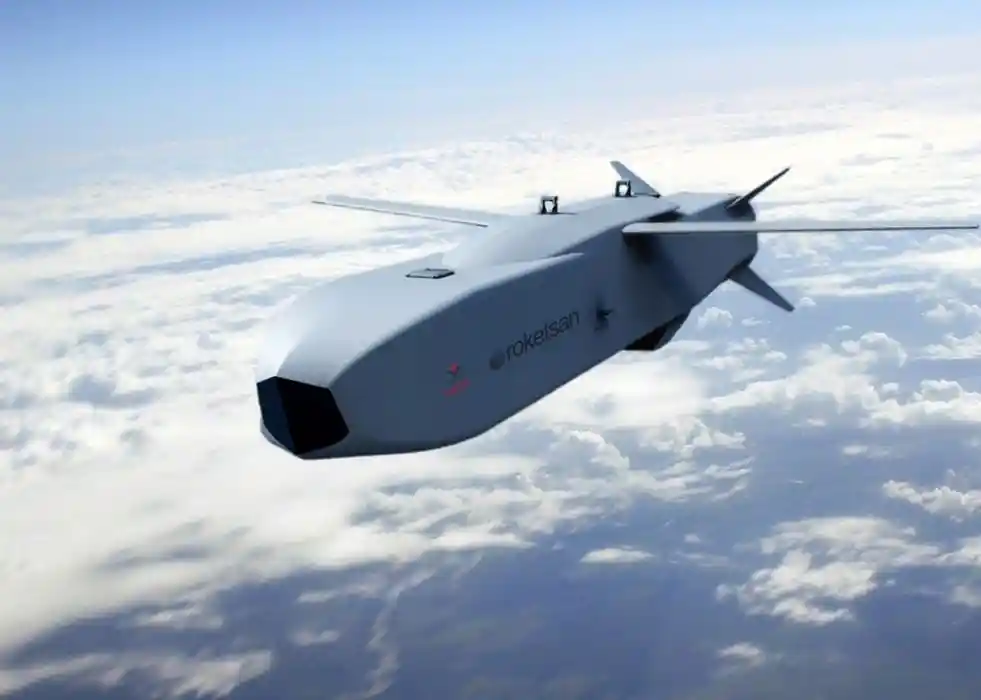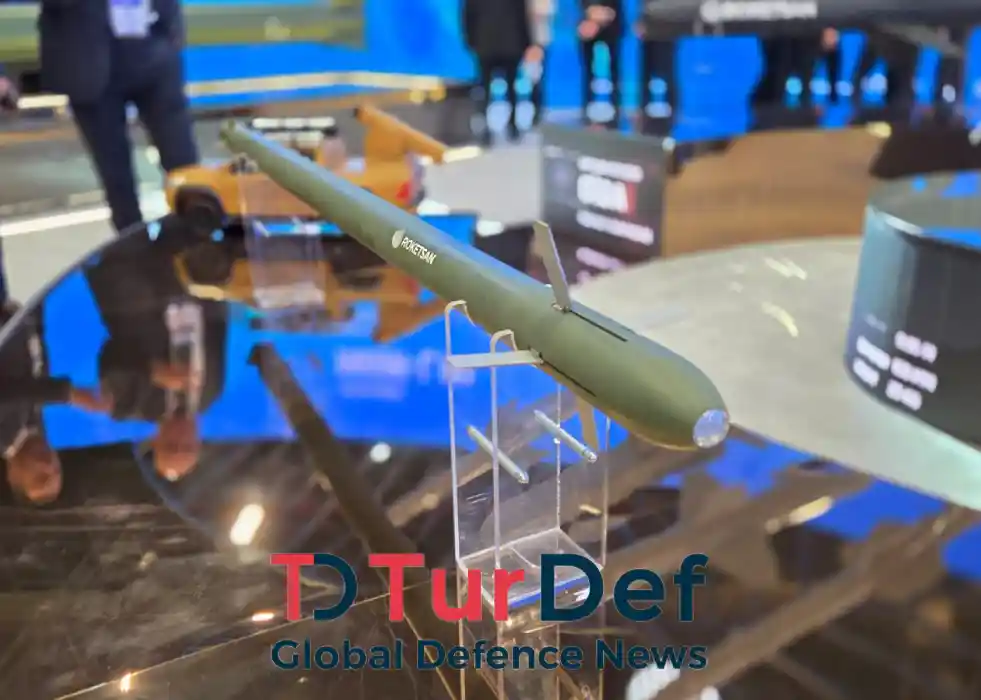
ROKETSAN unveiled its new missile against asymmetric low altitude threats as CİRİT C-UAS variant with a set of modifications aimed at air target engagement.
The new variant of ROKETSAN’s long-standing CİRİT laser-guided missile, CİRİT C-UAS, unveiled at SAHA EXPO 2026, is a low-cost addition to the firm’s air defence wing.
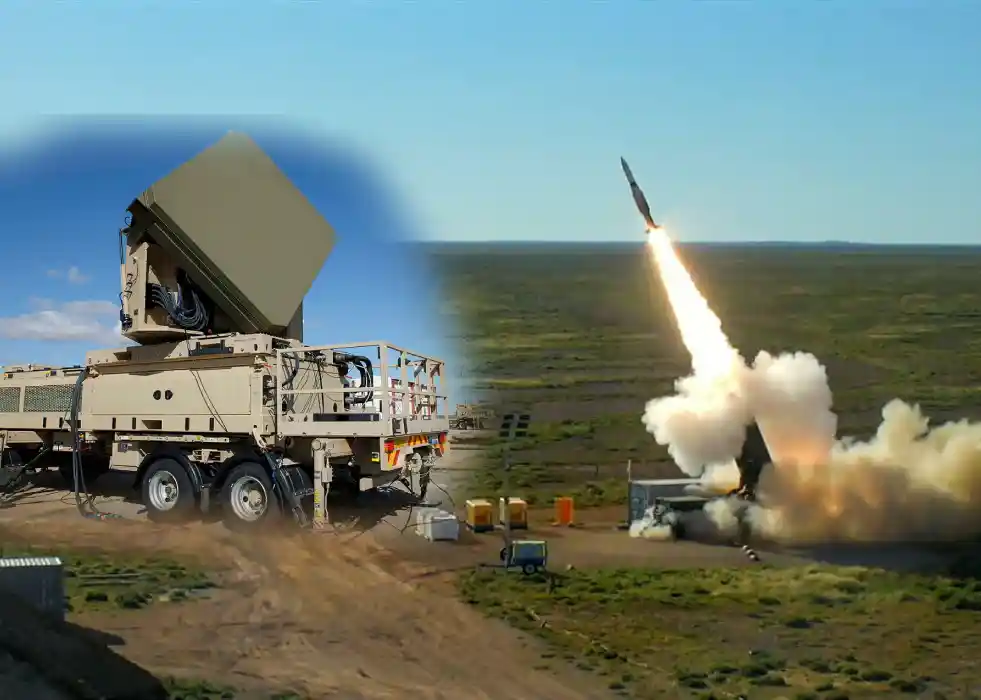
The missile available to the PUSU-C weapon system is mounted on 4x4 pickups with Echodyne’s Echoshield metamaterial radars, and an EO/IR system has a range of five kilometres against low-flying air targets like Class 3 UAV types.
While CİRİT C-UAS looks identical to CİRİT, the internal workings of the new missile can be described as different.
TurDef learned from ROKETSAN, after the inquiries on what changes have been made, that CİRİT C-UAS features an RF proximity fuse for an increased chance of kill as well as a different flight control algorithm that is better suited to engage air targets compared to that of a typical laser-guided rocket or the baseline CİRİT.
Whereas SUNGUR MANPADS with an IIR seeker will work at ranges up to eight kilometres against full-sized aircraft and -if needed- UAVs; CİRİT C-UAS will be the main solution for the latter from now on.
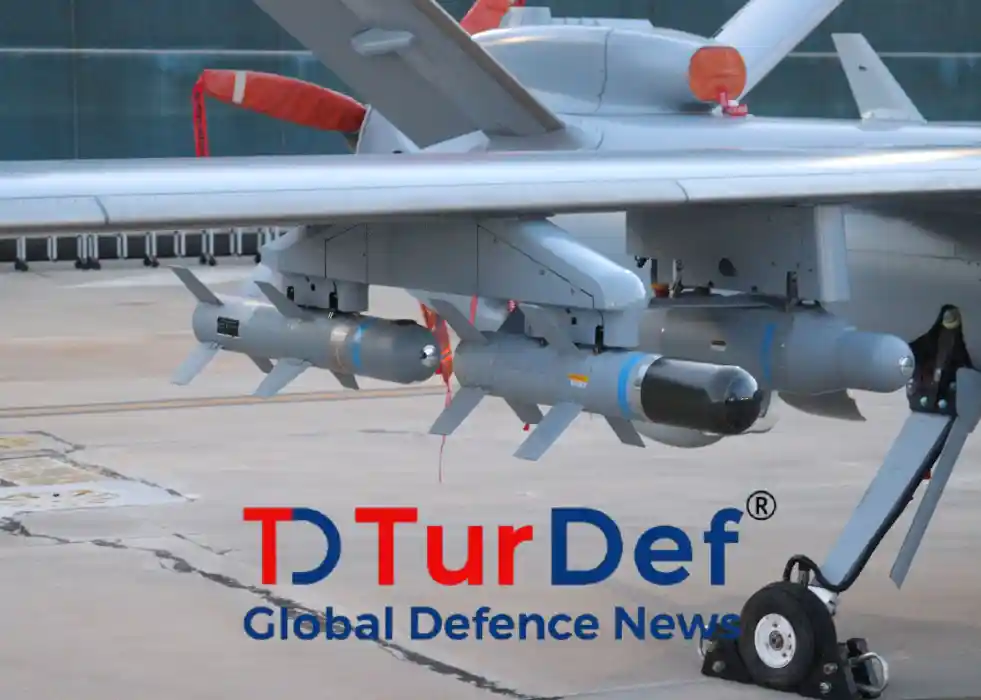
While CİRİT C-UAS has been presented on PUSU-C, it is more than likely that the missile can be used from the KMC launchers in service and potentially aircraft (T129 ATAK, HÜRKUŞ-C, AH-1W...). In the former’s case, CİRİT C-UAS can provide a protective edge to KAPLAN STA or other platforms like USVs fitted with the KMC missile launcher. In contrast, UMTAS or the recently shown CİDA missile works as the offensive option depending on the operational environment.
Author: Kaan Azman
Editor:Özgür Ekşi