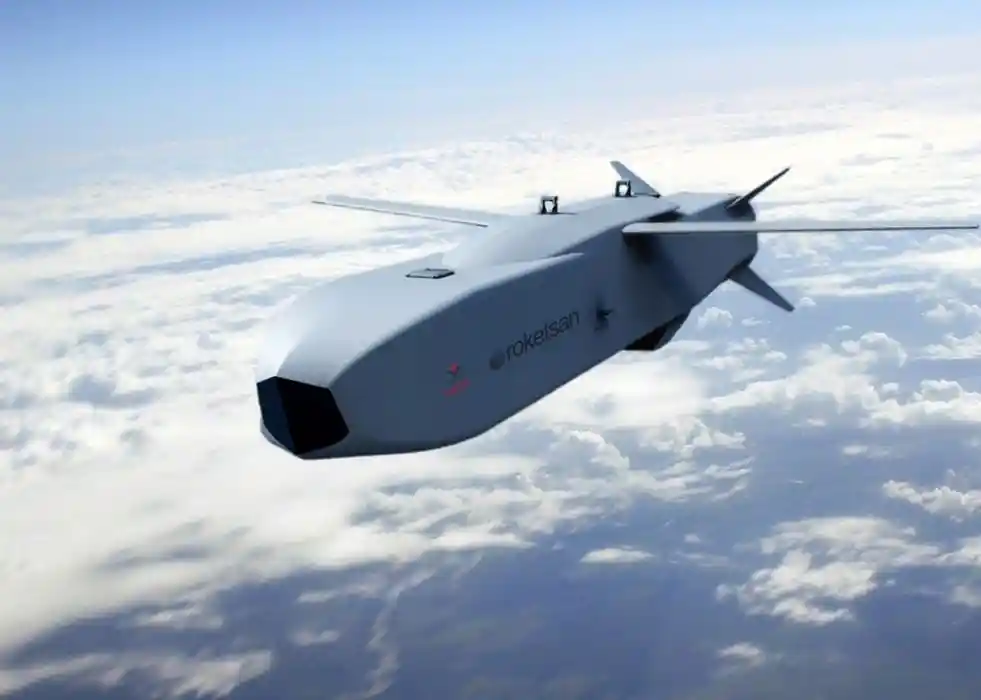
As UAVs become eminent players in combat zones, laser-guided munitions like Roketsan’s Cirit may offer Turkiye a scalable solution for counter-UAS missions.
Once a novelty in civilian life, drones have become indispensable on the battlefield. Initially sourced off-the-shelf, these systems are now low-cost, tailored solutions serving diverse tactical purposes.
UAVs were traditionally used for reconnaissance and, occasionally, for opportunity strikes. Turkiye’s operations in Libya and Syria and Azerbaijan’s experience in the Second Karabakh War demonstrated how remote-controlled systems can block supply lines and impair enemy manoeuvres. Yet, the Ukraine War marked a true turning point for smaller drones.
From Tactical Scouts to FPV Threats
Lightweight drones initially served for reconnaissance and fire adjustment. Gradually, they evolved into FPV (first-person view) drones built with commercial frames and motors. Conversely, Russia sent Geran-1 and Geran-2, its Russian equivalents, as well as Shahed-131 and 136 drones. Though inexpensive, these drones did quite great harm.
The expense of intercepting them strained defenders’ sustainability, sparking an ongoing search for viable countermeasures.
There remains no definitive solution for small drones offering strong asymmetric advantages. Both attackers and defenders now rely on shotguns, speciality infantry ammunition, and jammers. Recent footage has revealed increased use of passive frequency detectors to geolocate drone operators and destroy their units. Russia has also begun covering key supply routes with nets to prevent FPV drone attacks.
The Shahed-Geran Interception Challenge
Intercepting heavier drones like Shahed-Geran models is even more challenging and expensive. Ukraine’s use of limited surface-to-air missiles against these drones is unsustainable, especially since manned jets and attack helicopters still pose threats. Such high-value platforms are harder to counter with simple cannon fire.
One key asset is the Gepard air defence system, whose programmable 35mm rounds have proven effective and satisfying for Ukrainian forces. However, the limited number of systems leaves gaps in wide operational areas. Occasionally, helicopter fire takes out low-speed threats, but this approach poses a high risk to Ukraine’s scarce aircrews and platforms.
U.S. Counter-Drone Innovation: APKWS
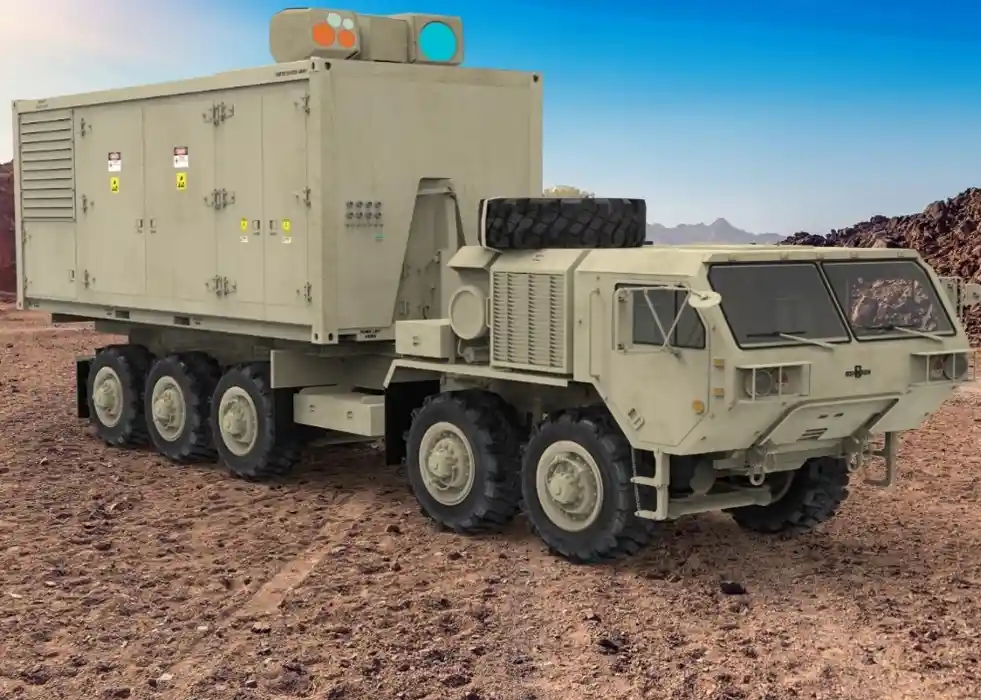
The U.S. has long recognised the emerging threat of slow, loitering munitions and is leading the search for affordable, sustainable solutions. Though laser-based weapons have been investigated, their use is restricted because of engagement time, size, and system maturity.
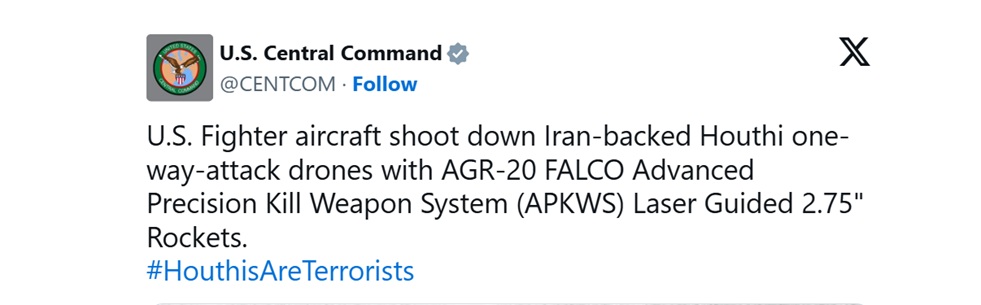
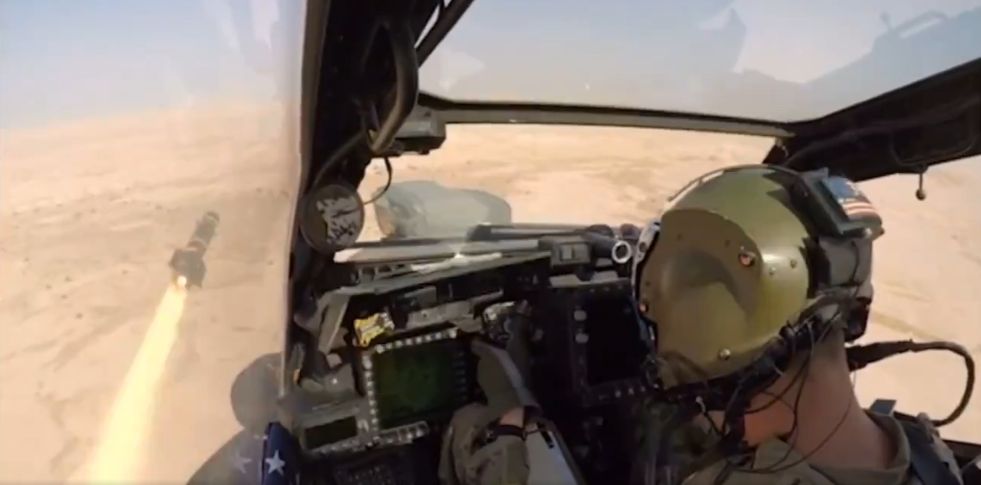
Rather, the U.S. Army has adopted the APKWS—a laser-guided variant of the 2.75-inch Hydra rocket with the WGU-59/B guidance system. Known as the AGR-20 in the U.S. Air Force, APKWS can be transported in huge numbers, deployed quickly, and precisely hit moving targets.
Its ease of integration, ability to use external laser designators, and low cost make it a valuable tool in counter-drone warfare.
Combat-Proven: APKWS in Action
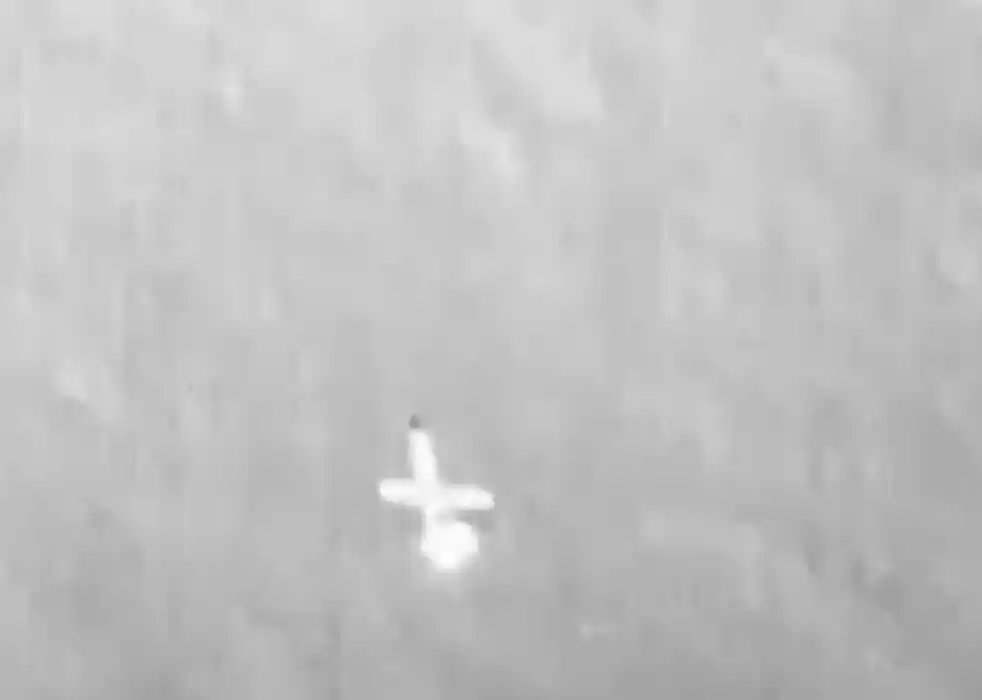
APKWS has proven itself in real-world operations. U.S. soldiers in the Persian Gulf intercepted hostile drones with APKWS bombs fired from F-16 Fighting Falcons and MH-60 Seahawk helicopters. This was one of the first confirmed applications of 2.75-inch laser-guided missiles in an air-launched counter-UAS operation.
It confirmed that relatively inexpensive, lightweight rockets could intercept drones at short-to-medium range—if launched from agile platforms.
CİRİT: Turkiye’s Indigenous Alternative
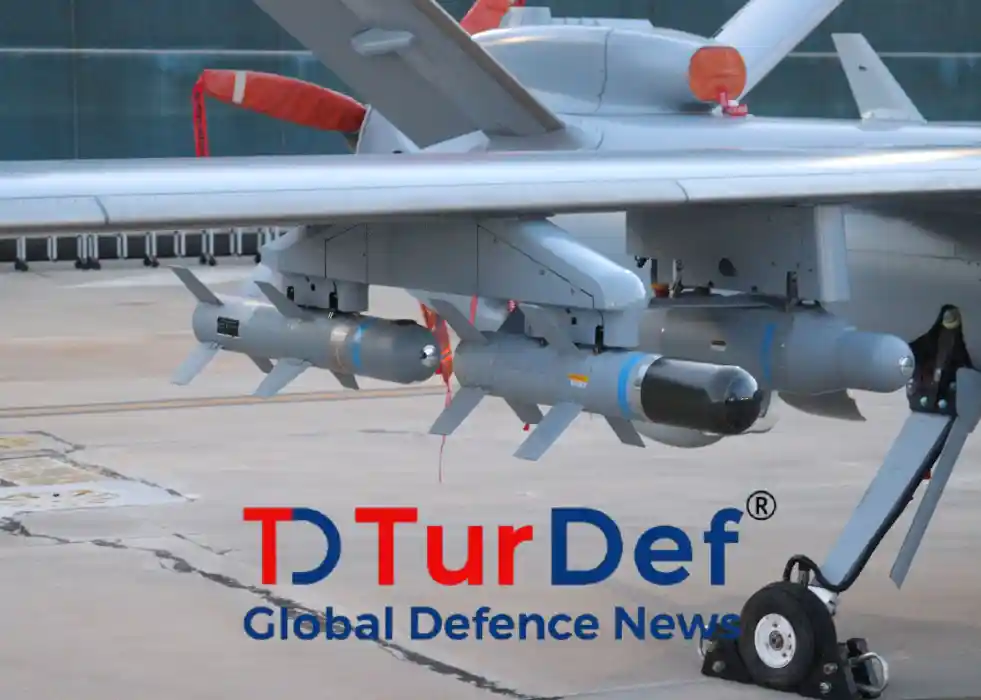
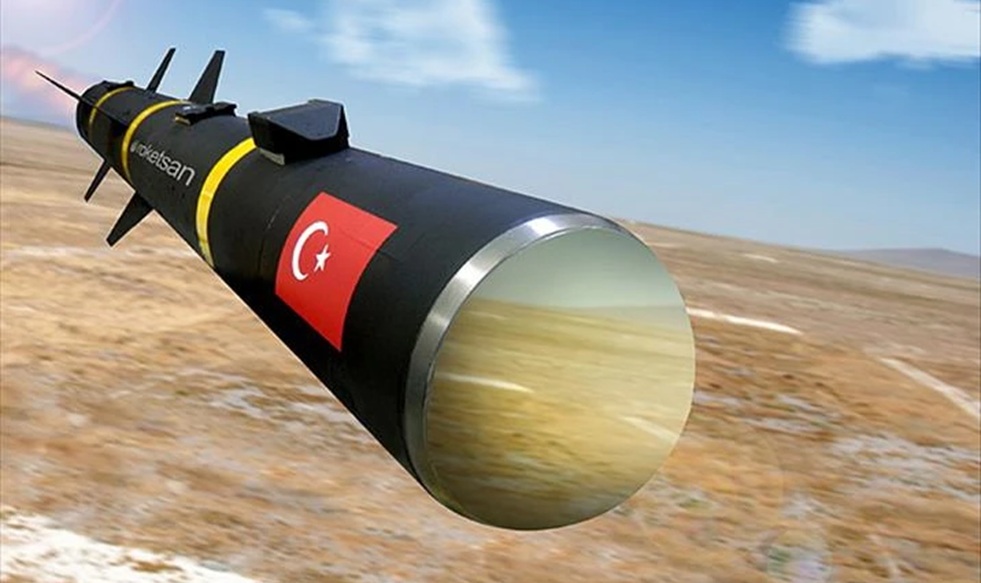
Roketsan’s CİRİT missile, while unrelated to Hydra or APKWS, shares key attributes: 2.75-inch calibre and laser guidance. Though not as cheap as APKWS, it offers greater accuracy and hit probability. Its serial production status also reduces the cost disadvantage.
CİRİT was originally developed for attack helicopters but has since been integrated into ground vehicles and modular launchers, including pickup trucks. It has an 8 km range, semi-active laser seeker, and multiple warhead options (high-explosive, anti-personnel).

Bayraktar TB2 and the Guided Rocket Vision
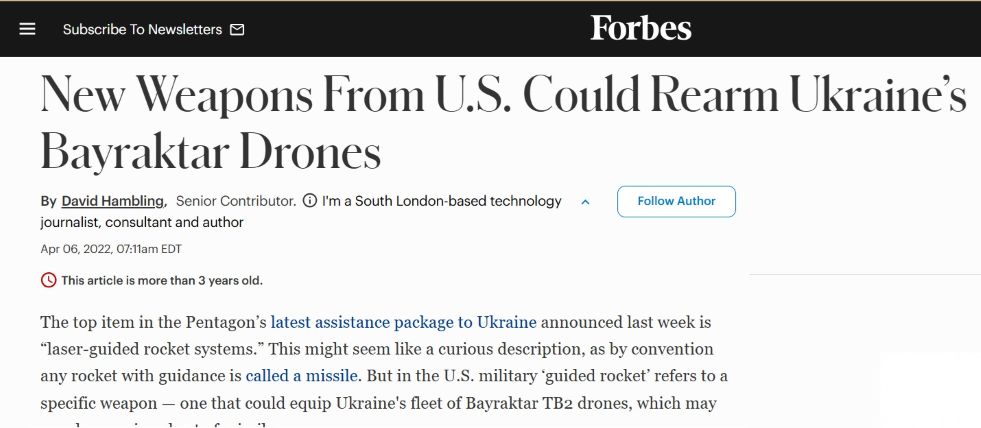
In 2022, Forbes floated the idea of arming Ukraine’s TB2 drones with lightweight, laser-guided APKWS rockets to increase operational flexibility. Although not realised, the concept signalled a shift: using tactical UAVs to intercept fast, mobile, and airborne threats. CİRİT has not yet been officially integrated into TB2s, but live-fire tests with ANKA UAVs date back to 2024. Given their payload capacity and sensor-guidance synergy, both UAVs are viable platforms for CİRİT.
If integrated, CİRİT would transform these UAVs into precise, cost-effective anti-drone systems capable of neutralising slow and loitering targets.
A Strategic Edge for Turkiye
Turkiye has long produced its own 2.75-inch FFAR rockets and possesses relevant guidance technologies. A domestic guidance kit for FFARs could be rapidly developed, using components from CİRİT to cut costs and R&D time. CİRİT, a more advanced and guided solution, is already in use and mass production.
This new concept offers significant potential for Turkiye. Leveraging its UAV momentum, Turkiye could protect itself from similar threats and become a dominant player in the drone countermeasure market.
As drone warfare becomes more layered and multidirectional, weaponising drones for C-UAS missions using lightweight guided rockets may become a critical enabler. Turkiye is well suited to investigate such possibilities given its seasoned drone fleet and local missile manufacture. When combined with TB2 or ANKA, the CİRİT missile might offer a NATO-compatible, low-cost and flexible answer to one of today’s most urgent tactical issues: fighting drones with drones.
Author: Özgür Ekşi