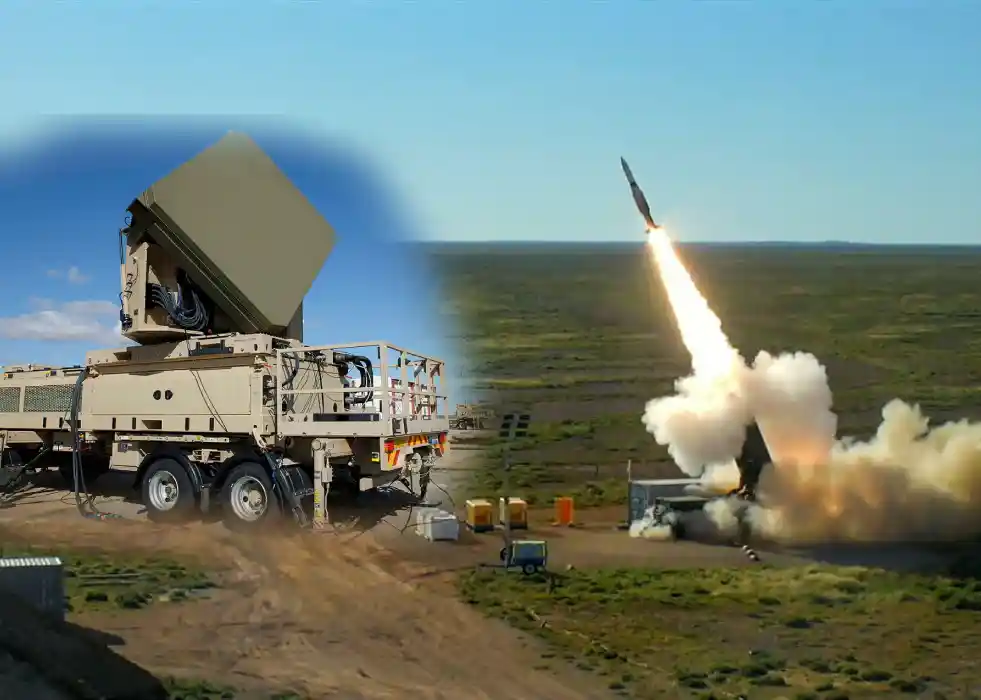
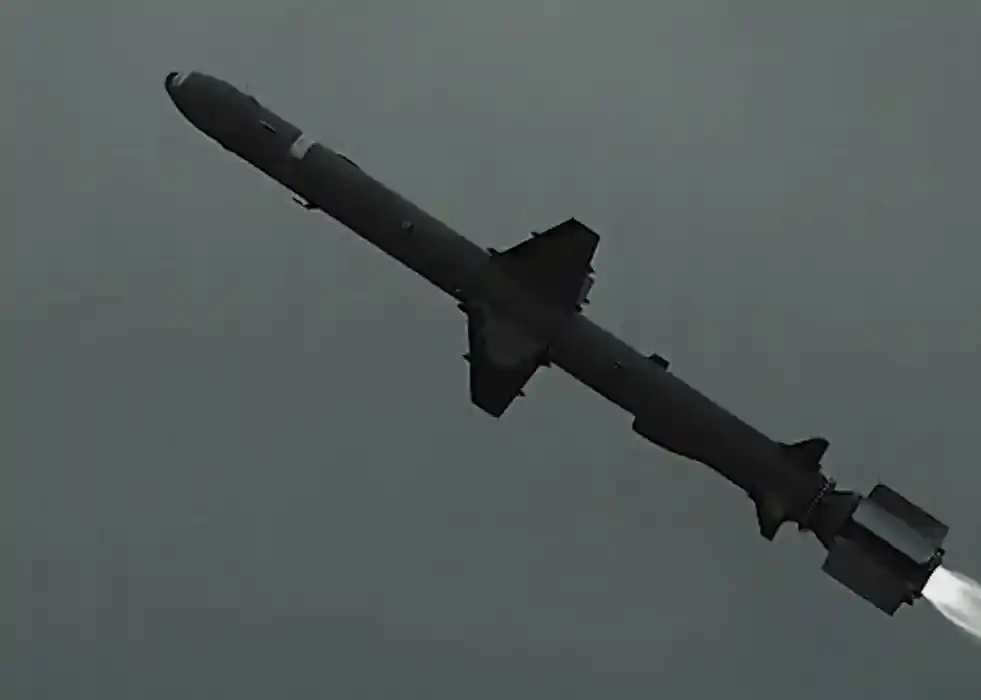
The UK MoD announced its plans for the Nightfall ballistic missile to be used on existing M270 MLRS as a low-cost alternative to the upcoming PrSM missiles.
In a surprising move, the UK MoD has launched a programme for the development of an indigenous ballistic missile, as a low-cost alternative to the PrSM SRBM from the US which will be available to the existing M270 MLRS (Four missiles per M270).
The notice published by the MoD lays out a good portion of the requirements for the ballistic missile, as well as serves as a call to the local industry to provide support in the development/production of various components.
Firstly, the range requirement is given as more than 600 km, defined as “tactical” by the MoD despite falling within the SRBM regime. On the other hand, the warhead weight is described as around 300 kg, which is only slightly heavier than the MGM-140 ATACMS unitary warhead.
For the guidance part, things are mostly vague, but operation in GNSS degradation/denial and a 50% chance of hitting a target with <5 m CEP (CEP50) is clearly stated.
Other requirements are low signature, multi-carriage (>2 missiles per vehicle), and rapid pre-launch/post-launch processes for mobility.
All of these requirements are to be satisfied for less than $675,000 per unit, with the exclusion of warhead and at least 10 missiles/month manufacturing capability.
The notice demands a rather quick early development time, ranging between 9-12 months and expects five test missiles by the end of the deadline.
The price tag requirement and technical specifications given raise doubts in terms of achievability, as having a this kind of range and multi-carriage do not exactly get along, even though payload weight is considered tame. To manage the carriage challenge, folding fins are likely to be utilised. On the other hand, propellant to provide the needed range and measures against GNSS interference are bound to drive up the costs.
This means the MoD might have to soften some requirements, which is more likely to be the cost.
Author: Kaan Azman
Editor:Özgür Ekşi