Testing its sea-based hypersonic missile under a cold-gas launch system at Cape Canaveral Space Force Station, the U.S. Navy has progressed towards Zumwalt-class integration.
The U.S. Navy has completed an end-to-end flight test of a hypersonic missile using its advanced cold-gas launch technology, the U.S. Department of Defence said. Conducted at Cape Canaveral Space Force Station in Florida, the test represents a major advance in the Navy's effort to deploy sea-based hypersonic missiles, including integration onboard the USS Zumwalt warship.

Cold-Gas Launch System Shows Viability
This was the Navy's Conventional Prompt Strike (CPS) missile system's first launch with a cold-gas ejection mechanism. The method guarantees a safe distance from the launch platform by releasing the missile from the vessel before igniting the first-stage rocket. This approach is vital for naval deployment, particularly on surface ships where deck safety is top concern.
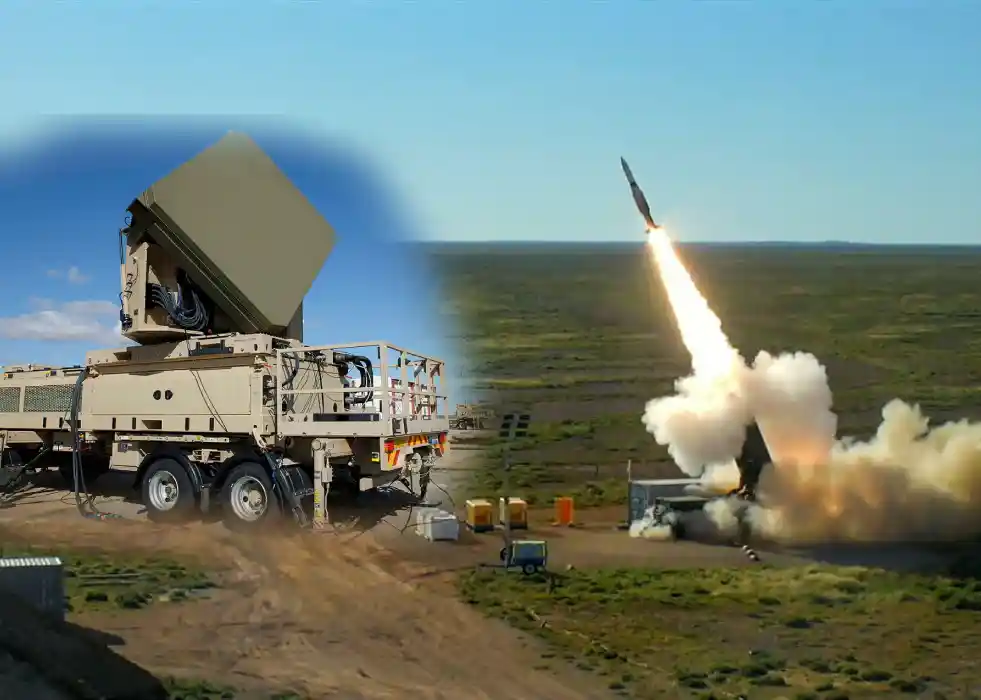
The test confirmed the CPS system's capacity to carry out a complete operational sequence from a ship-compatible launch. Though run on land, the testing imitated circumstances for potential ocean deployment.
Army Joint Development
A cooperative project of the U.S. Navy and the U.S. Army, the CPS programme aims at fielding a common hypersonic missile system. The CPS hypersonic weapon system, which comprises the All Up Round (AUR) missile—a full, integrated warhead and propulsion package meant for fast reaction and precise strikes—is primarily contracted by Lockheed Martin.
The Navy's most recent flight follows two successful end-to-end tests finished in 2024 that set baseline performance criteria for the AUR across both services. Enabling quick worldwide attack capabilities with conventional weapons, the CPS system is seen as a strategic deterrent.
Towards USS Zumwalt Deployment
Future plans call for putting the hypersonic missile launch system onboard the USS Zumwalt (DDG-1000), which the Navy has chosen as lead ship for CPS deployment. The ship is already undergoing modifications to accommodate the more advanced launch technology and larger missile canisters.
Launching hypersonic missiles from the water supports the Pentagon's strategic deterrent posture against peer competitors including China and Russia by increasing mobility, survivability, and global reach. The CPS project is part of the bigger U.S. effort to retain supremacy in next-generation long-range precision strike capabilities.
Author: Özgür Ekşi