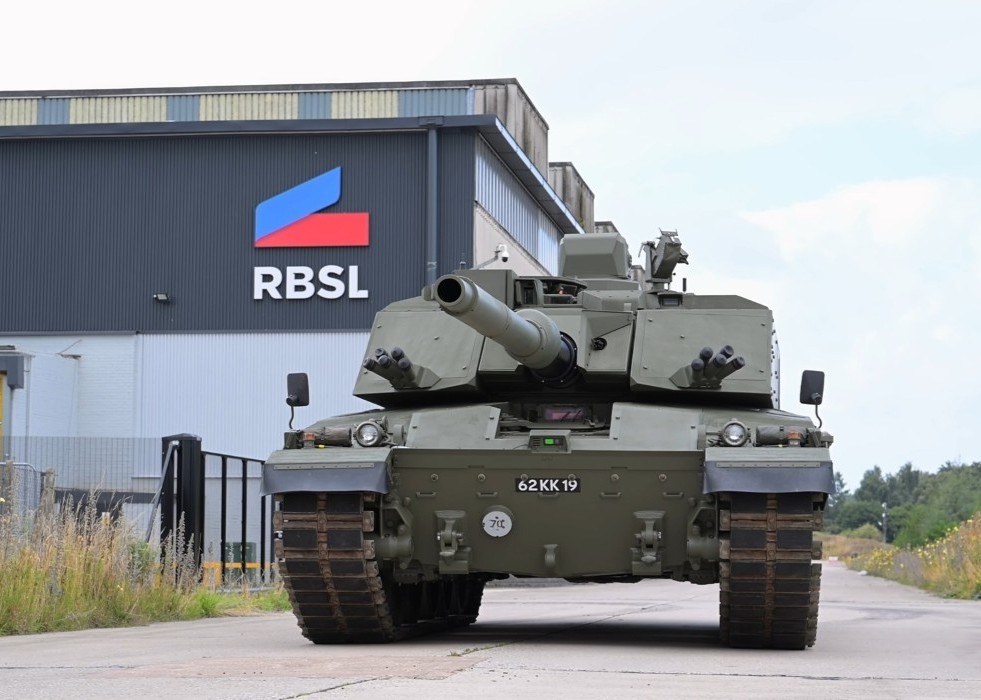
The UK has opted to slow down its most major armoured modernisation endeavour, opting for caution over speed in the Challenger 3 main battle tank programme. The Ministry of Defence maintains that serial manufacturing would only start if continuing tests have thoroughly confirmed the tank's capability, rather than sticking to a set production schedule.
The decision, confirmed in late December, marks a clear shift in tone. Instead of pushing the programme forward to meet an artificial deadline, officials are placing greater weight on test results, system maturity and operational data before moving beyond the prototype stage.
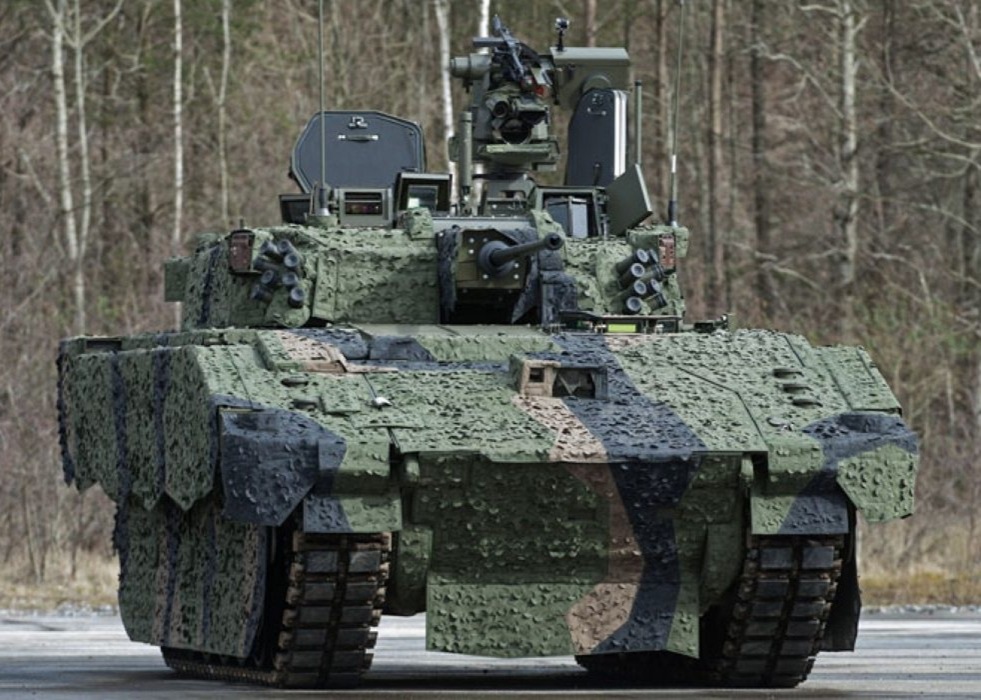
Behind this approach lies the recent experience of the Ajax armoured vehicle programme. Ajax, designed to provide reconnaissance and ISTAR capabilities at brigade level, has spent much of the past year in a renewed period of uncertainty as trials were paused and technical issues re-examined. For the British Army, it has become a costly reminder of what can happen when schedules outrun engineering reality.
Challenger 3 and Ajax were conceived to operate side by side within the same armoured brigades. In doctrinal terms, Ajax was meant to extend the brigade’s eyes and ears, while Challenger 3 would deliver the decisive firepower. In an increasingly networked battlespace, that relationship is critical. A modern tank can only succeed in network centric warfare. A tank without reliable sensor and targeting integration risks becomes isolated and more exposed than its Cold War predecessors.
On the other hand, the slowdown in the Challenger 3 programme might mean less as a setback and more as a recalibration. By pausing before full-rate production, the UK might be buying time to refine integration assumptions. This would avoid repeating Ajax’s missteps and ensure the tank enters service aligned with the wider brigade architecture it depends on.
The British Army's main concern is no longer how fast Challenger 3 can be delivered. Instead, they want to know if it will be ready to fight as part of a well-organised, networked force, not just as a quick repair for an incomplete system.