The United States Air Force is planning to keep its legacy B-52H Stratofortress bomber fleet flying long into the 2050s. Boeing is awarded a $2.04 billion contract to update the planes' engines after long test phase.
The Commercial Engine Replacement Program deal was announced on December 24. This program will replace the B-52H's old Pratt & Whitney (P&W) TF33 turbofan engines with new Rolls-Royce F130 powerplants.
As part of the first phase of the contract, Boeing will install, modify, and test the new engine setup on two B-52H planes. The work is expected to be done by 2033. People think that this stage is quite important for checking things before modernising the whole fleet.
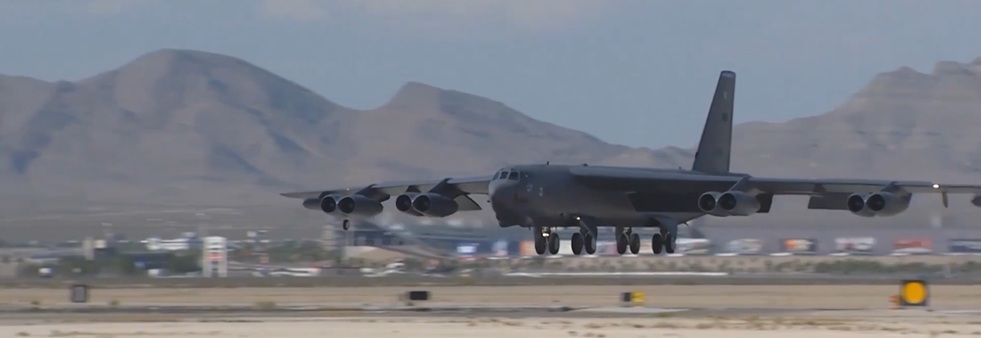
The new engine is intended to improve operations in a number of ways. Improved fuel efficiency will reduce operating costs while extending range and endurance, reinforcing the platform’s long-range strike role.
Increased electrical power generation will also support the integration of advanced avionics, sensors and next-generation weapons, while replacing increasingly difficult-to-maintain legacy engines should significantly improve reliability and availability.
To manage the complexity of the integration, Boeing and the United States Air Force are employing digital engineering methods, including a Virtual System Prototype environment. This approach allows performance, integration and risk assessments to be conducted in the digital domain before physical modifications begin.
Despite its age, the B-52H remains central to US strategic airpower, performing missions ranging from nuclear deterrence to conventional long-range precision strike. The re-engining programme is intended to ensure the bomber retains credible capability as part of the Air Force’s evolving force structure.
This modernisation effort should be seen not only as a technical life-extension programme, but also as part of the United States’ drive to enter a potential high-intensity conflict in a state of readiness. The rapid upgrade of existing platforms reflects a strategic preference for preserving deterrence and strike capacity without waiting for entirely new systems to mature.
In addition to new engines, each of the USAF's 76 B-52 bombers will get Raytheon's AN/APQ-188 active electronically scanned array radar, upgraded communications for both conventional and nuclear missions, new crew compartments, and enhanced avionics.
Author: Özgür Ekşi