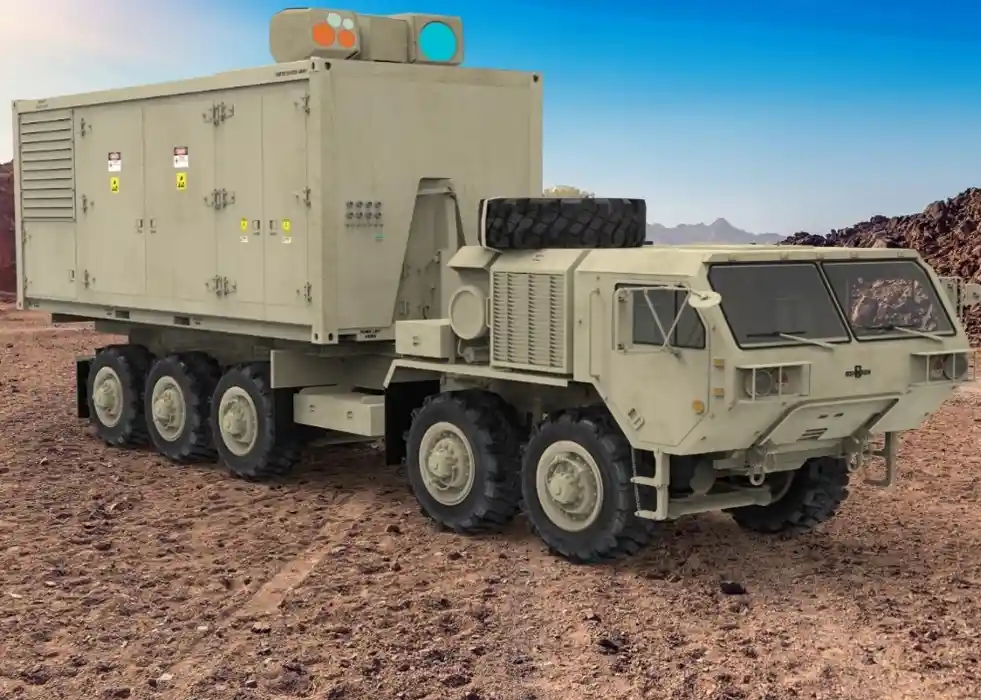
Israel plans to deploy the Iron Dome high-energy laser weapon system in 2025, marking the first military use of a high-energy laser weapon as an air defence system.
Some weapon systems create too much expectation but end up with too much disappointment and waste of time.
The two most known examples are the railgun, directed energy and, in short, laser. The U.S. Navy started working on railgun technology in the early 80s and stopped. The force started working on it ten years ago and put it on hold again until technological maturity. On the other hand, Turkiye, in earlier phases of the weapon, is known to continue on the matter, but no progress has been heard from the ASELSAN-TUBITAK SAGE cooperation. As TurDef pointed out recently, the BAE Systems declared the system’s success, reaching more than 100 nautical miles.
Another topic is that laser is once more on the waiting list. There are various laser applications for small objects, such as drones. The U.S. military has some 20 laser weapon systems at the laboratory stage, but they are not on active duty in the field. Turkish Roketsan’s Alya is one step ahead of them but not in service. On the other hand, the United Kingdom works on Dragonfire and expects to deploy it to the Royal Navy in 2027.
Israel, however, seems to solve the basic question about energy weapons. Rafael Advanced Defence Systems, company chairman Yuval Steinitz stated to reporters in December 2024 that they had solved the dilemma between laser weapons and the atmosphere. It is known that the air density makes them ineffective as it disperses their energy. Using more powerful energy sources does not solve the problem. Steinitz claims they found a way to bypass the atmosphere and keep the lasers strong.
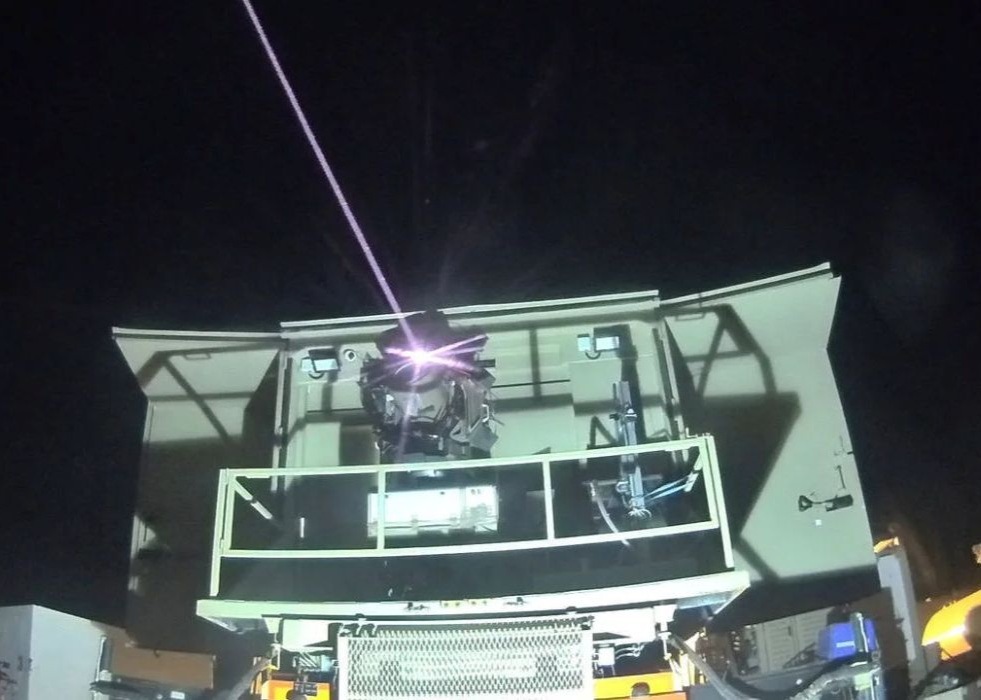
The solution is based on shooting hundreds of small, coin-sized beams rather than just one large beam. The small beams are not powerful enough to destroy a target by themselves, but they do not get dispersed in the atmosphere. The new Iron Beam technology refers to shooting as many small beams as possible to hit the target. When a beam hits the target, it stays locked, and others join simultaneously. The concentration makes the system efficient.