Kathimerini reveals that Israel and Greece jointly lobbied in Washington to prevent the acquisition of F-35 fighter jets to Turkiye over strategic concerns.

In its 23 April edition, the Greek newspaper Kathimerini confessed that Israel and Greece attempted to influence the United States to halt the potential sale of F-35 fighter jets to Turkiye. The report described ongoing efforts by both countries to lobby U.S. decision-makers and frame Turkiye’s re-inclusion into the F-35 programme as a threat to regional balance.
According to the newspaper, Israeli Prime Minister Benjamin Netanyahu raised the issue directly with U.S. President Donald Trump during a recent visit to the White House. It is not known when and how Netanyahu proposed to curtail arms sales to Turkiye, including the F-35s. The only scene from the meeting was when President Trump answered Netanyahu’s one request with a terse rebuke: “Be reasonable.”
The Greek daily wrote, “In response to Greek concerns on the matter, US references to earlier White House discussions with Israeli Prime Minister Benjamin Netanyahu were noted – talks in which hopes to curtail US arms sales to Turkey, including F-35s, were dampened.”
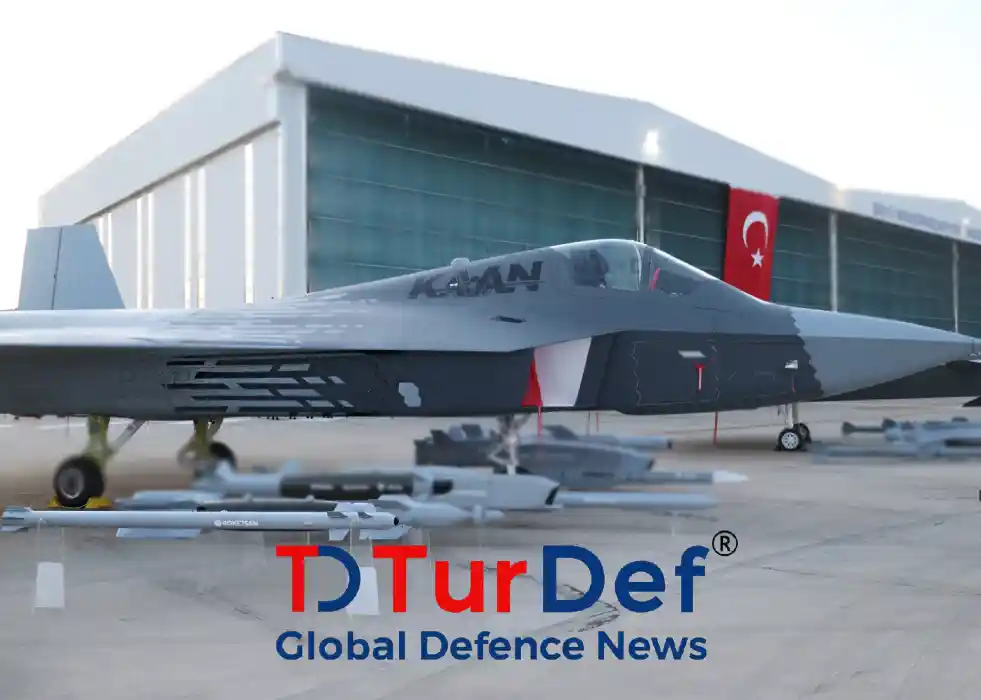
This unsuccessful lobbying effort’s timing matched stories that Turkiye had significantly advanced in restoring its defence links with Washington. After years of exclusion from the F-35 program following its procurement of the Russian S-400 air defence system, Turkiye has participated in revived conversations with U.S. defence authorities during the last months.
Germany, meanwhile, stated it would blockade exporting Eurofighter Typhoon to Turkiye because of democratic backsliding, to be more specific, due to the arrest of Istanbul Mayor Ekrem İmamoğlu. Ironically, İmamoğlu himself rejected the choice and urged Berlin to remove the ban.
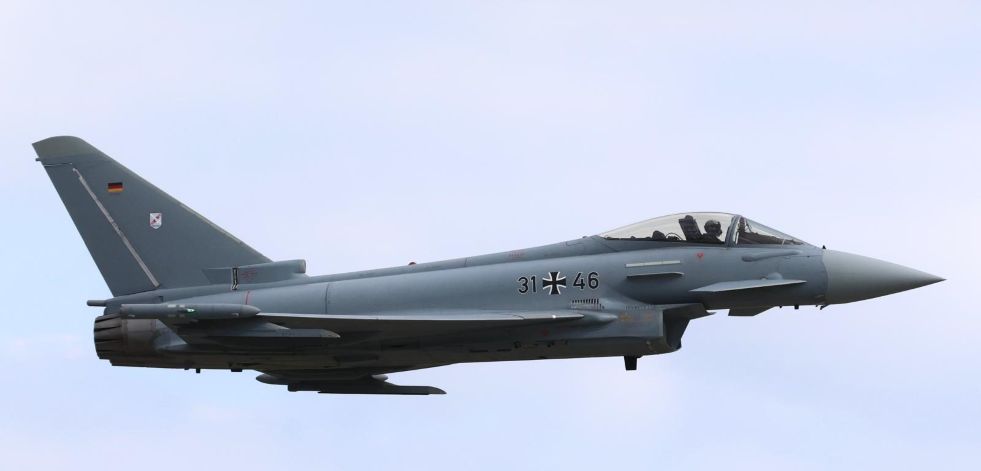
TurDef had previously recalled Germany’s stance after the 2018 murder of Saudi journalist Jamal Khashoggi when it imposed a similar arms embargo on Saudi Arabia. That policy was officially reversed in January 2024, shortly after a meeting between the German Foreign Minister and Israeli President. Berlin justified the shift by referencing Houthi missile threats against Israel and Saudi Arabia’s role in its defence.
TurDef editorial analysis has since pointed to a broader geopolitical trend, suggesting that pressure against Turkiye’s defence procurements is closely tied to Israel’s regional security concerns, especially over the Syrian theatre. The Kathimerini article now lends rare open-source confirmation to such claims.
The revelation by a prominent Greek newspaper that both Greece and Israel engaged in coordinated lobbying to block Turkiye’sTürkiye’s F-35 acquisition underscores the geopolitical stakes surrounding Turkiye’s defence industry resurgence — and suggests that Ankara’s return to the F-35 programme is being weighed seriously in Washington, despite opposition from regional actors.
Author: Özgür Ekşi