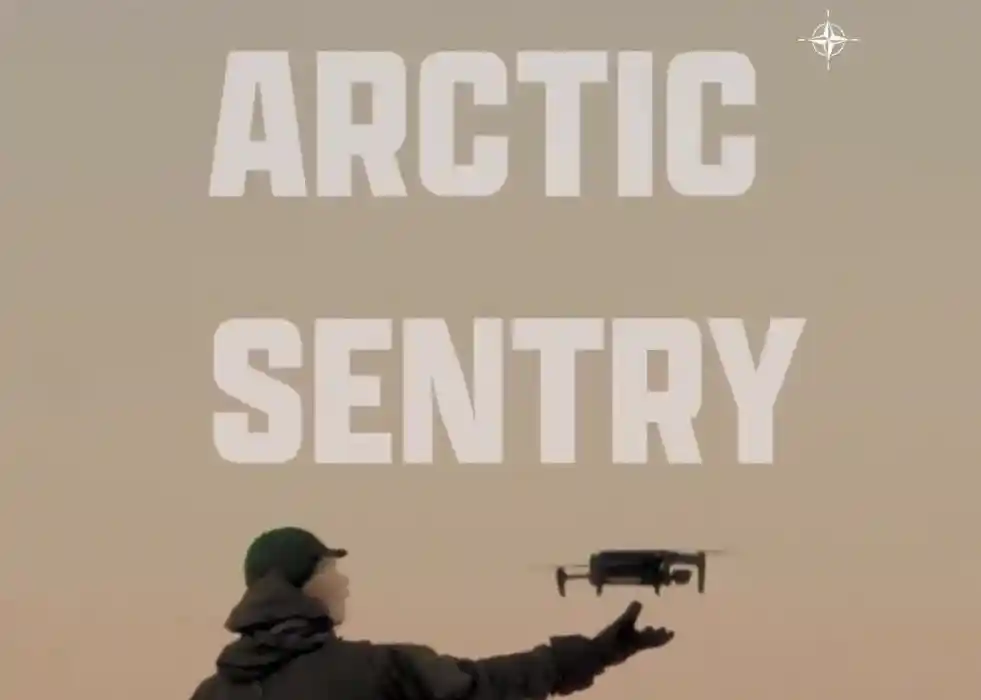
NATO’s Cold Response 2026 exercise in northern Norway has become a testing ground for FPV drone warfare — one of the most disruptive battlefield innovations to emerge from the Ukraine war.

The Norwegian-led exercise, held between 9 and 19 March, brings together approximately 25,000 personnel from 14 allied countries operating across northern Norway and surrounding maritime areas. The drills provide NATO with an opportunity to test emerging technologies in one of the harshest operational environments in the world.
During the exercise, allied forces tested first-person-view (FPV) drones in extreme Arctic conditions, including sub-zero temperatures, snow-covered terrain and reduced visibility. The trials aim to evaluate how low-cost strike drones perform in an environment where batteries, communications systems and sensors face severe performance limitations.
FPV drones became widely known during the Ukraine war, where small, low-cost platforms have been widely used against armoured vehicles, artillery systems and air defence assets. On today’s battlefield, FPV drones have become one of the most significant threats facing armoured vehicles and advancing infantry units, capable of striking targets at relatively low cost and with high precision.
In most cases, FPV strike drones do not search for targets themselves. Instead, targets are typically identified earlier by separate intelligence, surveillance and reconnaissance (ISR) drones operating above the battlefield. Once a target is confirmed, the FPV drone is launched as a short-range strike platform.
Because the target location is already known, FPV drones are often configured with relatively small batteries providing typically five to six minutes of flight time. This approach keeps the aircraft light and agile while maximising speed and manoeuvrability during the attack phase.
The Arctic environment, however, presents major technical challenges for such systems. Cold temperatures drastically reduce battery efficiency, rapidly decreasing available energy and flight time. In polar conditions, where temperatures can drop far below freezing, this effect can severely limit the operational range of small drones. Strong winds and rapidly changing weather patterns also complicate drone control and navigation.
For NATO militaries, the Ukraine war has effectively turned FPV drones from improvised battlefield tools into a capability that must now be integrated into doctrine, training and force structure. Testing these systems in Arctic conditions therefore reflects the next stage of that evolution: moving from battlefield improvisation to structured operational concepts.
The growing strategic focus on the Arctic is driven by multiple factors. Natural resources — including rare earth deposits and hydrocarbons, particularly around areas such as Greenland — are attracting increasing geopolitical attention as countries seek access to critical materials.
At the same time, the gradual retreat of polar ice is opening the possibility of new maritime corridors between Europe and Asia. These Arctic routes could significantly shorten shipping times compared with traditional passages through the Suez Canal.
Both developments are unfolding in the same harsh operational environment. As a result, military forces are increasingly interested in understanding how equipment, logistics and emerging technologies can function reliably in extreme cold conditions.
China has framed these developments under the concept of a “Polar Silk Road”, presenting Arctic shipping lanes as a northern extension of its Belt and Road Initiative. At the same time, Russia continues to expand infrastructure and commercial traffic along the Northern Sea Route along its Arctic coastline.
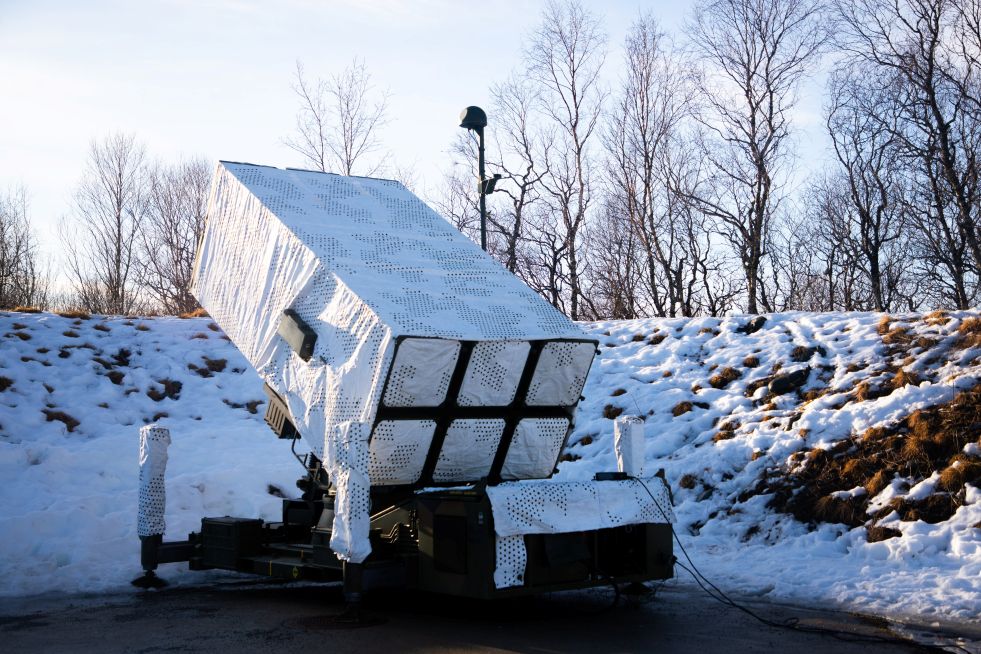
For NATO members, these developments raise long-term security questions about monitoring, protecting and potentially controlling emerging sea lanes in the High North. In the vast and sparsely populated Arctic environment, low-cost drones could offer a practical way to monitor maritime activity, support patrol forces and provide rapid reconnaissance across large distances.
Cold Response 2026 illustrates a growing strategic link between three trends: lessons from the Ukraine war, the rapid spread of FPV drone warfare and the rising geopolitical importance of the Arctic.
Author: Özgür Ekşi