EFES 2026: Turkiye to NATO? or NATO to Turkiye?
Chapter III: Transition, Hybrid Warfare and the Fifth Generation
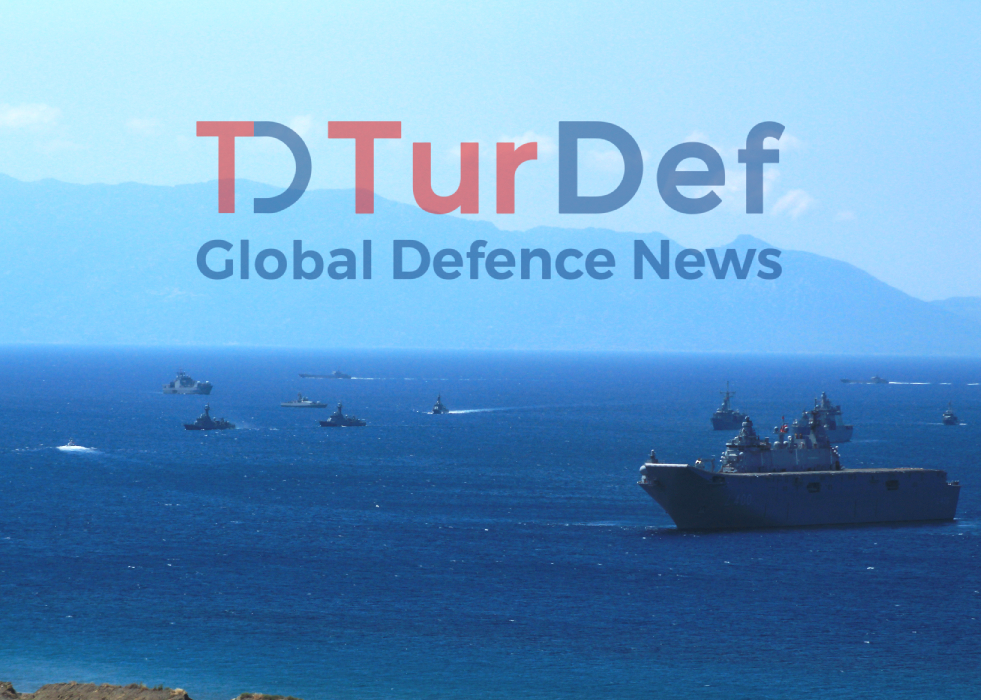
The Turkish Armed Forces completed the Efes 2026 Exercise last week. Operations that were once based on the combined arms warfare, are now evolving into the doctrine of multi-domain warfare. It should be noted that the transition process is not a short-term endeavour.
Concepts and Experience
Turkiye has been experiencing a de facto state of conflict for an extended period due to the persistent challenges posed by terrorism. Operations that sometimes take the form of aymmetrical warfare in rugged mountainous terrain and at other times as urban warfare in populated areas undoubtedly yield significant gains in terms of experience. In this process, the Turkish Armed Forces have moved away from past mistakes and ceased to simply adopt existing concepts and doctrines and strive to conform to its structure. The Turkish defence industry's production of bespoke products has been identified as a key factor in this development.
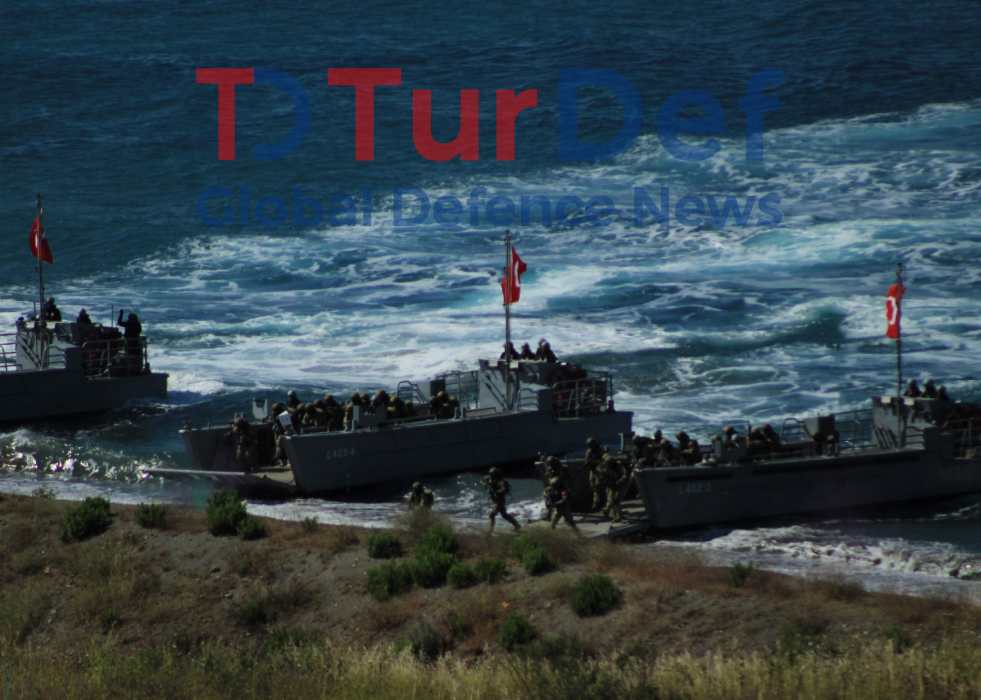
Developments around the world are being closely monitored. Drawing upon the insights garnered from recent advancements and leveraging existing expertise, the domestic defence industry is strategically positioning itself to foster a form of localisation. The Efes 2026 Exercise provided a valuable opportunity to observe the aforementioned activities.
Asymmetrical Warfare within Regular Assault
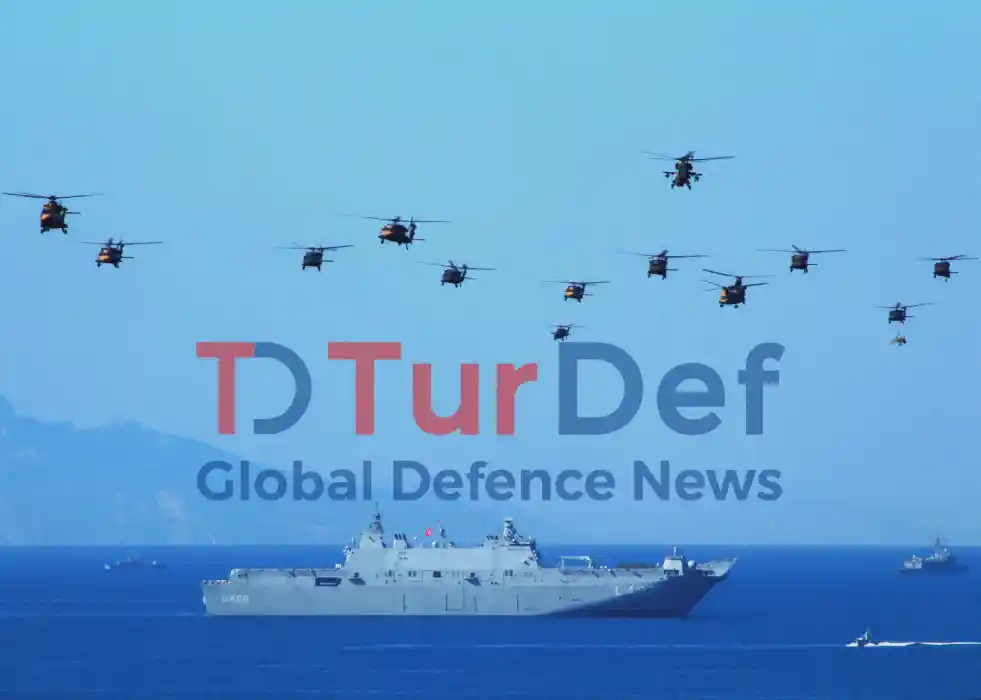
Concurrently with a conventional operation that was being conducted along the coastline towards the depth of battlefield, an asymmetric operation was also being conducted. According to the exercise scenario, a convoy belonging to the commander of the opposing force in the area has been detected. Following the analysis of the intelligence, the relevant information was disseminated to Special Forces units that had already been positioned in the vicinity of the area of operations, thereby initiating the pinpoint operation. In the course of a precision operation conducted by helicopter support, the enemy force commander was captured alive. The operation, which lasted less than 10 minutes, was intended to disrupt the chain of command of opposing forces in the region and, by capitalising on this success, to increase the chance of victory in the overall campaign.
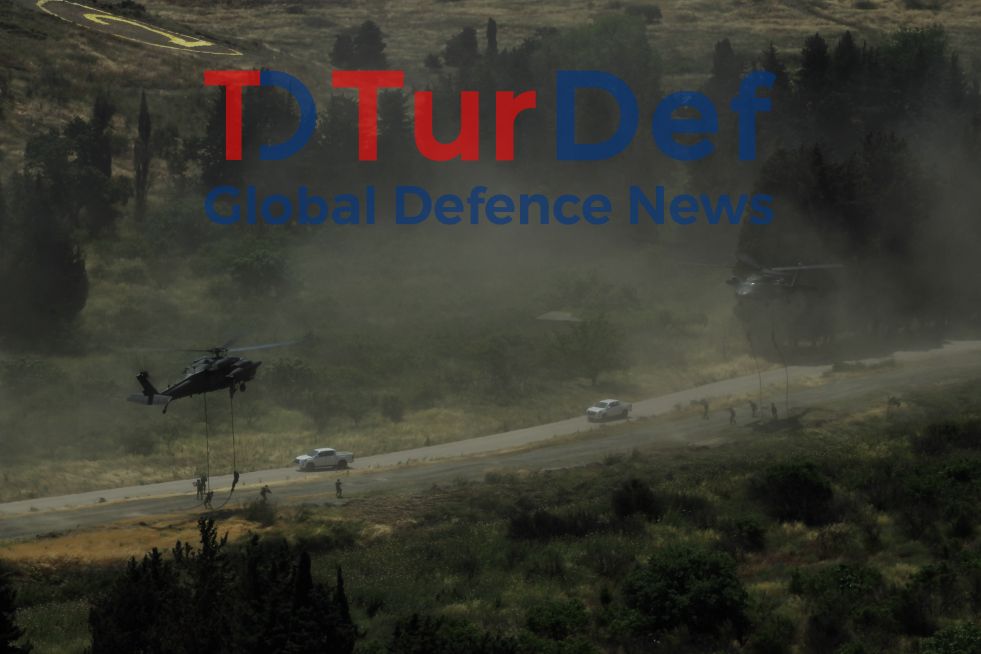 Photo Credit: Halil Zanapalıoğlu
This asymmetric scenario, which is employed during a conventional military operation, is, in fact, a reality of hybrid warfare in today. This coperation provides a valuable opportunity to assess the extent to which the Turkish Armed Forces have been able to capitalise on their experience in irregular warfare and to what extent they have been able to apply this in the field. Whilst this situation is significant in terms of creating an asymmetry that the enemy will find difficult to counter, it points to a situation that remains poorly defined in the context of multi-domain operations. It is more probable that observation will reveal whether this is a concept developed as a result of the transition process outlined in the scenario, or whether it is a concept developed to localise the existing doctrine, as a demonstration of experience or capability, in order to achieve success via more direct routes in the coming years.
Information Node
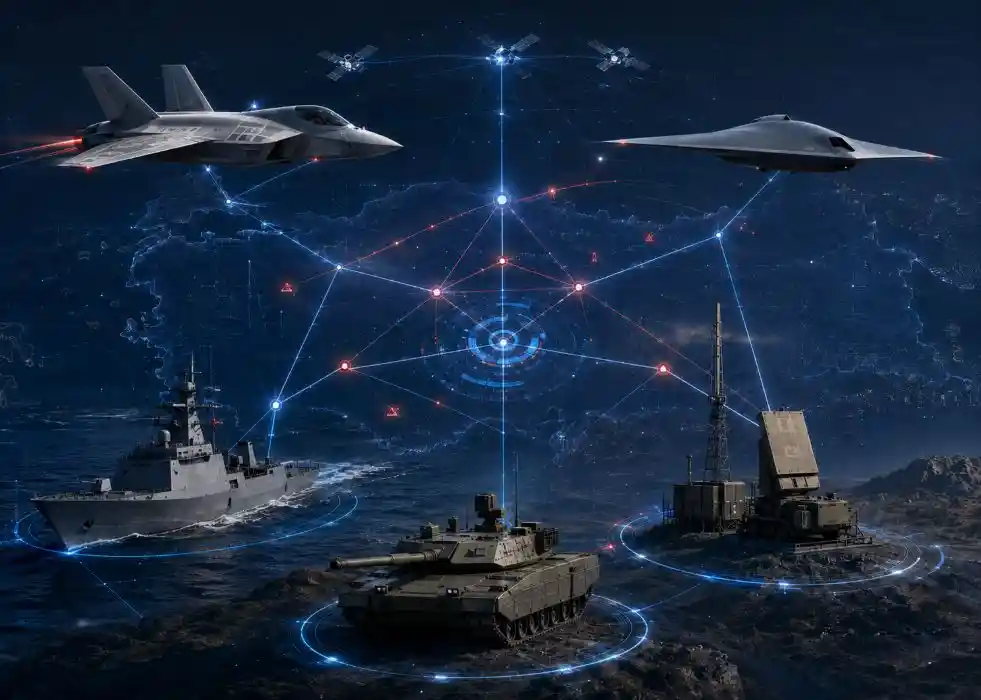
A detailed analysis of the Turkish Armed Forces' recent military exercises indicates a marked transition from platform-centric to network-centric warfare strategies. However, this shift is clearly evident in Efes 2026. The ADVENT is responsible for the collection of intelligence and the execution of command functions in the naval phase of the operation. The Kocatepe, which named after TCG Kocatepe (D-354) incident during Cyprus Peace Operation, assume control for the land operations. More importantly, the necessary steps have already been taken to ensure that these two key infrastructure systems can be integrated and operate in a coordinated manner. In the near future, there will be an opportunity to observe a structure in which naval and land battlefields will be seamlessly interconnected via a network.
Although the network architecture of the two key components, ADVENT and Kocatepe, is interconnected, there is still asset that is not functioning properly: the Turkish Air Force.
The Turkish Armed Forces continue to endeavour to provide air defence using aircraft, a method that is both the most expensive and the most difficult to maintain. There is a serious delay in this regard. However, the launch of the Hisar and Siper initiatives recently signifies substantial turning points. An even more critical attempt is the Steel Dome architecture, which will link current and future air defence systems. Although some live-fire exercises and some activities in a simulated environment were observed at Efes 2026, there is still a long way to go before the process is fully established and provides a truly reliable framework. Significant progress has been made in the naval component of air defence thanks to the ADVENT and navalised Hisar projects. However, it is unfortunate that similar progress cannot be ascertained in the land and air components.
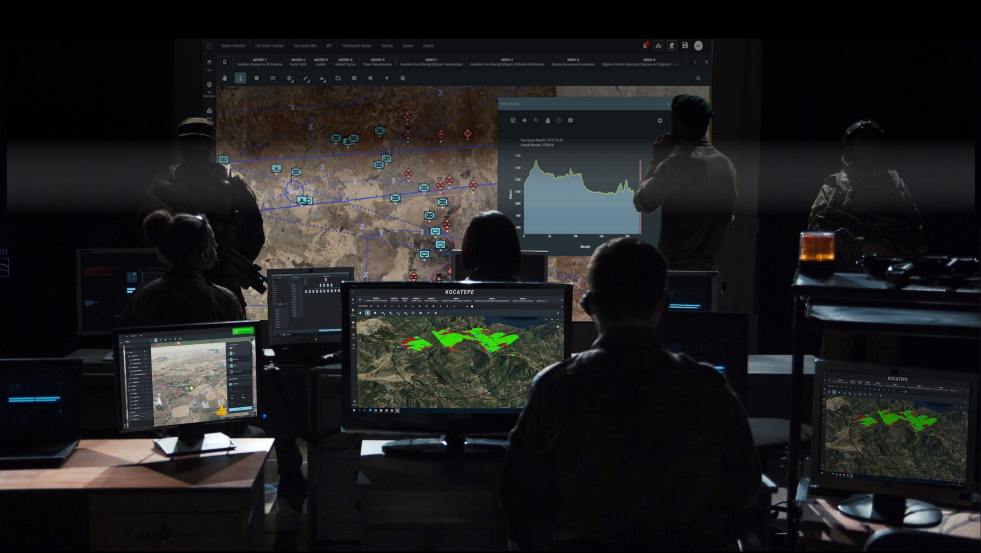
Information is the greatest asset for troops operating in the field. Nevertheless, the transition from platform-centric to network-centric warfare is significantly increasing the strategic importance of the intelligence in question. The issue of information nodes at sea and on land has been largely resolved with the introduction of ADVENT and Kocatepe. Nonetheless, it remains challenging to articulate a fully established system with regard to the air force. Especially in the absence of fifth-generation aircraft…
Absence and Fifth Generation
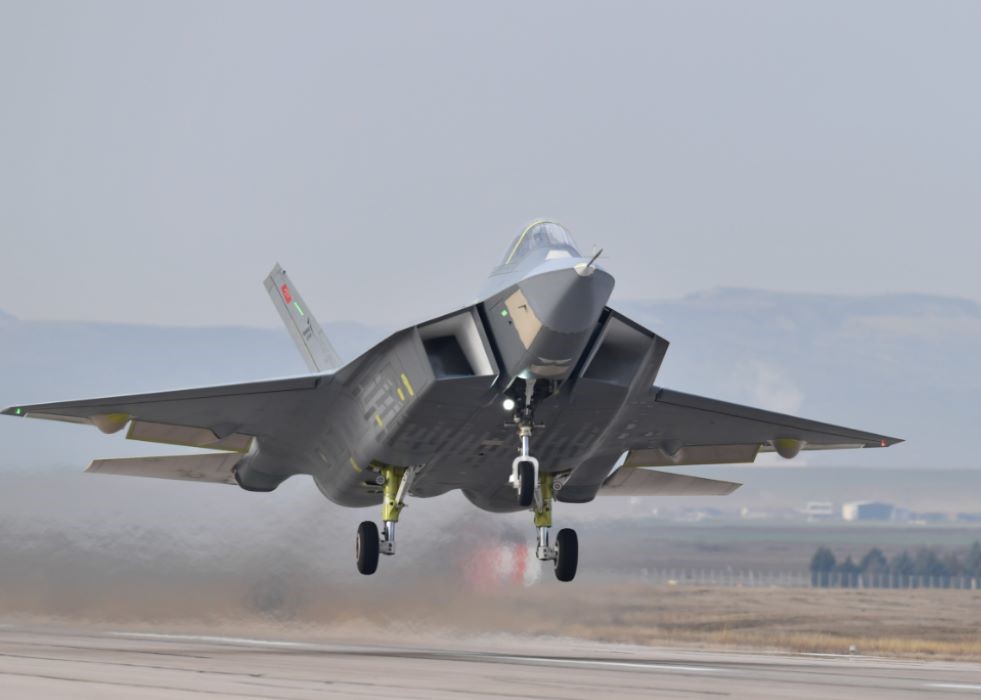
Despite the current focus on fifth-generation aircraft in public discourse and media outlets, to their stealth capabilities, the true strength of these aircraft lies in their technological capabilities and information reserve. The core component is constituted by advanced sensor hardware, in conjunction with the infrastructure that processes, classifies, interprets and prioritises the data obtained from these sensors and external sources.
At this stage, fifth-generation aircraft are not merely combat assets, but act as massive servers flying over the region. Airborne combat management and sensor fusion are also features of airborne early warning and maritime patrol aircraft. However, the aforementioned platforms lack the capability to penetrate the battlefield directly and carry out the task of collecting primary data on the first hand in the area of operations. The most significant challenges to this undertaking are the large radar cross-section areas, electronic signatures, the limited manoeuvrability, and the substantial size of the object.
Fifth-generation aircraft, on the other hand, are a system of systems designed to act as an invisible yet all-seeing sensor node deep within airspace. The aircraft's low radar cross-section affords it the capability to penetrate enemy A2/AD bubbles, thereby enabling it to function as a forward-deployed data distribution centre for UAVs and other fourth-generation aircraft engaged in missions within the second lines. The aircraft under discussion, equipped with an AESA radar, passive sensors, electro-optical systems and electronic warfare pods, gathers critical data in real time from deep behind the enemy lines. Another key feature is that, in addition to the collection of data, it is capable of processing gathered information and transmitting it to the network in real time thanks to its network-centric warfare capability.
The Turkish Armed Forces have undergone a significant transformation with the ADVENT programme and subsequently with Kocatepe, and have made substantial progress. This infrastructure facilitates the real-time exchange of data among units, enabling the tracking of their positions through the utilisation of maps and operational pictures. Another key capability is the ability to bypass intermediary links in the process of transmitting data from the sensor to the launcher, thereby saving time and ensuring the most effective fire control.
Turkish Sytle Patch
Several ongoing projects have enabled the Turkish Air Force to establish a solid infrastructure, particularly in Eskişehir. However, it is worth noting that this chain would be incomplete without a fifth-generation aircraft. However, it is encouraging to note that the identified shortcomings have been recognised, and a solution in the form of a doctrinal patch is currently being implemented using domestically developed solutions. The key components here are satellites and unmanned aerial vehicles.
Turkey's exclusion from the F-35 Lightning II programme, which is ostensibly based on unsubstantiated grounds, has impeded its progress in transitioning to fifth-generation aircraft. At present, the implementation of Link-16 systems has enabled a significant number of air assets to establish and maintain data communication with one another, as well as with other friendly and allied ground-based systems. Moreover, a project known as T-Link is underway, with the objective of developing a national data link. However, unlike the fifth generation, previous line of aircraft cannot penetrate deep behind enemy lines with ease to gather data at full capacity. It is impractical to position flagship aircraft such as the E-7T Peace Eagle or the Hava (Airborne) SOJ in such close proximity to air defence systems that they are effectively in danger close. Within the overarching framework, it is imperative that units effectively utilise the corridor created by the stand-off jammers, in accordance with the tactical picture provided by the airborne early warning and command (AEW&C) aircraft. Intensive research is currently being conducted on Unmanned Aerial Vehicles (UAVs) for this purpose. As for satellites, Ankara is likely to see its real breakthrough following the development of a domestic launch system and the planned establishment of a space base in Somalia. Unmanned aerial and naval systems have become pivotal for Turkiye. However, it would be premature to speak of the establishment of this concept within this doctrine.
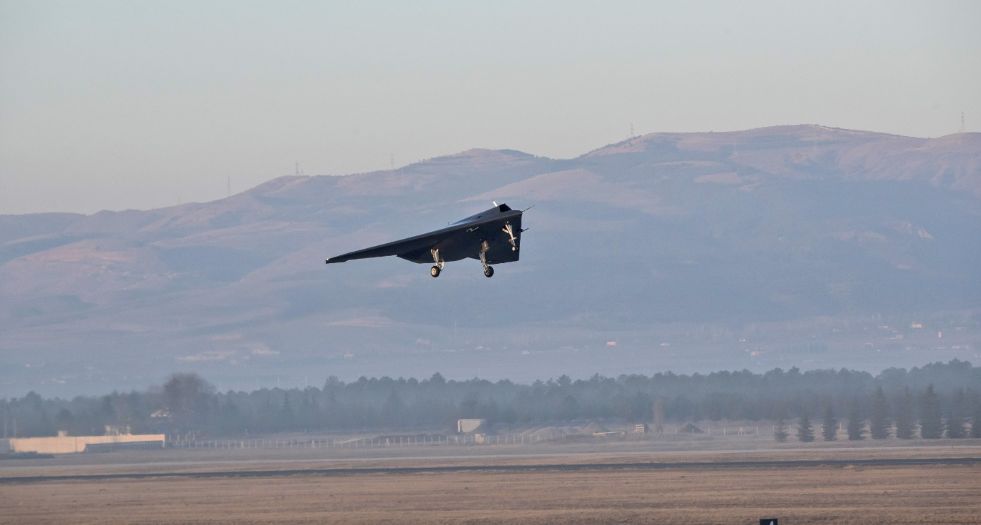
Turkiye is seeking to automate infiltration missions using high-capacity unmanned aerial vehicles such as the Anka-3 and Kızılelma, as well as the long-range weapons launched by these vehicles. The limited number of AWACS and stand-off jammer (SOJ) assets currently available may suffice for the present, but they nevertheless give rise to questions regarding the future.
Despite the fact that efforts to address the shortfall at the air force are nearing fruition, it is unlikely that the gap in the chain can be closed without a fully operational fifth-generation platform. The final link in the chain cannot be secured due to the lack of a system capable of penetrating deep behind enemy lines and operating at full capacity at the sensor fusion node.
At this stage, the Turkish-style asymmetric patch provides a significant advantage over most regional rivals. It is evident that the issue is not being addressed within the confines of a single domain. The domestic defence industry has provided a significant impetus for the Turkish Armed Forces, enabling them to experimentation and innovation for purpose-oriented requirements. Weapon systems capable of launching attacks based on remotely transmitted data, unmanned ground vehicles capable of medical evacuation and integrated with remotely controlled weapon systems (RCWS) that can secure an area, unmanned surface vessels ensuring the security of the TCG Anadolu (L 400), and vehicle-mounted explosive detection and disposal systems are some of key elements.
Conversely, the fact that an attack was executed using swarm-capable drones for the first time in a joint, multinational live-fire exercise is of immense strategic importance in terms of the concept of establishing superiority whilst exposing as few personnel as possible to risk, both at the strategic level and on the tactical battlefield. Moreover, the capacity to exert pressure on the enemy at a reduced cost, by diminishing the decision-making burden on the chain of command and units on the ground through the utilisation of artificial intelligence, is a pivotal factor in enhancing tactical effectiveness.
Past Experiences and New Expertises
It is evident from past knowledge that when a military force has not been engaged in warfare for a period of 34 years, it has invariably lost its combat experience. In the terminology of Efes 2026, this experience can be summarised in the simplest terms as "the ability to land precisely at the correct location at the optimum moment". The Turkish Armed Forces have been in active combat for nearly 50 years. Should the Cyprus Peace Operation be included in the period under review, the total duration would amount to 60 years. At present, there is no military force on the European continent with a comparable degree of expertise or capacity. In terms of the capabilities of NATO member states, it can be argued that only the US possesses a similar capacity in addition to the Turkiye. However, it is well documented that the situation regarding armaments and equipment reserves was significantly problematic in the aftermath of the wars waged in Ukraine and Iran.
The quality of courage is not replicable in any other context. It is a mistaken assumption to reduce this issue to mere recklessness. The ability to maintain temper in high-pressure situations is also a crucial aspect of the role. A close examination of the Turkish Armed Forces reveals that they are characterised by a profound sense of courage, an unwavering commitment to self-sacrifice, and a wealth of experiential knowledge honed through prolonged engagement in combat. Naming facilities after martyrs is also a symbol of this approach.
It is also beneficial to remark upon the fact that the activity is being organised with a defence industry exhibition. The Presidency of Defence Industries coordinated an event that provided a platform for numerous companies to exhibit their latest products and the solutions employed in field exercises to a diverse audience, including end-users, industry professionals, and distinguished domestic and international visitors. The further development of this "on-site exhibition" concept, when integrated into the exercise plan, has the potential to generate new opportunities for exports. In order to broaden the definition, it would be beneficial to consider the approach of bringing a vehicle, system or weapon—which, much like the example from Russia in the past, has only just completed its operational task ten minutes ago—to the exhibition area whilst it is, so to speak, still smoking, with oil and operational grime still on it, and without even having been serviced or washed. Delegates from friendly and allied nations visiting the exhibition will be interested in products that have demonstrated their value in the field and possess their full logistical potential, rather than display items that are merely transported from one exhibition to the next. This, in turn, will streamline the decision-making process right down to the operational level; will pave the way for an approach that will enable distinguished visitor to return to his country with a report that is significantly more positive than those previously produced.
Conclusion
Initiatives such as "Build Your Own Aircraft" and "Build Your Own Ship", which were launched during the Cyprus crisis, have reached a level that forms a significant foundation for the military requirements of tomorrow. The execution of such a complex operation, involving both manned and unmanned systems at sea, on land and in the air, and conducted using domestic infrastructure extending to combat management systems, offers lessons that warrant careful consideration from the perspective of both Turkiye and NATO.
It is widely acknowledged that Europe is currently encountering significant challenges in its efforts to recruit military personnel. Despite possessing the technological capabilities required for the defence industry, the European countries aare unable to implement them effectively. It is currently experiencing a period of employment-related stagnation and helplessness, coinciding with a time when the United States is questioning the very existence of NATO and security concerns within the North Atlantic Treaty Organisation have reached a critical point. At this juncture, it is evident that Turkiye's execution of a multi-layered operation such as Efes Exercise by the Aegean Army, which is not even assigned to NATO, can be regarded as substantiating evidence that, while Ankara could potentially subsist without the alliance, the alliance itself would be akin to a structure that has lost its primary supporting pillar without Turkiye.
You can access first and second chapters of the article via links below;
EFES 2026: Turkiye to NATO? or NATO to Turkiye? / Chapter I
EFES 2026: Turkiye to NATO? or NATO to Turkiye? / Chapter II
Photo Credit: Halil Zanapalıoğlu
Author: Halil Zanapalıoğlu
Editor: Özgür Ekşi