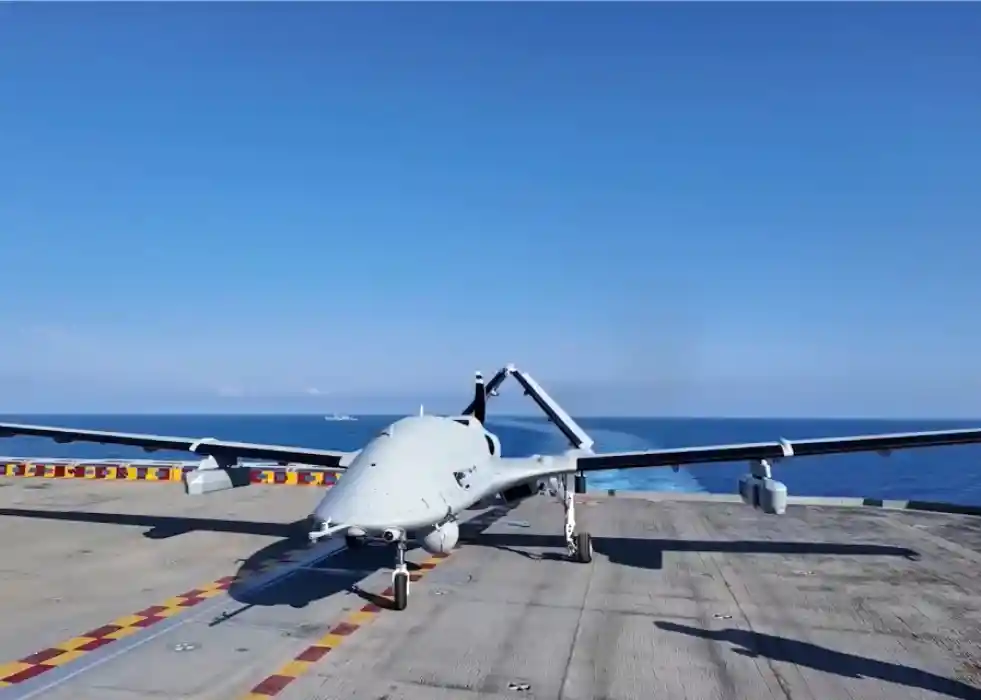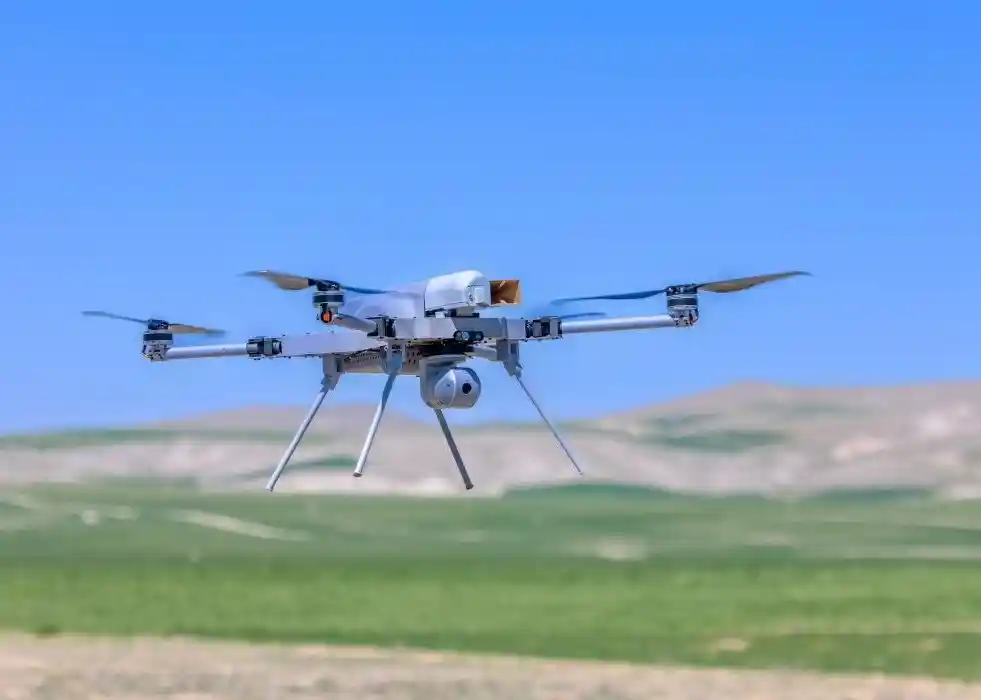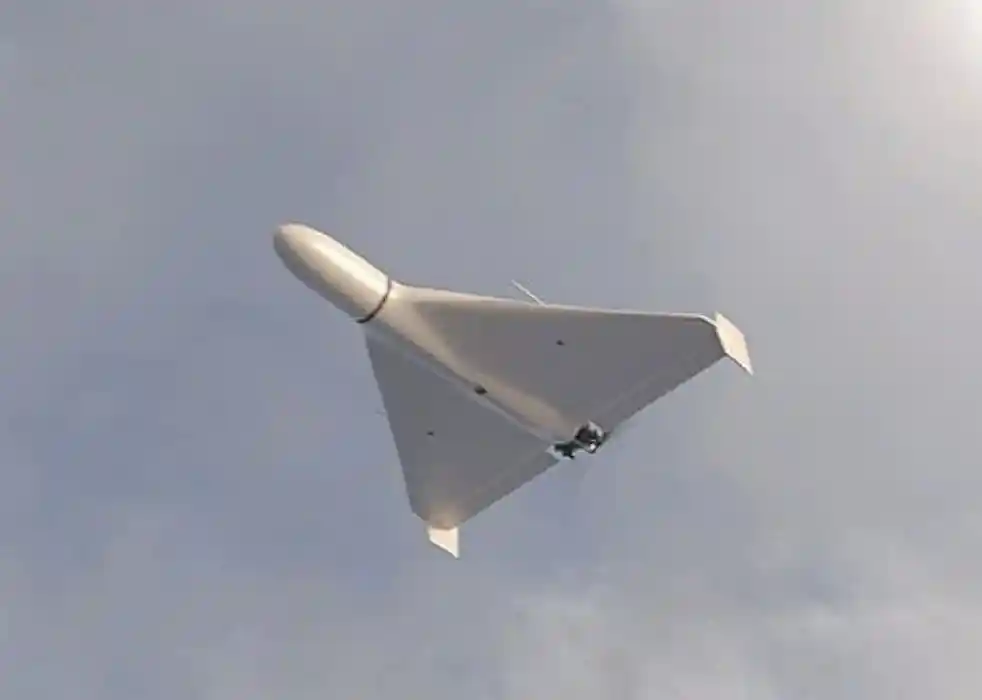
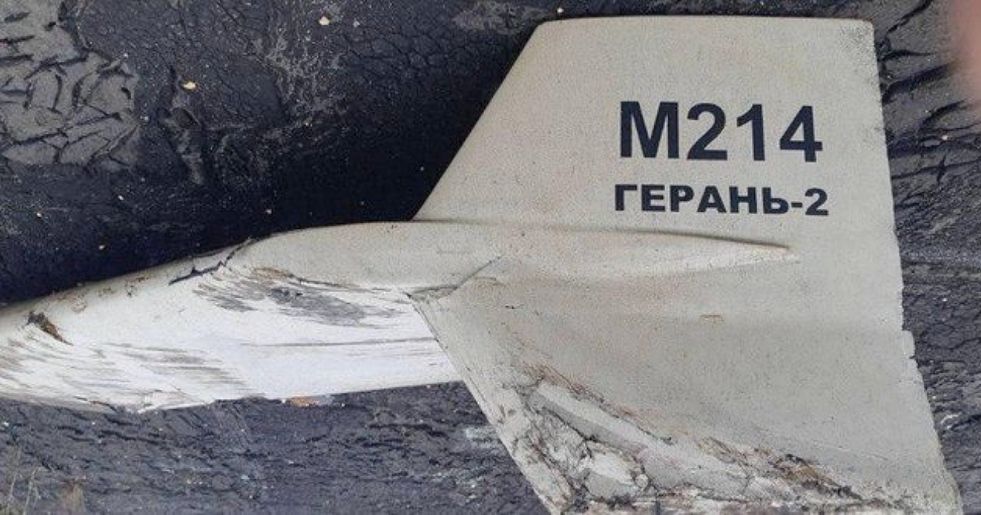
In modern conflicts, warfare is no longer limited to frontlines or military zones. Instead, it is increasingly penetrating civilian spaces—both physically and digitally. A striking example of this transformation is the use of commercial technologies such as the Telegram Messenger app to coordinate and control deadly military operations. According to recent reports, Iranian-origin Shahed drones used by Russia in Ukraine have been operated via Telegram, illustrating how easily off-the-shelf platforms are being absorbed into the machinery of war.
This marks a critical shift: drones, once launched from secure bases, can now be guided from smartphones over encrypted messaging platforms. Combined with container-based systems capable of hiding weapons in civilian-looking freight, the threat is no longer at the gates—it is already inside the city.
Civilian Systems, Military Payloads
ISO-standard containers, originally designed to transform global trade, are increasingly being repurposed as covert weapons platforms. Because they can be put together in many ways, hidden, and are tough, they are great for hiding bombs, command-and-control systems, and precision attack systems. These containers may remain empty for weeks or months before being turned on from a distance, looking like real civilian goods until the time of engagement.
This integration of military action with everyday technology is not limited to container concealment. It extends into the digital realm. More and more, the Internet of Things (IoT), which includes smart gadgets and wireless networks, is being used on the battlefield. Encrypted messaging applications like Telegram were designed for safe personal communication, but they are now also used as military command interfaces. This makes it harder to implement international humanitarian law since it makes it harder to tell the difference between civilian life and military activities.
When systems can be triggered through a phone app, and when containers indistinguishable from commercial cargo can carry lethal payloads, the theatre of war becomes borderless. Any urban centre, logistics hub, or transit point becomes a potential launchpad.
Legal and Strategic Implications
This fusion of civilian platforms and military capabilities raises urgent questions. The Geneva Conventions rely on the principle of distinction—between combatant and civilian, between military target and protected object. But how can such lines be upheld when drones are guided by civilian communication tools and weapons are concealed in standard freight containers?
From Iran’s use of container-mounted drone systems to South Africa’s Valkiri rockets disguised under tarpaulins, examples abound of states deliberately blurring this line. Russia and Ukraine are only the most visible manifestations of this trend.
The strategic dilemma is clear: if every truck or container is a potential threat, then civilian infrastructure is no longer safe. The moral and legal burden placed on military forces to avoid civilian casualties becomes nearly impossible to shoulder. Worse, the erosion of trust in neutral infrastructure raises the likelihood of pre-emptive strikes and accidental escalations.
Escalation Without End?
Despite these dangers, states across the globe—from NATO members to adversarial powers—continue to invest in covert strike systems that leverage containerised platforms and digital communications. They offer mobility, deniability, and affordability—all essential in the age of hybrid warfare.
Yet with every Telegram-controlled drone strike and every ISO container converted into a weapons bay, the risk grows that war will no longer recognise borders, uniforms, or even battlefields. Unless international norms evolve to regulate this grey-zone warfare, the line between civilian and combatant may dissolve entirely—and with it, the foundations of humanitarian protection in war.
Author: Özgür Ekşi