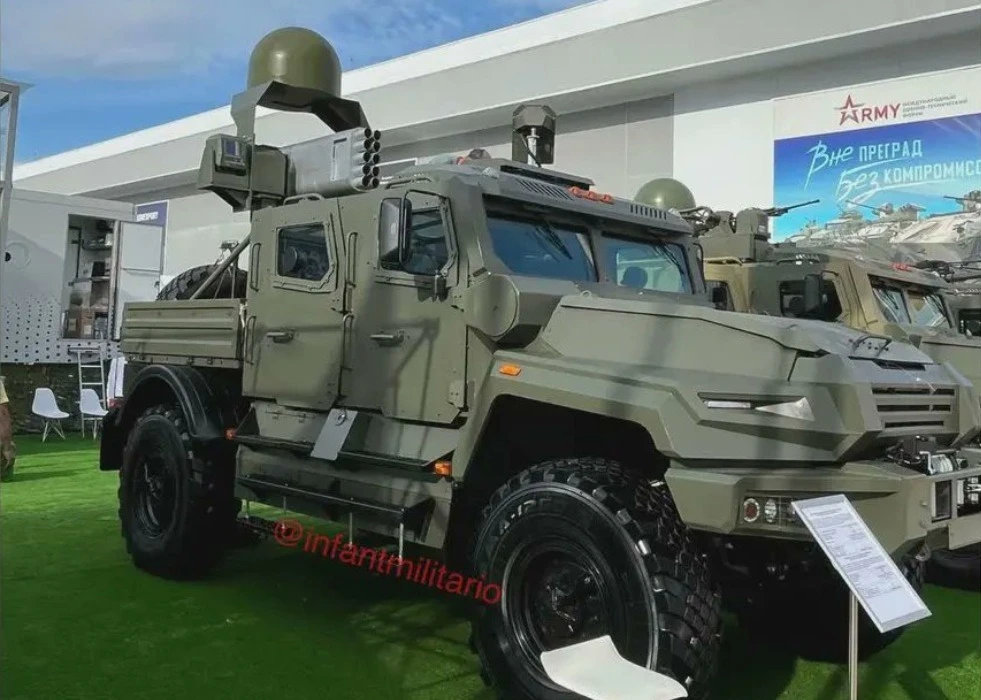
In its efforts to develop a low-cost C-UAS solution, Russia has developed the Rapira family of C-UAS systems with low-cost effectors. Two versions, Rapira-2 and Rapira-3, were put on display during Forum-Army 2024. The systems have been mounted on 4x4 platforms. Rapira-3 uses proximity-fuse rockets without any guidance.
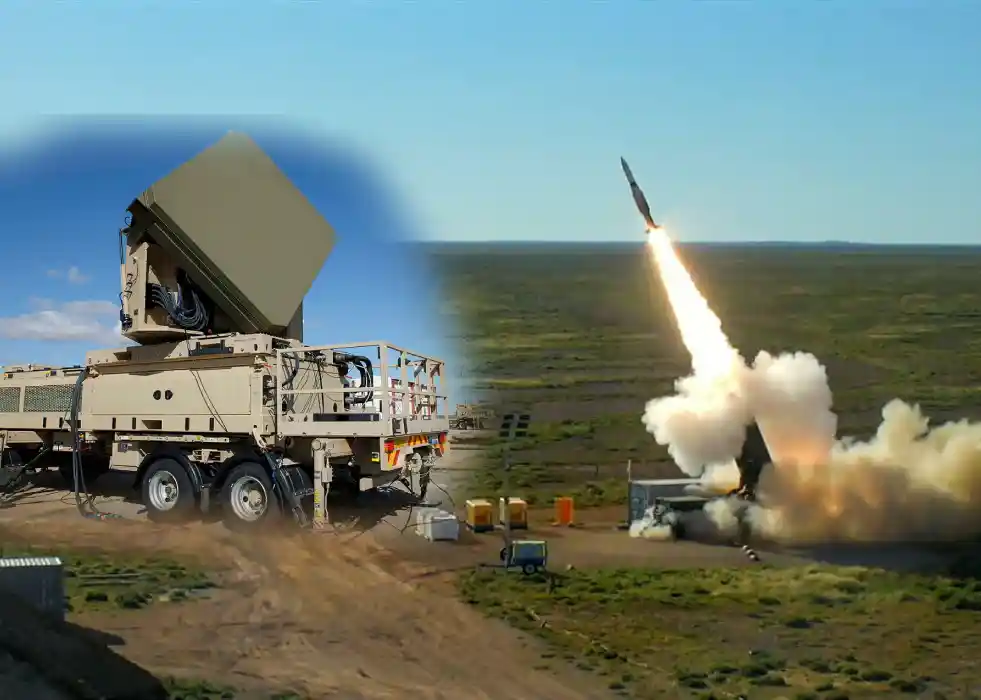
The system fires a salvo of S-8 80 mm rockets fitted with proximity fuse to shoot down small drones like FPVs and kamikaze UAVs. Russia’s system can be observed to have a built-in radar and a launcher with ten rockets. Judging by the purpose of the rockets, they are likely based on the S-8OFP1 HE-FRAG rocket with a 9.2 kg warhead with 2.8 kg of explosives. Unguided missiles can’t be guaranteed to come near agile UAVs in a sideway interception, making the system ideal for direct attacks.
Ukraine previously developed a heavier system of the same logic before the war, using a pair of high-capacity S-8 launchers used on helicopters. For a comparison, VAMPIRE C-UAS system of the U.S. uses four APKWS-II laser-guided Hydra 70 rockets with laser proximity fuse to engage UAVs from multiple aspects. However, precise electro-optics and laser guidance kits add a degree of cost. Only time will tell if this tactic proves to be effective or not.
Both sides in the Russo-Ukrainian War are known to have drawn from tactics of the other side that have proven to be effective. If the system performs sufficiently, it wouldn’t be a surprise to see Ukraine rolling its similar system from the shelf. Rapira-2, on the other hand, seemingly uses the same radar but with a 7.62x54 mm PK machine gun.
This suggests Rapira-2 is specifically intended against small kamikaze UAVs with a much cheaper effector with the ease of resupply. Using firearms to shoot down kamikaze UAVs has been a trend, with both sides using shotguns at infantry-level and vehicle-mounted machine guns.