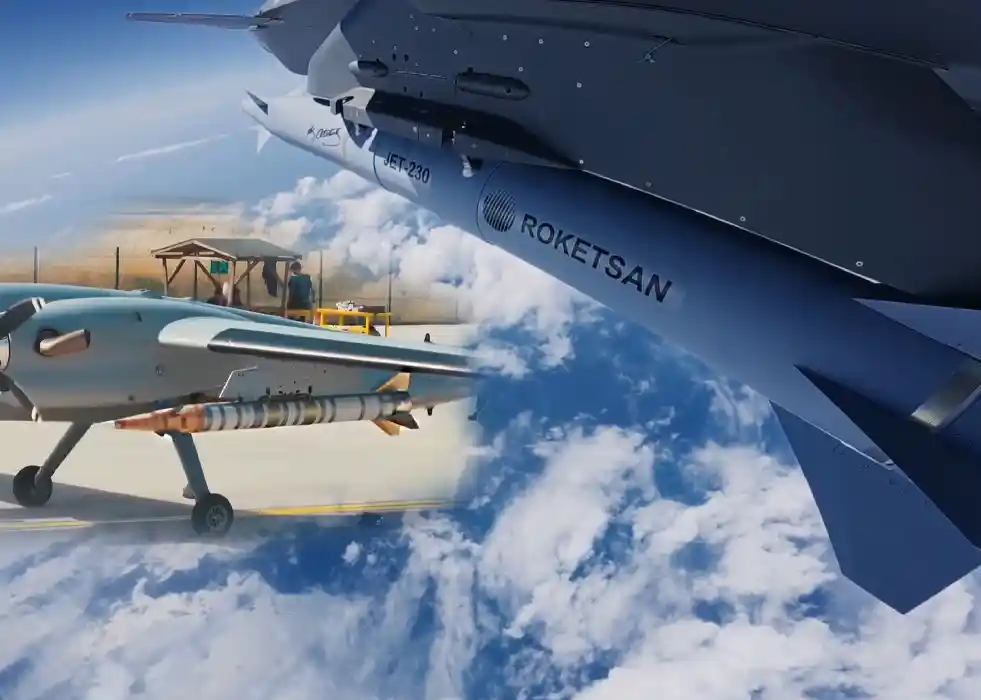
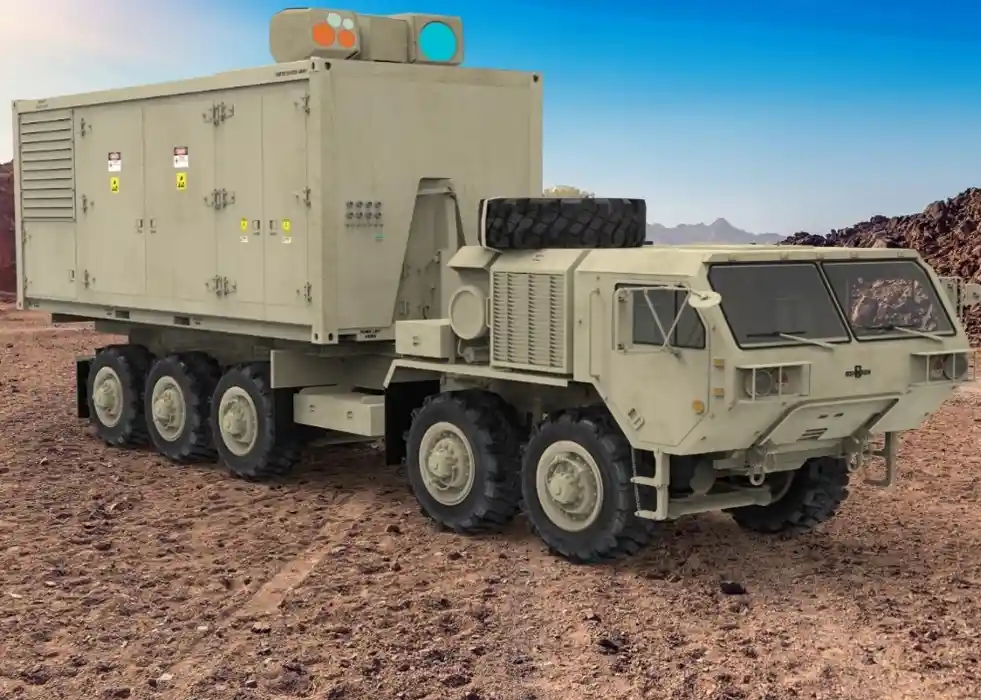
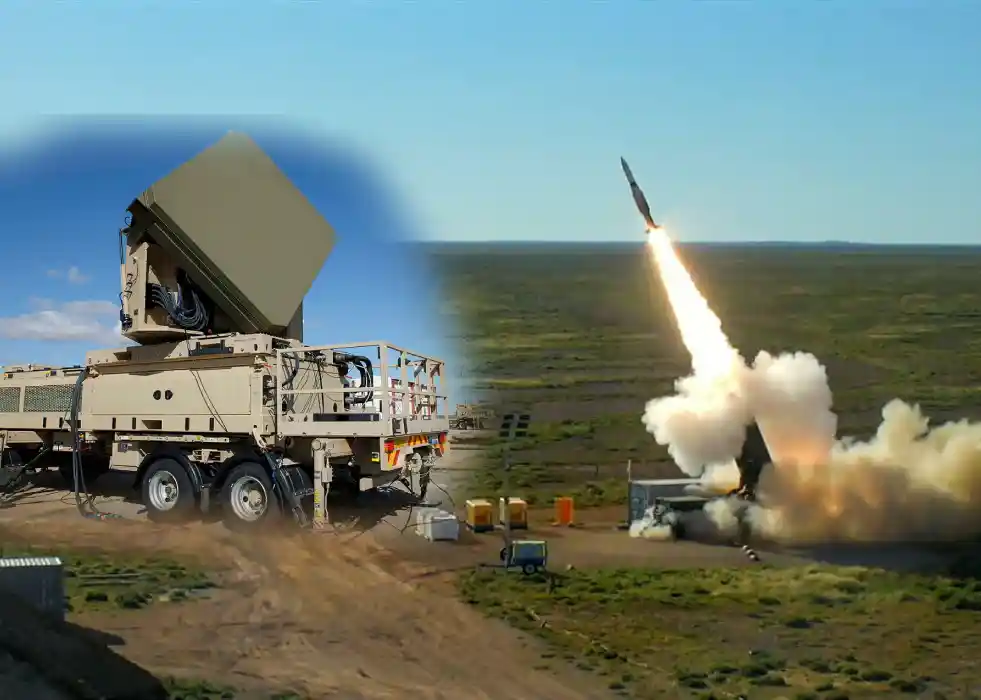
Siper 1, Türkiye’s indigenous long-range air and missile defence system, has successfully carried out its first autonomous battery firing under the control of the Turkish Air Force at the Sinop Test Range. The test, held on 16 November 2025, marked a new threshold for the country’s multi-layered air defence architecture, known as the “Çelikkubbe” (Iron Dome).
The firing involved only battery-level components of the system: the Fire Control Centre, Fire Control Radar, Missile Launch System and the full-capability missile itself. The scenario included simultaneous friendly and hostile target aircraft to validate Siper 1’s autonomous decision-making, tracking and engagement functions under realistic operational conditions.
Haluk Görgün, Secretary of Turkish Defence Industries (SSB) , said the achievement represented the convergence of Türkiye’s leading technological strengths: ASELSAN’s radar, command-and-control and sensor expertise; ROKETSAN’s missile and warhead engineering; and the operational experience of the Turkish Air Force. “Today’s result is one of the clearest proofs of Türkiye’s determination and engineering power in building its own air shield,” he said.
Developed under the leadership of the SSB , Siper has been progressing through serial-production battery deliveries while continuing to clear key capability milestones. The autonomous battery firing strengthens Siper 1's position as a long-range defence system with a dispersed architecture that is meant to protect against current air-breathing and missile threats.
This test is a big step forward for Türkiye's goal of building a completely indigenous, layered, and strategic air defence network.
Author: Özgür Ekşi