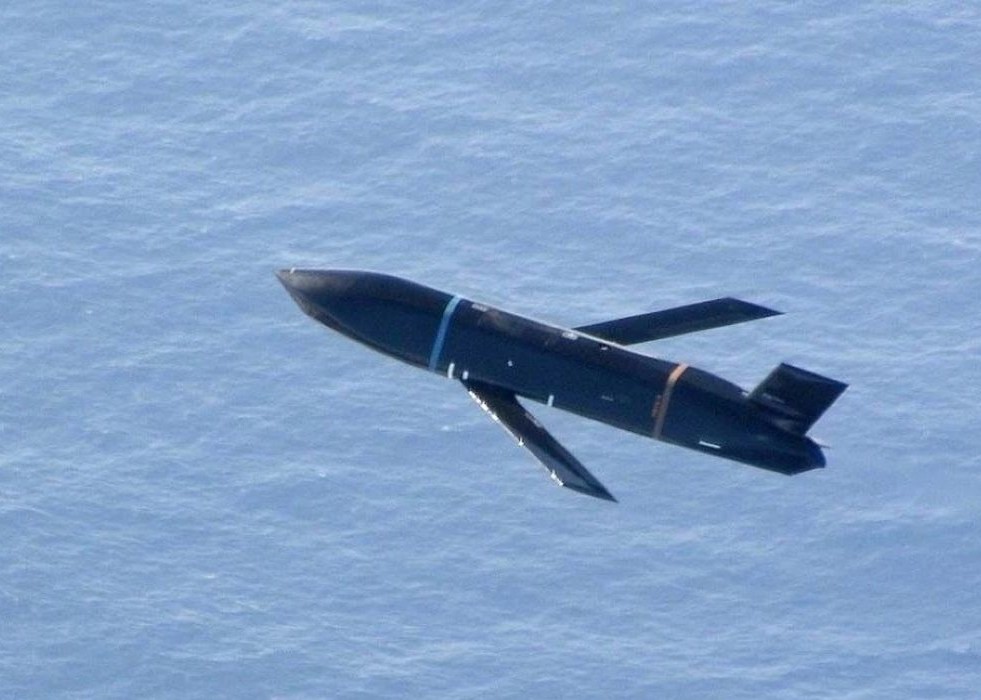
The US is boosting the anti-ship capability of its F-16s to improve maritime strike operations by including the long-range, autonomous LRASM missile.

The US Air Force is now preparing to add the AGM-158C Long Range Anti-Ship Missile (LRASM) to its F-16 Fighting Falcon fleet. The F-16 will have a much-enhanced capability to hit targets in marine environments, allowing it to maintain its operational relevance in contested regions, particularly in the Indo-Pacific region.
Developed by Lockheed Martin, the precision-guided, stealthy anti-ship cruise missile AGM-158C LRASM is meant to find and attack enemy naval assets at vast distances. Exceeding 370 kilometres (200 nautical miles), the missile lets planes attack from beyond the reach of most ship-based air defences. Its low-observable design and autonomous targeting technologies let it find and kill certain targets in highly disputed electronic warfare settings without needing constant connection or GPS.
Currently installed on F/A-18E/F Super Hornet aircraft and B-1B Lancer bombers, the LRASM is also being integrated into the F-35 and F-15E/EX platforms. Adding the F-16 increases the missile's deployment flexibility and provides stand-off anti-ship capabilities to a commonly employed multirole jet.
The LRASM is capable of autonomous route planning and has a 450 kg piercing blast-fragmentation payload. Its capacity to run without external direction systems makes it especially unique for contemporary naval combat situations where electronic countermeasures are common.