The year 2024 ended with Baykar acquiring Piaggio Aerospace, but 2025 has begun with something on a larger scale: a joint venture between Baykar and Leonardo.
Turkish-Italian defence relations have seen a major boost over the past few months, with Baykar acquiring Piaggio Aerospace and a MoU for the Baykar-Leonardo JV to work on UAVs.
The JV will act so that both firms complement each other with their respective expertise: Baykar provides the platforms, and Leonardo provides the systems to be used on said platforms. Markets such as unmanned fighters, UAVs for armed ISR, and deep-strike UCAVs are within the JV’s projected areas of work.
It is worth noting that Baykar acquired Piaggio Aerospace, a platform manufacturer with expertise in turboprop engines, not long before the JV’s announcement. This could mean the acquisition and JV are linked and have been on the table for quite some time.
This cooperation has considerable potential in the European market due to the state of ongoing projects and the recently strained relations between the U.S. and European countries.
Firstly, UAV projects for tactical and above classes in Europe have been progressing slowly because of delays. The heavyweight Eurodrone is a prime example, with delays occurring because of unoptimised coordination between the consortium members and the development of an all-new turboprop engine. This has led to the maiden flight being delayed three years to mid-2027.
Another instance is Italy’s Astore, an armed UAV based on Falco, which has not seen widespread use in terms of exports.
The only HALE UCAV operational in Europe is currently the U.S.-made MQ-9 Reaper. The Trump Administration’s leave-alone policy towards Europe might stop further acquisitions due to the political strain such a policy might put on defence cooperation.
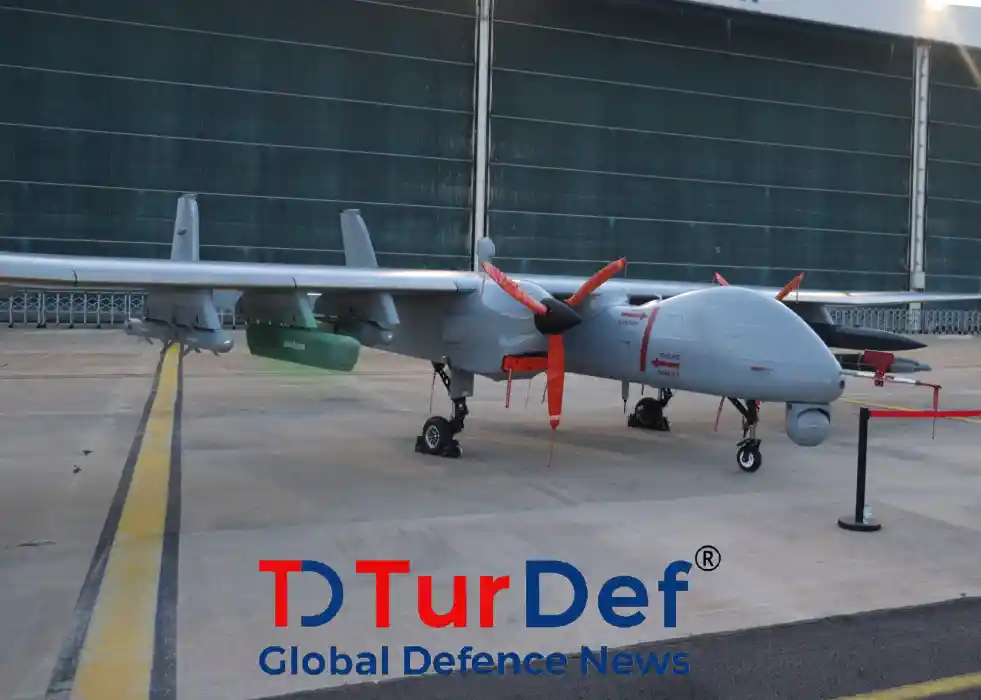
Baykar-Leonardo JV could fill this gap in HALE UCAVs rather quickly by developing an Akıncı UCAV using Leonardo sensors and mission systems.
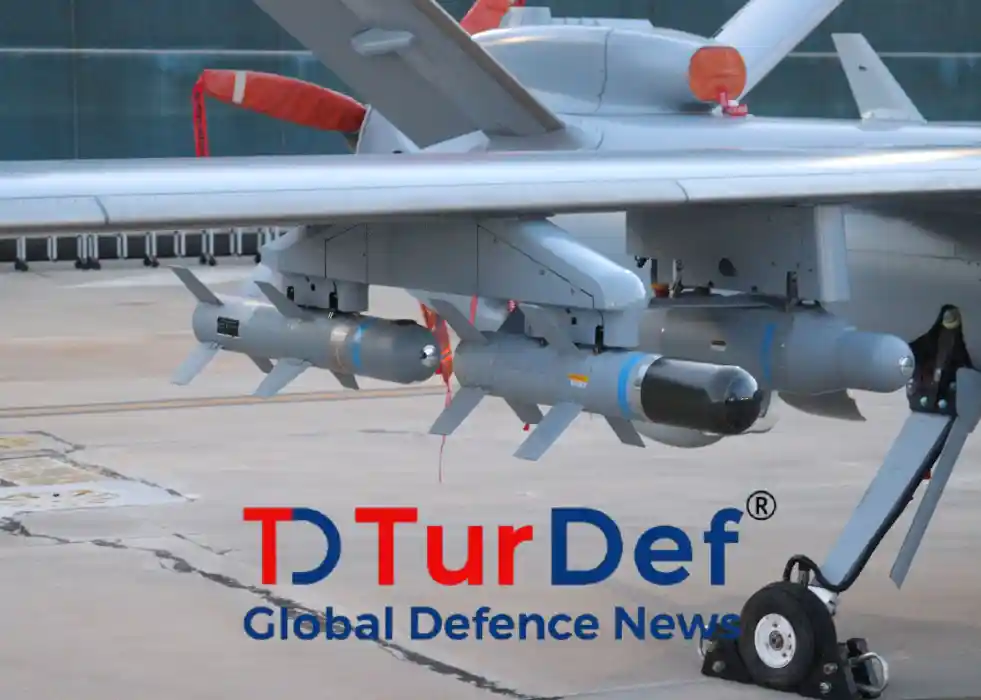
For the Baykar side of this, Akıncı is a platform that has caught a fast wind in exports with nine countries and has seen a wide variety of payload integration. So far, payloads like TOLUN-IIR guided bomb, UAV-230 aeroballistic missile, Çakır cruise missile, and MURAD 100-A AESA radar can be counted as payloads, making the UCAV stand out in its class.
On the other hand, Leonardo’s electronics and sensors (Radars, electro-optics, etc.) are widely used in the European market onboard many different platforms, including helicopters, UAVs, fighter jets, and so on. This makes Leonardo a highly trusted supplier in said area, which is advantageous when the new JV enters the market.
However, this is not the only potential area of cooperation. Leonardo CEO Roberto Cingolani noted that Baykar’s Kızılelma (Or a joint development on the unmanned fighter) could become a loyal wingman for the GCAP programme’s sixth-generation fighter.
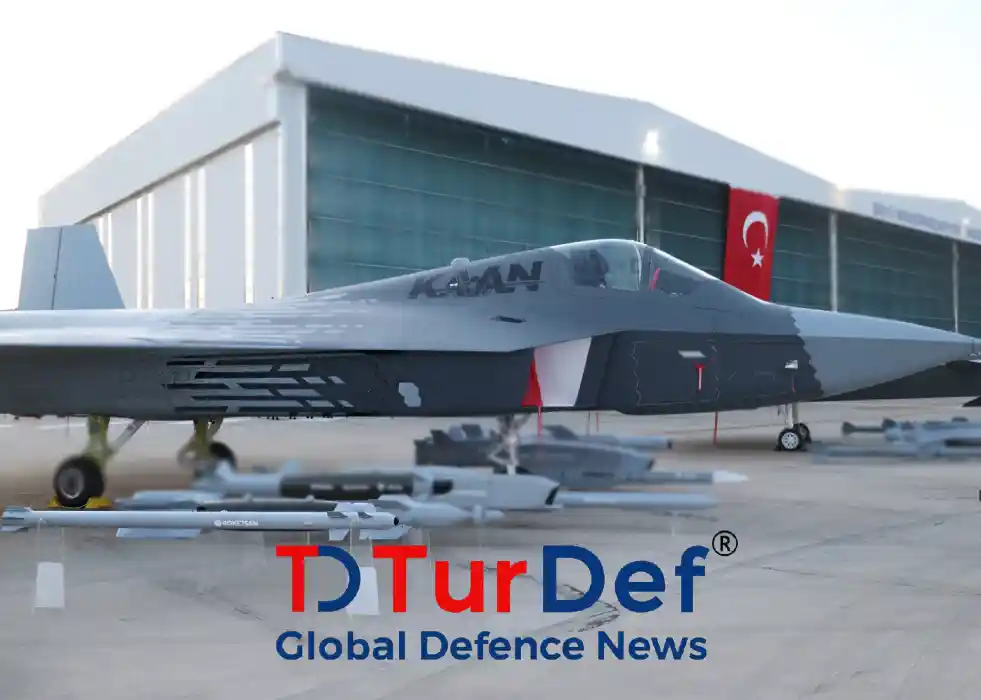
Kızılelma’s fourth prototype recently broke cover. It was produced in a similar configuration to the third prototype, which featured aerodynamic and low observability refinements in addition to the AI-322F series afterburning turbofan to allow supersonic speeds. The layout of Kızılelma is quite in parallel with fighter jets with high agility, a low-observable design that includes internal weapon bays and standard fighter sensors.
Kızılelma will use MURAD 200-A AESA radar, KARAT-100 IRST, and TOYGUN-100 EOTS sensors to target both air and surface targets.
Kızılelma’s development roadmap also includes a twin-engine variant that can more easily reach supersonic speeds, generate more electrical power, and carry more munitions. This variant, also called Kızılelma-C, can keep up with the supercruising fighters of today and tomorrow (like the next-generation fighter to come out of GCAP).
Kızılelma becoming a loyal wingman for GCAP could open doors to further Turkish involvement in the programme, which would have technical and political contributions to Turkiye in the aerospace industry. Currently, the GCAP consortium includes the U.K., Japan, and Italy.
Baykar's board chairman Selçuk Bayraktar declared their expectation from the JV. He said, "With this partnership we are establishing with Leonardo, we will shape the future of AI-powered next-gen unmanned systems worldwide."