Baykar has added a project to its portfolio regarding the conceptual design of an unmanned cargo aircraft on its official site, which will take the Akıncı UCAV as basis.
Baykar has initiated a project titled “Conceptual Design of an Unmanned Cargo Aircraft with Considerations of Alternative Design and Production Methods”. The title indicates a sign that Baykar is exploring the possibilities of alternative platform types after establishing a line of armed UAVs/UCAVs.
The description of the project states that Akıncı UCAV will be taken as the basis for the conceptual design of the unmanned cargo aircraft.
What Could It Look Like?
Akıncı UCAV is Baykar's current heavy-hitter UCAV platform of its UAV line, with an MTOW of 6 tonnes and various engine options, including two 850 hp turboprop engines.
Knowing that Baykar intends to base the design on Akıncı, one might expect a platform that can carry well beyond one ton, as the UCAV can carry 1.5+ tonnes of munitions in its current configuration.
The “Cargo-Akıncı” UAV’s conceptual design will surely involve a new fuselage with generous amounts of empty volume for cargo carriage and a new wing design with a larger area to maximise the lift.
The powerplant might be common with the Akıncı UCAV, with a preference for turboprop engines at the higher end among the options.
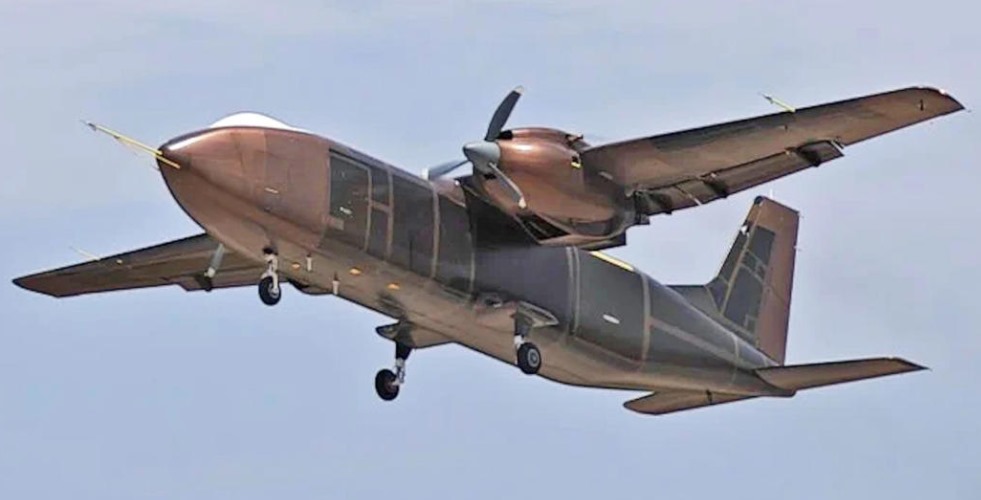 (Chinese unmanned cargo aircraft prototype, capable of carrying two tonnes)
Emergence of Unmanned Cargo Aircraft
Unmanned cargo planes started emerging not too long ago, with a few prototypes being flown by China. While they are smaller than the average manned cargo aircraft, these platforms can carry far larger payloads and reach equally longer ranges when compared to rotary-wing cargo UAVs.
Considering the lower costs and easier operation, unmanned cargo aircraft can bring new options for both military and civilian sectors.
In military use, not every country has a vast fleet of cargo aircraft, which limits the long-range logistic operations in terms of sortie density. These smaller and cheaper platforms can be used for the transport of ammunition, fuel, and other supplies without having to worry about human fatigue, thanks to higher levels of autonomy.
For the civilian sector, unmanned cargo aircraft have the potential to render airborne transport of goods something more reachable. Additionally, disaster relief can benefit from these platforms thanks to lower costs and requirements of operation. However, entry into the civilian sector will require tighter flight safety and navigation capabilities as the civilian use standards are usually higher compared to military ones.