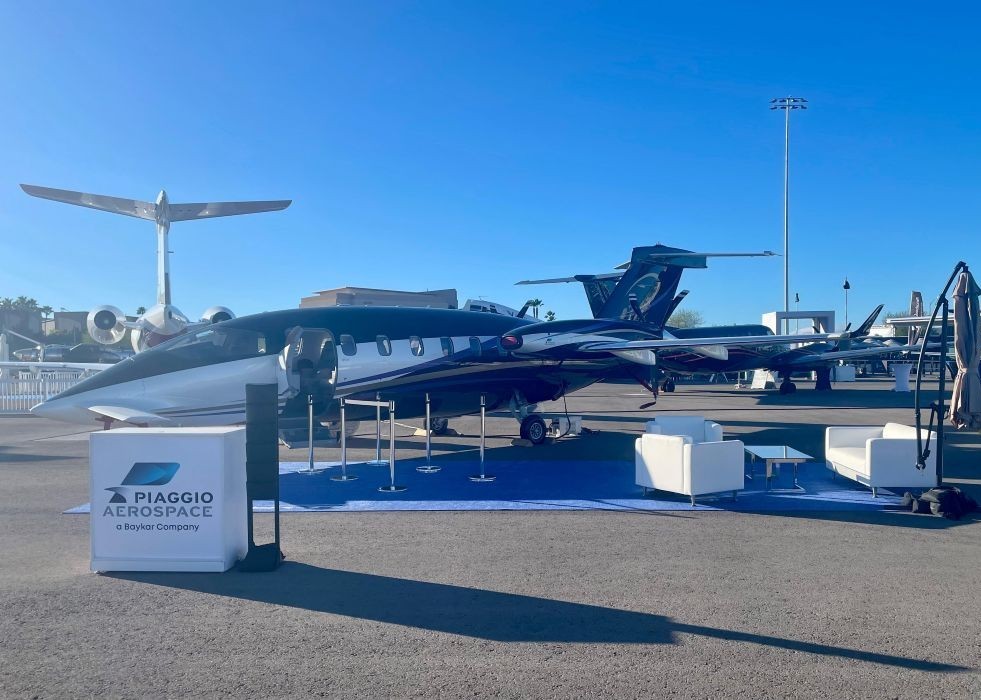
Baykar’s acquisition of Italy’s Piaggio Aerospace is set to open a new phase for the historic aviation firm, with plans covering unmanned aerial vehicle (UAV) production, a sharp ramp-up in P180 Avanti aircraft output, expanded engine component manufacturing and maintenance, and a comprehensive modernisation roadmap culminating in the “Avanti Next” configuration.
Baykar describes the deal not as a financial transaction but as a long-term strategic investment. Speaking in his capacity as Chairman of the Board of Directors of Piaggio Aerospace, Baykar General Manager Haluk Bayraktar underlined that the core logic behind the purchase is the fusion of Piaggio’s more than 140 years of civil aviation experience with Baykar’s global leadership in UAV technologies. According to Bayraktar, combining Turkish and Italian strengths provides a unique industrial advantage and sets the stage for a renewed growth trajectory.
2018 insolvency and the “extraordinary administration” period
Piaggio Aerospace has been in a long-running restructuring and sale process since 2018, when it entered insolvency and was placed under Italy’s extraordinary administration regime. This process is designed to preserve operational continuity while enabling restructuring and eventual transfer of ownership rather than forcing an immediate shutdown. In practical terms, the company continued operating under special administration while prospective buyer processes evolved over multiple years.
Current operations: Avanti production and engine activities
Bayraktar noted that Piaggio Aerospace already maintains several active lines of business, including:
ongoing P180 Avanti manufacturing;
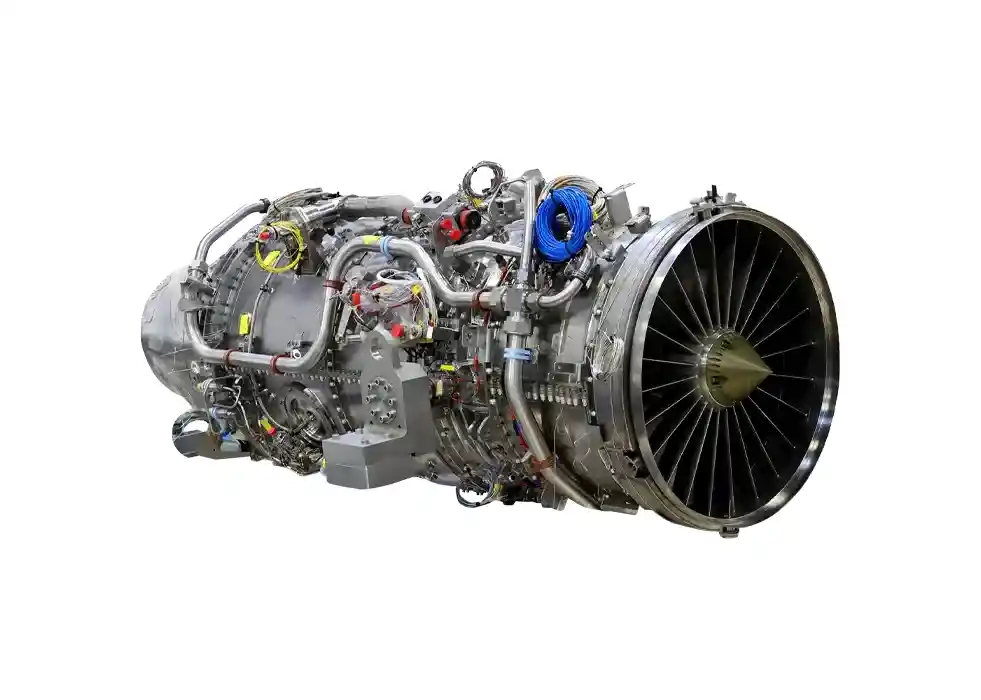
engine component production; and
an established engine maintenance, repair and overhaul (MRO) capability.
He described the P180 Avanti as the world’s fastest turboprop, emphasising its distinctive design and performance. While acknowledging that aircraft production had been kept at low levels for several years, he said Baykar’s broader vision is to revitalise operations and decisively increase output.
Bayraktar stated that Piaggio currently manufactures around 4–5 aircraft per year, but characterised this as temporary. Baykar’s stated target is to raise P180 Avanti output to around 25–30 aircraft annually, arguing that existing facilities, installed infrastructure and supply chain support already provide the baseline capacity to sustain such production levels.
“Avanti Next”: modernisation package and customer-driven upgrades
In parallel, Baykar is preparing what Bayraktar described as a comprehensive modernisation effort intended to make the Avanti platform competitive again. The planned upgrade areas include:
avionics modernisation, notably moving towards Garmin avionics;
renewed and modernised interior design, reflecting Italian aesthetics;
systems updates and enhancements; and
work to extend maintenance intervals and inspection periods.
Bayraktar added that these upgrades, shaped by customer feedback, will culminate in the Avanti Next version, developed through joint work between Baykar and Piaggio engineering teams.
Strengthening global support — with emphasis on the US market
Baykar also plans to significantly invest in after-sales support and global service operations, with a particular focus on the United States, described as the largest and most advanced civil aviation market.
Bayraktar said there are more than 220 P180 aircraft actively flying worldwide, with approximately 100 in the US, around 100 in Europe, and the remainder spread globally. Given that maintenance and support are critical for sustaining fleet confidence, Baykar intends to boost customer service not only in Europe but also across the US.
As part of this plan, Baykar is revitalising agreements with service centres and has recently signed an authorised service centre agreement with Interjet Continental Aerospace. Further authorised repair centre agreements are expected, and the company aims to establish a US logistics hub within a year to shorten response times and increase spare-part availability.
UAV production and localised manufacturing for Europe
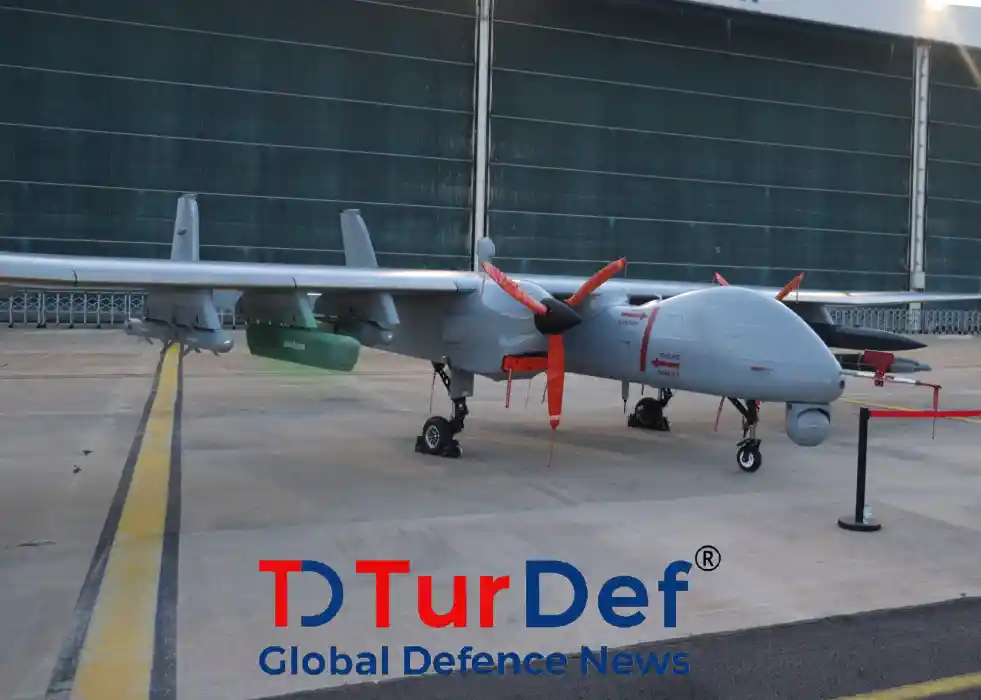
A major element of Baykar’s post-acquisition roadmap is the introduction of UAV production at Piaggio facilities in Italy. Bayraktar stated that the existing infrastructure is suitable for UAV manufacturing and indicated that, under a continuing joint venture framework with Leonardo, Baykar aims to localise production in Italy to meet European needs, including certification processes and regional market access.
Engine expansion and the F-35/F135 supply-chain link
Beyond aircraft assembly, Baykar intends to expand Piaggio’s engine-related capabilities through investments in machinery and equipment, with the goal of raising both engine parts production and MRO capacity.
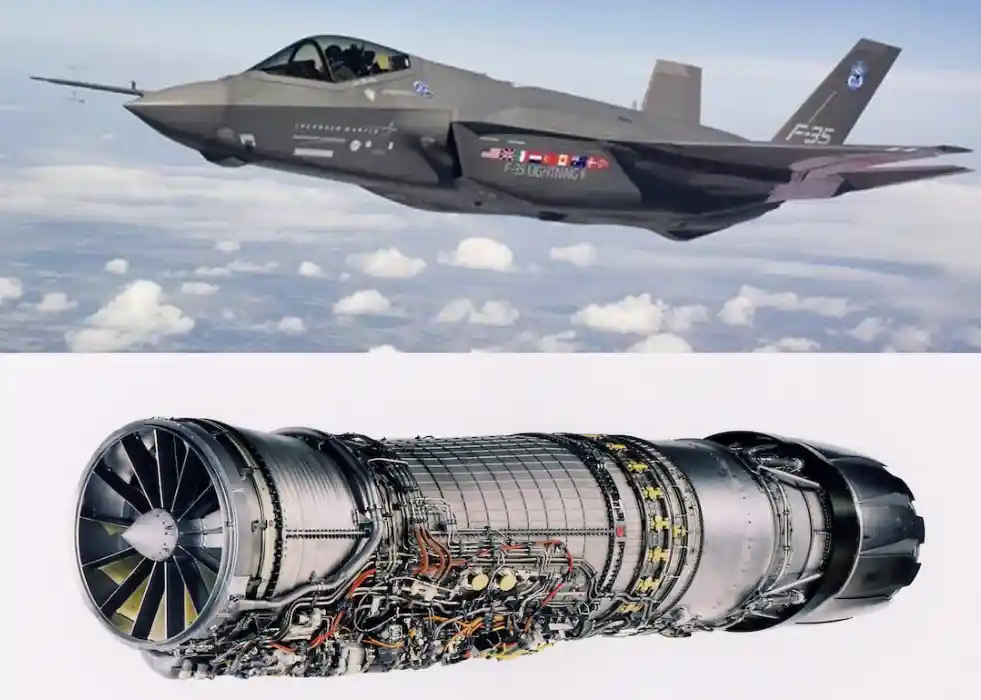
Crucially, Piaggio Aerospace has historically been linked to the F-35 programme through component work for the Pratt & Whitney F135 engine. The company has produced parts for the engine in the past, and Piaggio continues to reference F135-related production activity within its engine portfolio. Baykar’s planned capability expansion would therefore take place in a context where Piaggio’s engine business has previously been associated with one of the most significant military aero-engine supply chains in the Western defence-industrial ecosystem.
Author: Özgür Ekşi