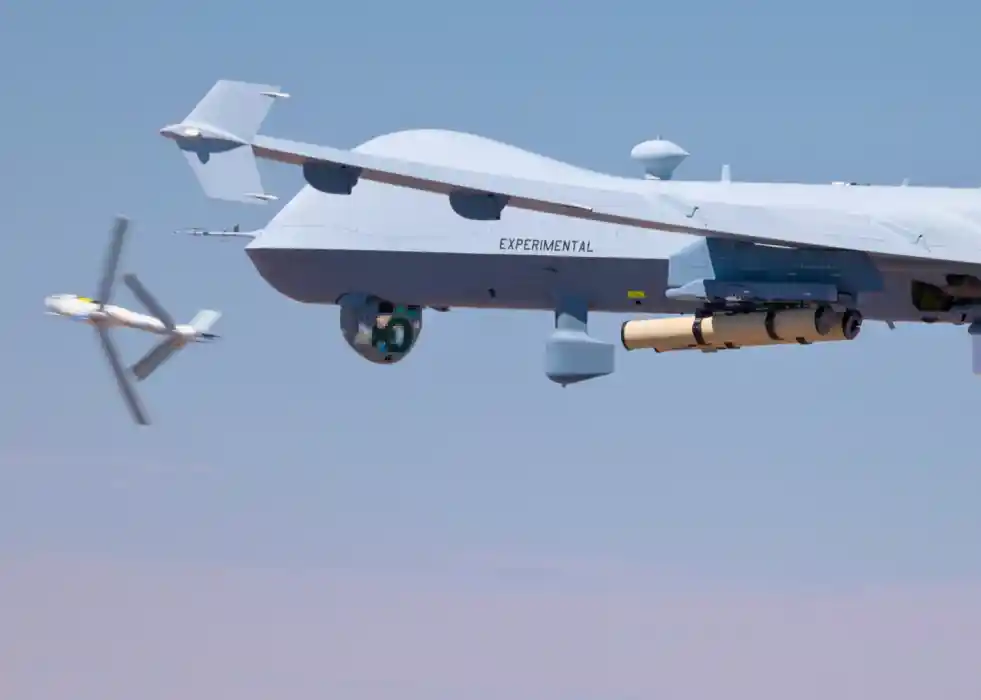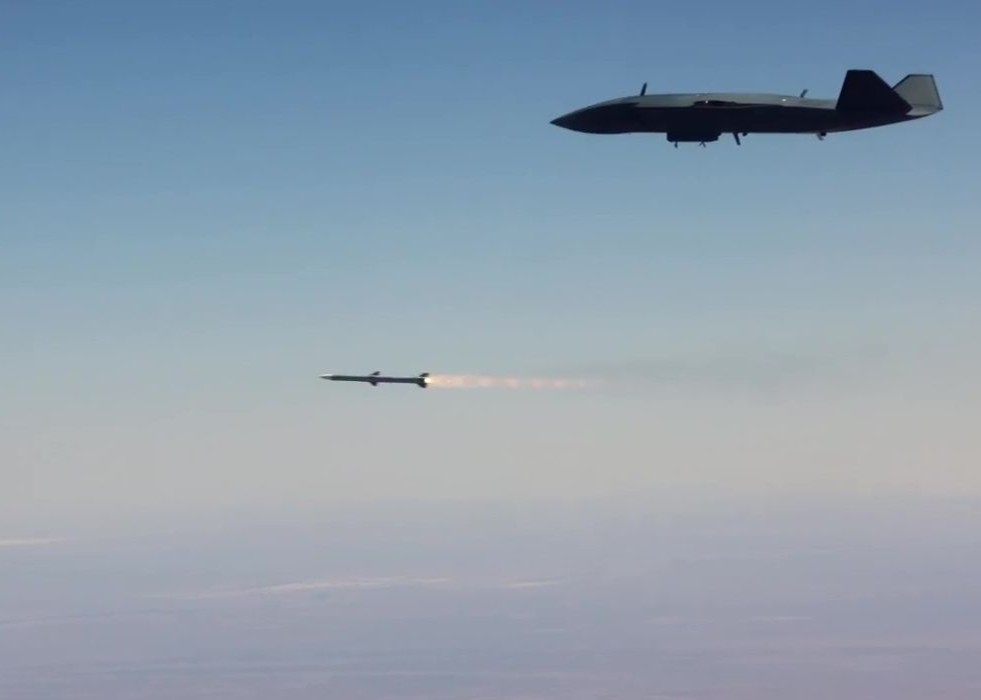
Boeing Australia announced that the MQ-28 Ghost Bat, together with an E-7A Wedgetail and an F/A-18F Super Hornet, “successfully demonstrated an autonomous air-to-air weapon engagement.” The company presented the event as evidence of combat readiness because the autonomous asset protects crewed aircraft while extending operational boundaries.
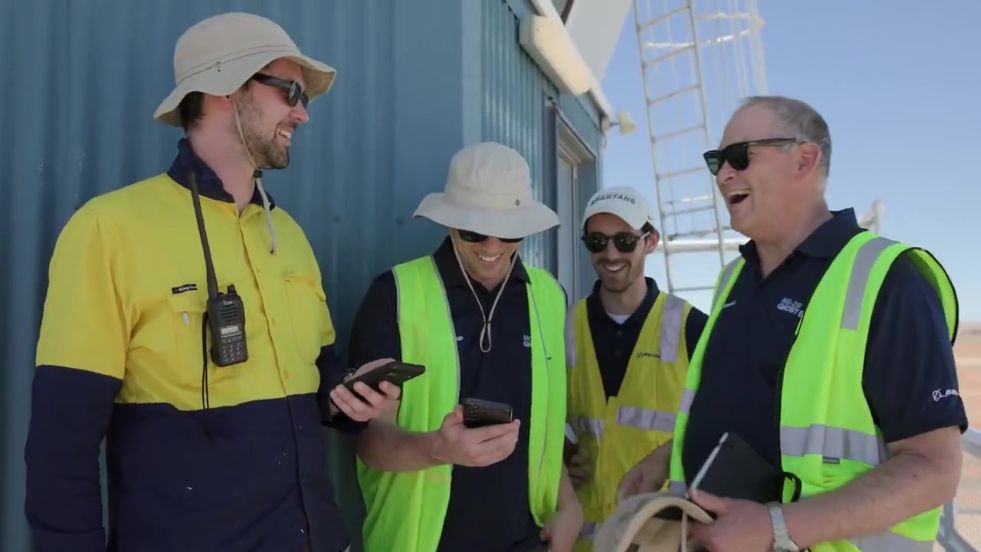
The announcement contains unclear language and insufficient visual evidence which raises multiple operational and technical concerns about whether the test involved actual weapon engagement or displayed only the engagement sequence without impact. The video shows personnel congratulating each other but does not show the target being hit which forces observers to rely on inference for success verification.
A core uncertainty lies in whether the MQ-28 used its own radar to detect, track or support the engagement. Boeing Australia has previously highlighted the platform’s modular nose section, which could host future sensors, but has never confirmed a functioning air-to-air radar on test aircraft. So far, publicly available pictures of the MQ-28 do not show a radar antenna, and there has been no announcement of a test campaign that displays radar-based target identification. The MQ-28 couldn't have found or attacked a target on its own if it didn't have working radar.
This leads to a second key question: whether the E-7A Wedgetail performed target detection, tracking and data dissemination to the MQ-28. Such a data-linked engagement is technically feasible but contradicts the claim of autonomy. In this case, the MQ-28 would not be making judgements based on sensor data. Instead, it would be following an engagement profile based on information from a crewed airborne early-warning aircraft.
This dependence also raises strategic concerns. The Wedgetail is a large, non-stealthy 737-based platform whose survivability depends on operating well outside contested airspace. If the MQ-28’s engagement logic requires it to remain within the E-7A’s radar support envelope, the assertion that the unmanned system “reduces risk for crewed aircraft” becomes questionable. Instead of moving crewed assets farther from harm, such a concept could unintentionally draw a high-value aircraft closer to the battlespace.
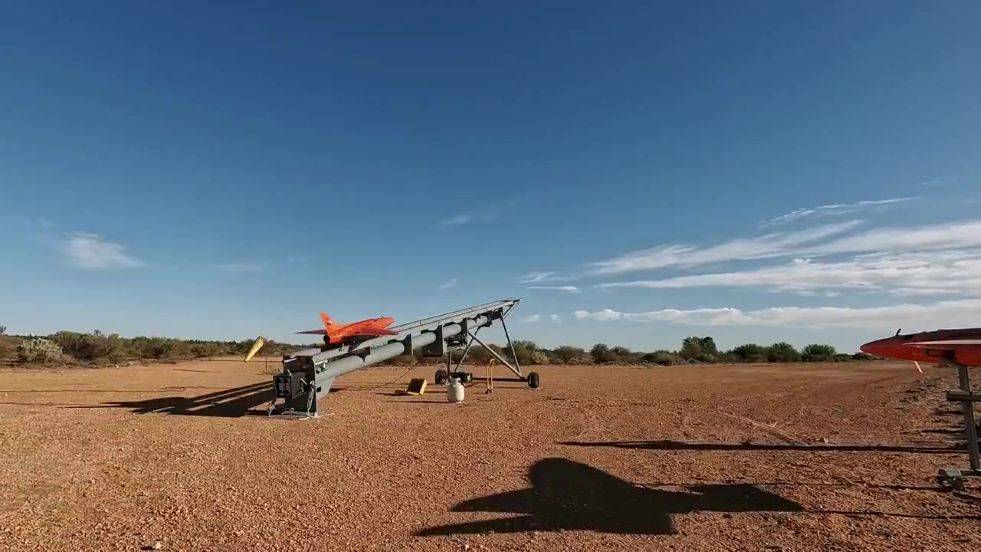
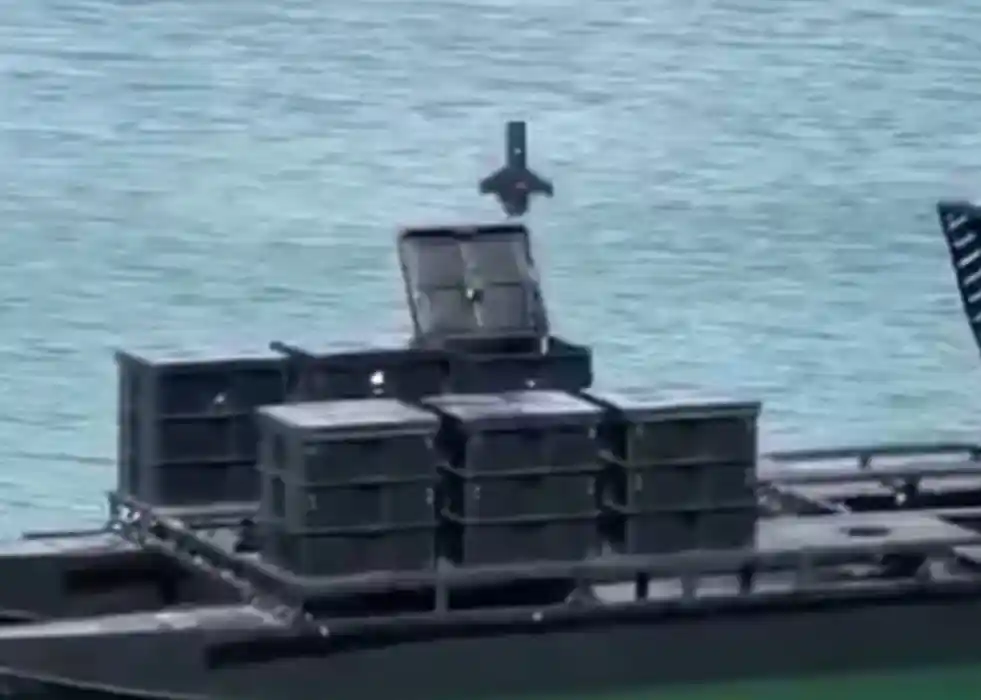
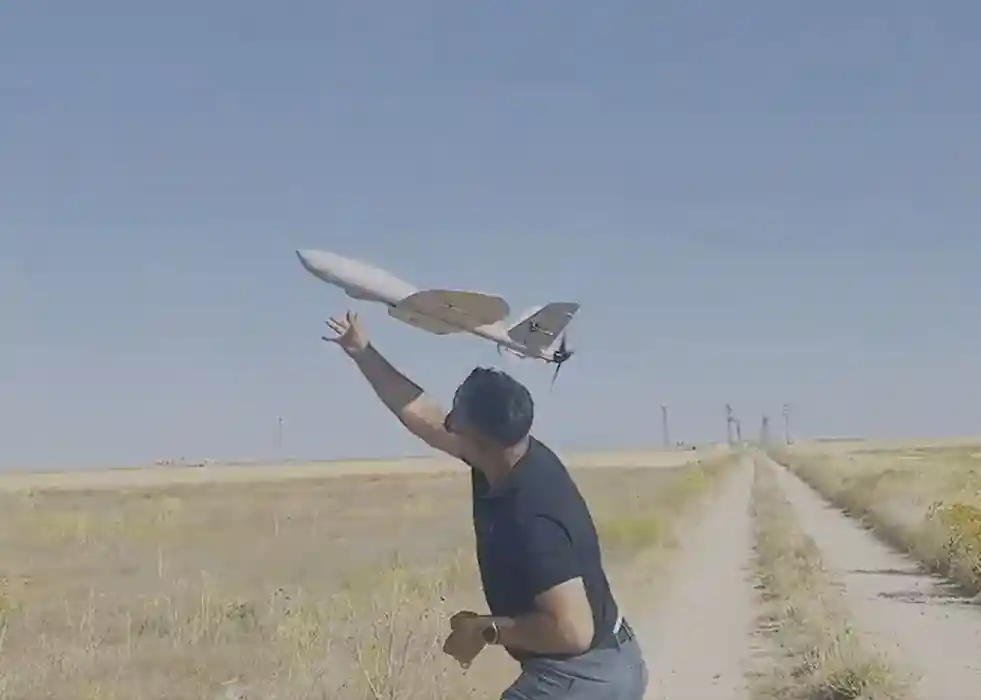
The demonstration video includes a target drone visually similar to the one used in Türkiye’s Kızılelma test sequence, although the Australian footage avoids showing any terminal event. While conceptual parallels exist, the MQ-28 test stops short of the live-fire realism demonstrated by Türkiye’s programme, which publicly displayed manoeuvring, approach geometry and engagement sequencing.
Because of these unknowns, Boeing's usage of the term "combat capability" seems too early. At this point, the evidence we have points to a demonstration of the engagement procedure instead of a proven, sensor-independent autonomous air-to-air intercept. Key parts, such as weapon release, target impact, autonomous sensor utilisation, and platform-level certification, are still not guaranteed.
The MQ-28 Ghost Bat is still an ambitious loyal-wingman program, but the current statement makes it obvious that the platform has to be more technically open as it moves towards real operational maturity.
TurDef Technical Assessment: Loyal Wingman Expectations vs MQ-28 Demonstration
In mature loyal-wingman concepts, unmanned platforms are expected to operate with:
Sensor independence, including their own radar/ESM suite;
Autonomous threat evaluation and a self-generated tactical picture;
Independent engage/no-engage decision-making under defined ROE;
Attritable mission logic, taking risk away from crewed aircraft rather than pushing high-value platforms closer to the threat;
Minimal dependence on AEW&C assets during dynamic engagements; and
Verified, observable weapons employment validating the autonomy chain end-to-end.
The MQ-28 test, as presented, does not yet point to these doctrinal expectations. Instead, it suggests a concept-demonstration level activity supported by an E-7A, rather than the autonomous combat behaviour loyal-wingman programmes are ultimately designed to achieve. For this reason, TurDef assesses Boeing’s announcement as a communication-oriented PR event rather than a validated milestone in unmanned autonomy, and notes that this appears to be the second such PR activity following the U.S. Air Force’s recent receipt of the T-7A Red Hawk.
Author: Özgür Ekşi