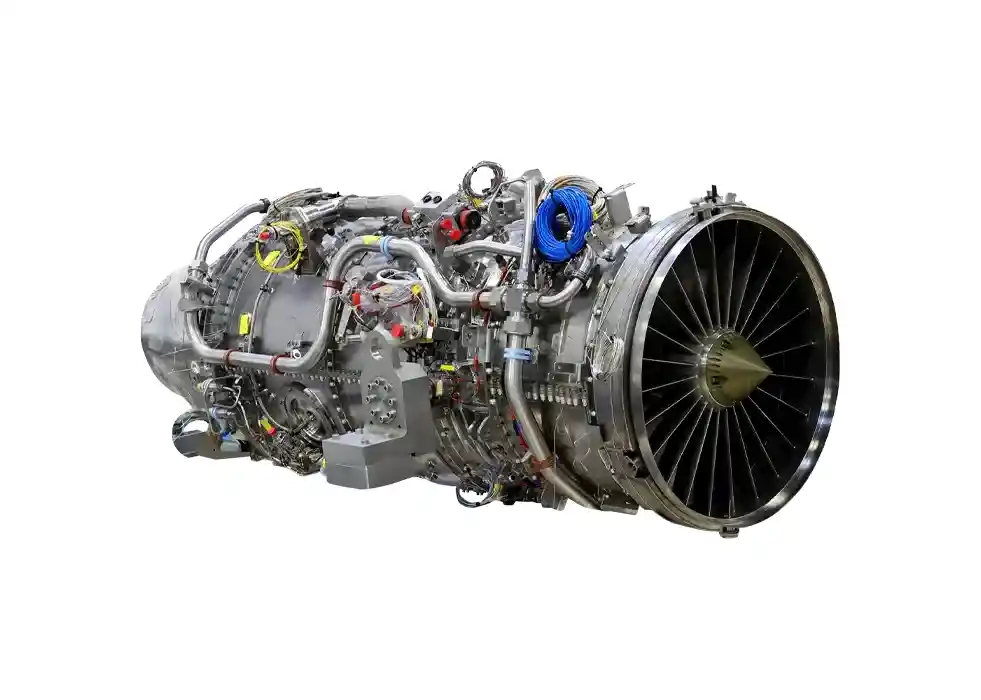
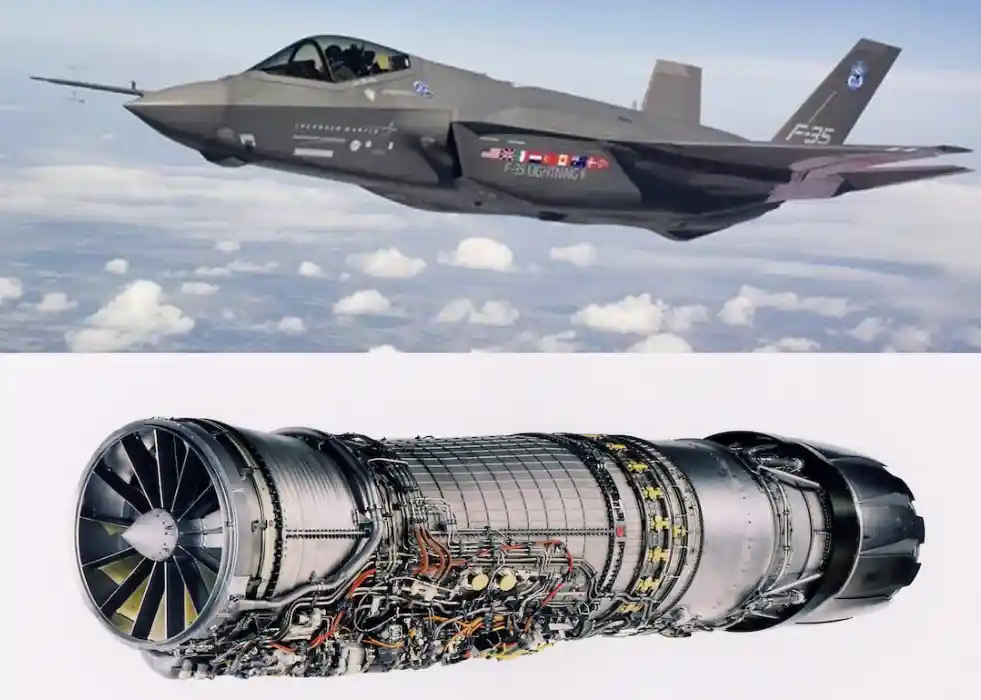
With Sweden's Saab verifying talks on the JAS 39 Gripen E/F fighter, Canada and Portugal are said to be considering substitutes for the F-35A Lightning II. Saab CEO Micael Johansson told Swedish media that both nations are considering whether to buy the Gripen, indicating a possible change in their policies for acquiring combat planes.
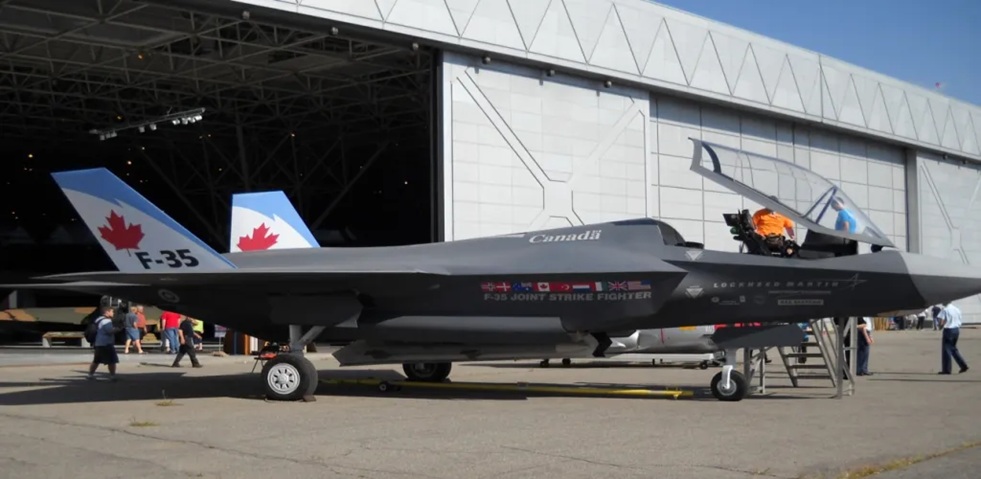
His remarks follow closely after Nuno Melo, Portuguese defence minister, publicly voiced concerns about buying the F-35A from US defence behemoth Lockheed Martin. Canadian authorities, on the other hand, informed Euronews Next that they had started an official study of the F-35A project. They made clear, nevertheless, that at this point no ultimate choice to terminate the deal has been taken.
Both NATO allies, Portugal and Canada, show interest in the Gripen indicating rising worries about cost, industry involvement, and long-term operational flexibility linked with the F-35 program. Often mentioned as a reasonably priced, compatible substitute that still satisfies NATO criteria, Saab's Gripen E/F is not part of the F-35 collaboration.
Should any nation go on with a Gripen purchase, it will be a significant diplomatic and industrial victory for Sweden and a significant departure from the present F-35 adoption pattern throughout the alliance.
Background: Strained Relations Between Portugal and the Trump Administration
The increasing doubt in Portugal over the F-35A project might possibly be related to more general diplomatic strains between Lisbon and the US President Donald Trump. This discomfort has been caused by several important elements:
• NATO Burden-Sharing Dispute:
Trump railed against NATO partners, notably Portugal, during his administration for not reaching the alliance's defence expenditure goal of 2% of GDP. He charged nations like Portugal of "free-riding" on American security assurances, therefore aggravating relations with governments which saw such statements as politically harmful.
• China–Portugal Economic Ties:
Particularly via infrastructure expenditures in ports—especially the Port of Sines—and the energy industry, Portugal has kept and grown critical economic ties with China. The Trump administration pushed Lisbon to limit collaboration in these industries, particularly in critical ones like 5G telecommunications where Huawei was involved, since it saw Chinese penetration in these sectors with great concern.
• Multilateralism vs. America First:
While Trump followed a one-sided "America First" policy, removing the US from worldwide agreements, Portugal has always supported multilateralism and strong backing for projects like the Paris Climate Agreement. This ideological difference increased the distance between the foreign policy goals of both nations.
• Cultural and Political Disconnect:
Trump's leadership style and language, especially on human rights, immigration, and the media, were sometimes at variance with Portugal's political culture. In Portuguese political circles, these disparities helped to create a common impression that Trump-era actions were erratic and out of line with European ideals.
Canada–Trump Tensions: Defence, Trade, and Political Frictions
Canada’s reassessment of the F-35A may also reflect lingering tensions from the Trump era, when relations between Ottawa and Washington experienced notable strain across multiple domains:
• Defence Spending and NATO Criticism:
Canada's F-35A review might also indicate ongoing Trump-era difficulties, when ties between Ottawa and Washington D.C. suffered significant stress in several areas.
Like other NATO countries, Trump derided Canada for not reaching the 2% of GDP military spending goal of the alliance. Trump rejected Canada's claims that it was contributing to NATO operations and training activities as insufficient and often challenged NATO's own worth, which made Canadian defence strategists uncomfortable.
• Trade Disputes and Tariffs:
Citing national security reasons under Section 232, Trump's government levied tariffs on Canadian steel and aluminium in 2018. The action set up a reaction from Ottawa and started one of the most major trade conflicts between the two nations in recent history. Though finally settled, the incident eroded confidence and strengthened the impression that erratic US policy changes may jeopardise Canada’s economic and security concerns.
• Personal Frictions with Trudeau:
The personal relations between Trump and Canadian Prime Minister Justin Trudeau was especially tense. After the G7 Summit in Quebec in 2018, Trump openly attacked Trudeau several times, labelling him "weak" and "dishonest." This atypical discourse between close peers damaged diplomatic goodwill even further and affected Canadian public opinion on the dependability of US promises.
• Territorial Controversy and Public Backlash:
In 2023, political memoirs and insider accounts among other sources exposed Trump's private comments advocating for the "should belong to the United States" status of northern Alberta and Yukon among other areas. Though not official policy, these comments caused diplomatic concern and criticism in Canadian political and media circles. Even rhetorically, the concept of redrawing boundaries was viewed as rather inflammatory and at odds with the standards of US–Canada relations.
• Climate and Multilateralism Divergences:
Much like Portugal, Canada kept its dedication to worldwide multilateral treaties like the Paris Climate Accord, from which Trump left. The two nations' strong disagreements on climate policy, immigration, and world governance underlined current political tensions.
Author: Özgür Ekşi