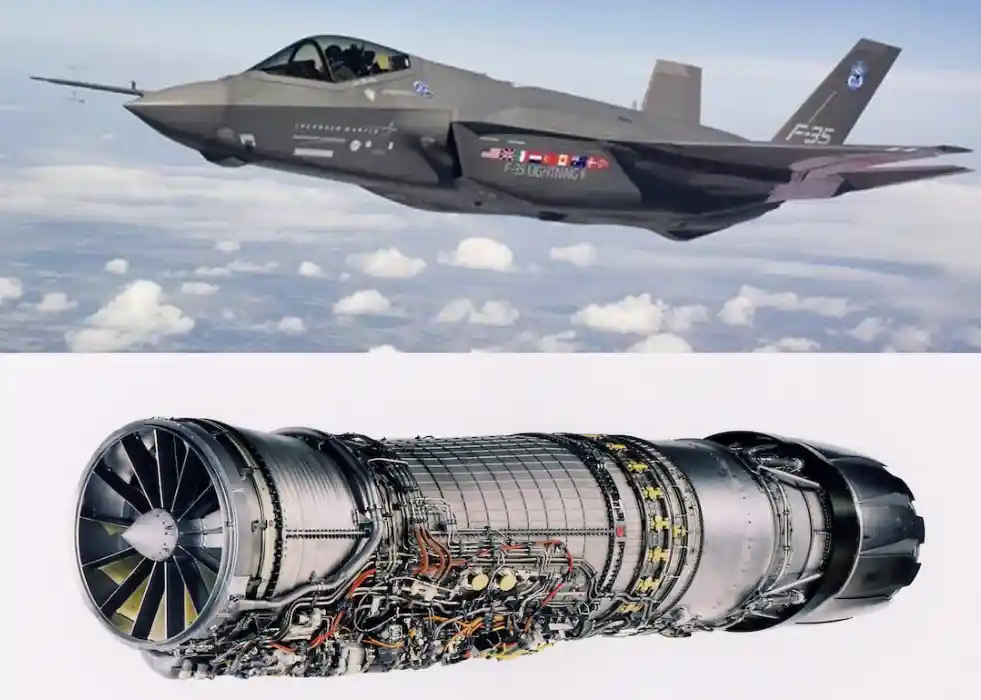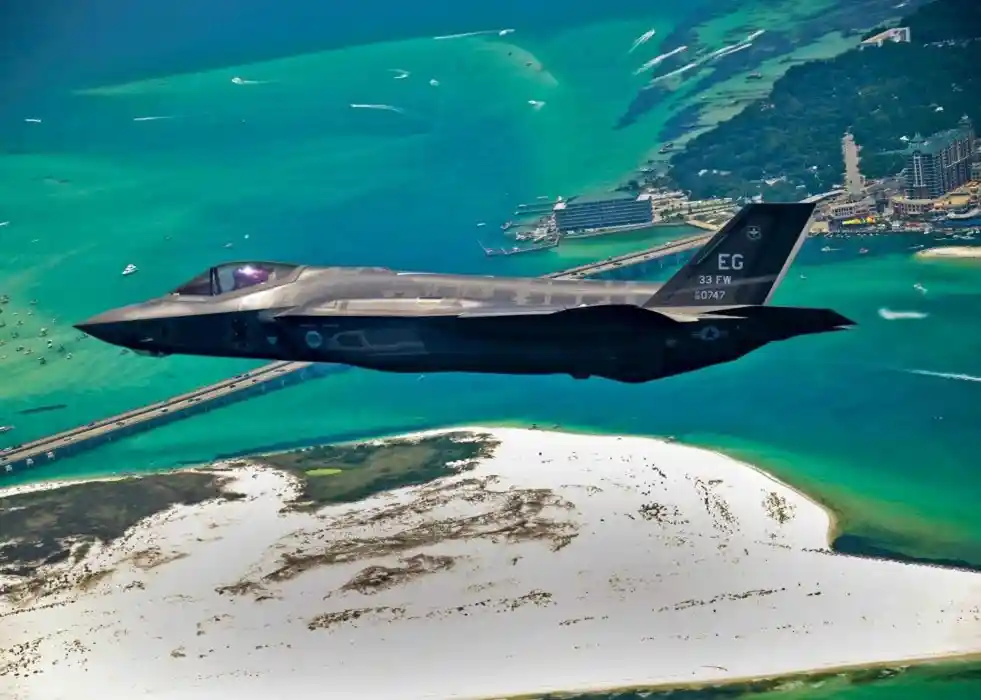
As Germany advocates anti-F-35 campaigns and Portugal investigates other fighter alternatives, Canada reevaluates its F-35 purchase amid US concerns.
Murray Brewster's CBC News article exposed Canada's ongoing review of its F-35 program's commitment. Especially under the Trump administration, the study emphasises rising worries inside the Canadian government about the long-term dependability of the United States as a defence partner.
Political Issues and Rising Resistance
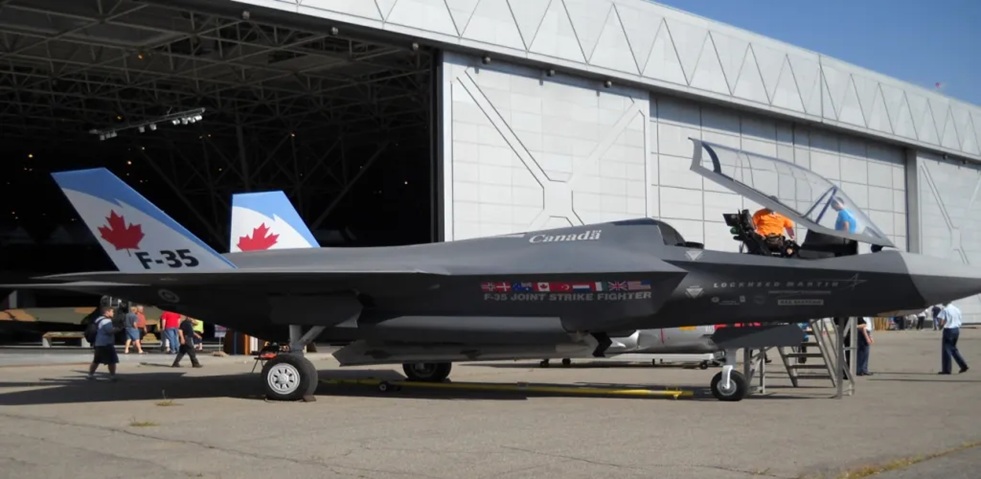
Allies of the United States have criticised it as President Donald Trump's policies cause anxiety among NATO members. Feeling the effects of US tariff threats and a political change in Washington, Canada assesses whether its national interests match its dedication to the $19 billion F-35 contract.
Recent events, especially the White House's chilly welcome of Ukrainian President Volodymyr Zelensky, have stoked doubts about American dependability. This attitude has shaped the rising anti-F-35 movement in Germany and caused Portugal to rethink its fighter jet purchase.
Canada's Long-standing Uncertainty
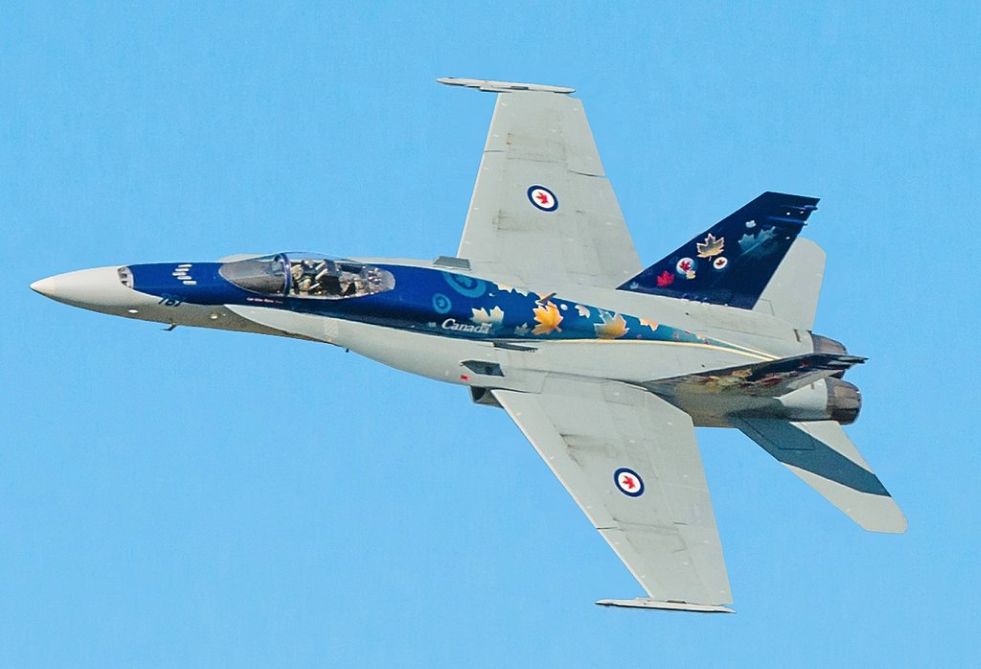
Since the Parliamentary Budget Officer (PBO) report was published in 2012, Canada has slowly replaced its CF-18 fighter planes with F-35 aviators. Finally, the US government came to an understanding with Lockheed Martin regarding the 2023 purchase of 88 F-35 fighters. Paid in full, the first sixteen aircraft were supposed to be delivered the next year. Years of debating preceded this accord.
Meanwhile, Defence Minister Bill Blair indicated that Canada may choose only European substitutes partially.
Super Hornet (F/A-18E/F), Eurofighter Typhoon and Rafale fighters were considered alternatives in the past. Sweden's Saab Gripen might also be a realistic choice among the candidates as it provides local assembly and a technology transfer package to improve Canada's military sector.
A Change in Canada's Defence Strategy?
The Canadian military has traditionally rejected a mixed-fleet strategy, claiming that running several aircraft types adds logistical complexity and expense. However, Canada might start diversifying its fleet as European countries rethink their reliance on US military assets and change global security dynamics.