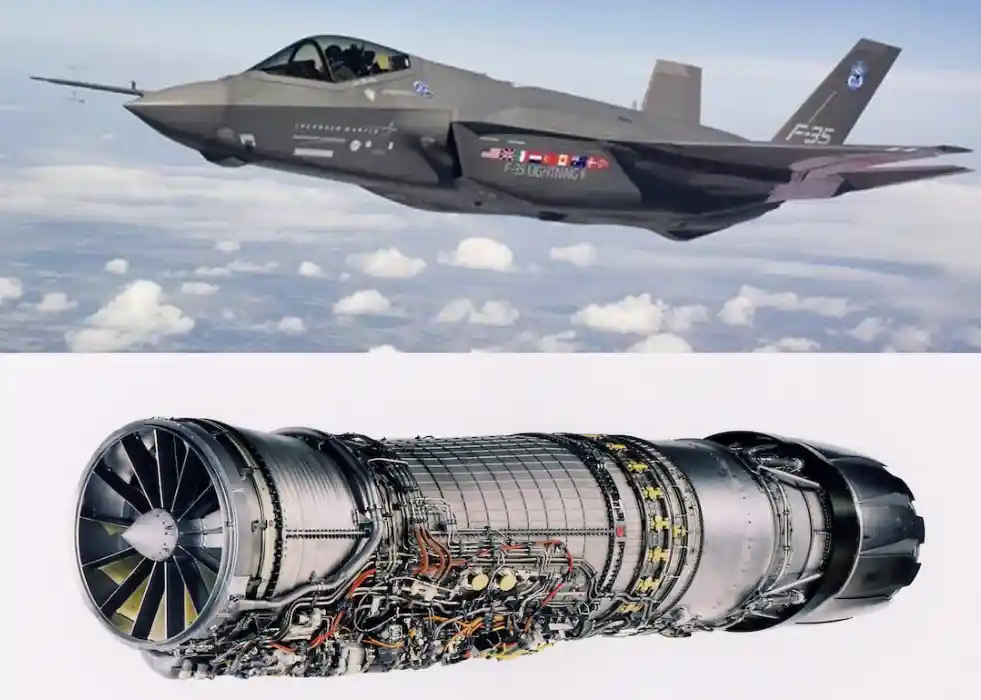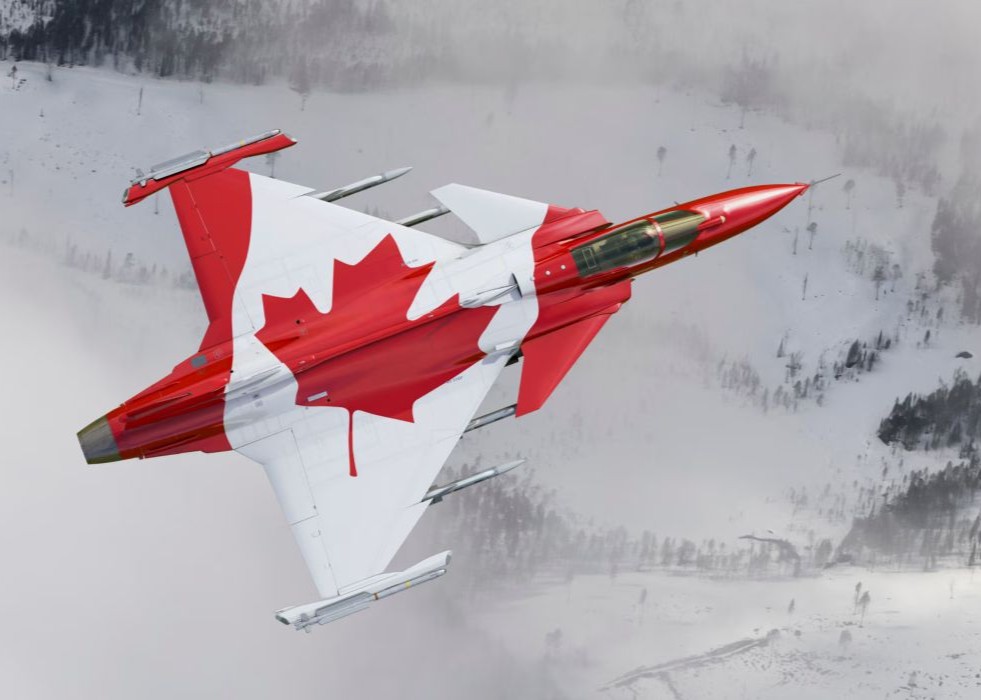
Canada is reportedly considering a significant revision to its future fighter fleet structure, with a mixed Saab Gripen E/F and F-35A force emerging as a potential alternative to its existing plan for 88 F-35s.
According to a report published by Canadian newspaper La Presse on 30 May, Ottawa is examining a scenario that would retain approximately 30 F-35As while acquiring around 60 Gripen E/F fighters. Canadian authorities have not confirmed the figures, and the government continues to describe the fighter programme as being under review.
While the report remains unconfirmed, the discussion itself highlights a broader strategic debate extending well beyond aircraft procurement.
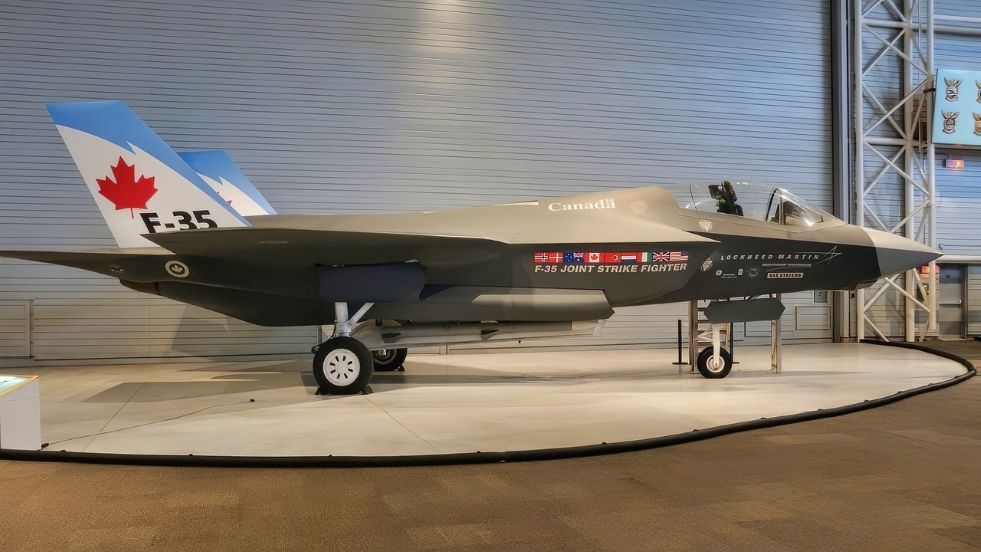
Canada signed a contract for 88 F-35A fighters in 2023 to replace its CF-18 Hornet fleet. As a founding member of the North American Aerospace Defense Command (NORAD), Canada's combat aviation force forms an integral part of the joint US-Canadian air defence architecture responsible for monitoring and defending North American airspace.
For that reason, any change to Canada's fighter plans carries implications beyond national defence planning.
Unlike many military acquisitions, fighter aircraft programmes typically create strategic relationships that last decades.
Training systems, maintenance infrastructure, software updates, weapons integration, logistics networks and operational concepts often remain intertwined with the supplier nation throughout the service life of the aircraft.
Ottawa's review also comes amid broader questions regarding long-term dependence on US defence systems. Recent political and economic tensions between Canada and the United States, combined with wider debates across Europe over sovereign control of military capabilities, have brought strategic autonomy considerations into fighter procurement discussions. While Canadian officials have not directly linked those developments to the fighter review, the issue has become increasingly visible in defence and policy circles.
In Europe, public discussion surrounding the F-35 programme intensified after concerns emerged regarding long-term operational dependence on US-controlled software, mission data and support infrastructure. The debate gained particular visibility in Germany, where discussion of a possible F-35 "kill switch" became a symbol of wider concerns regarding sovereign control of advanced military capabilities. Although such claims have not been substantiated and have been repeatedly rejected by programme officials, the controversy helped bring those questions into the public domain.
Several countries have reassessed their future combat aviation plans from different perspectives. Portugal has openly cited changing geopolitical circumstances while reviewing its fighter options, while Spain has continued to prioritise European programmes such as Eurofighter and the Future Combat Air System (FCAS), reflecting wider efforts to strengthen European defence-industrial autonomy.
The discussion has gained additional attention following Canada's recent selection of Saab's GlobalEye airborne early warning and control aircraft. The decision further strengthened perceptions that Swedish defence solutions are receiving increased consideration within Canada's future force structure.
The reported structure would effectively preserve a limited fifth-generation capability while shifting a larger share of routine missions to a less costly platform.
The reported proposal would not replace the F-35 entirely. Instead, it would create a mixed fleet in which F-35s would likely perform the most demanding NORAD missions while Gripens assumed a larger share of routine sovereignty and Arctic operations, reflecting a balance between capability and affordability.
Author: Özgür Ekşi