NATO is preparing for what Mark Rutte has called its 3.0 era. This new phase is not only about Europe spending more on defence. It is about bringing defence industry into the core architecture of Allied deterrence.
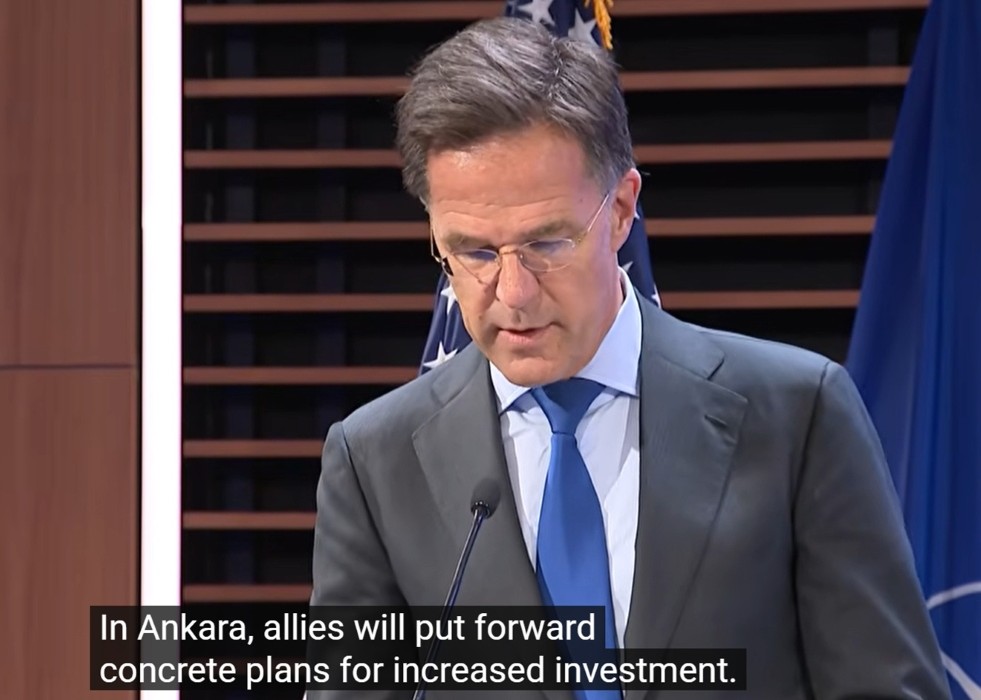
Mark Rutte’s Washington speech ahead of the NATO Summit in Ankara has largely been read through the familiar lens of burden sharing. Yet the more important shift is industrial. For decades, NATO spoke the language of collective defence while defence industry remained largely national. Armies were expected to fight together, but the industrial systems behind them were often fragmented, guarded and shaped by national reflexes.
That model worked as long as NATO’s conventional deterrence rested heavily on the United States. Russia’s war against Ukraine has ended that comfort. Ammunition shortages, air defence gaps, drone warfare, repair capacity, supply chains and production tempo have shown that deterrence is not generated only by force posture. It is also produced by factories, engineers, subcontractors, software teams, logistics networks and the ability to sustain output under pressure.
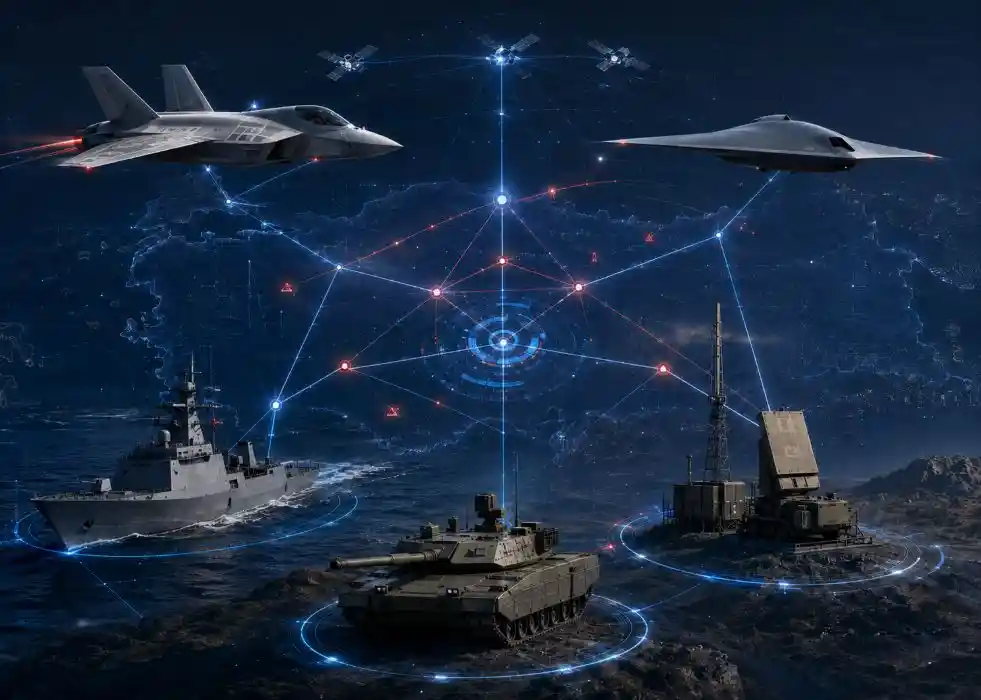
This is the real meaning of Rutte’s “defence industrial revolution”. The phrase may borrow some of the language of Industry 4.0, but in NATO’s case it points to a harder reality: connectivity, production depth, software, supply chains and speed are now part of deterrence.
It is not simply a call for higher spending. It is a call to reorganise the relationship between military planning and industrial capacity. NATO can no longer plan defence on paper and assume that national industries will somehow deliver the required capabilities, at the required speed and at the required scale.
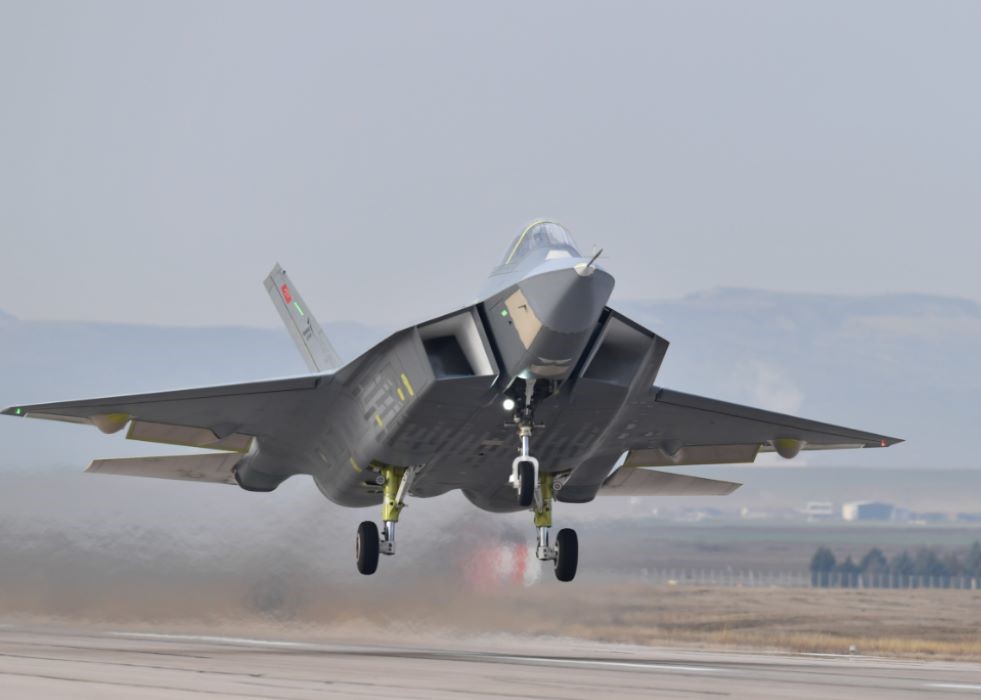
From Ankara, this sounds familiar. Turkiye began its own defence industrial transformation not because it was fashionable, but because dependency had become a strategic vulnerability. Arms embargoes, export restrictions, delayed approvals, political conditions and technology limits pushed Ankara into a long search for autonomy.
In NATO 3.0, that experience now looks less like an exception and more like early adaptation to the world the Alliance is entering. Turkiye’s advantage is not simply that it has defence companies. Many countries do. The deeper advantage is that Turkiye has built an ecosystem of engineers, technicians, suppliers, software developers, electronics houses, ammunition producers, platform manufacturers and operational users.
That ecosystem cannot be created instantly by raising a budget line. Money matters, but money alone does not generate experience, skilled labour, production discipline, design confidence or supplier depth overnight. Europe can decide to spend more, but it cannot immediately manufacture the industrial habits that should have been built over decades.
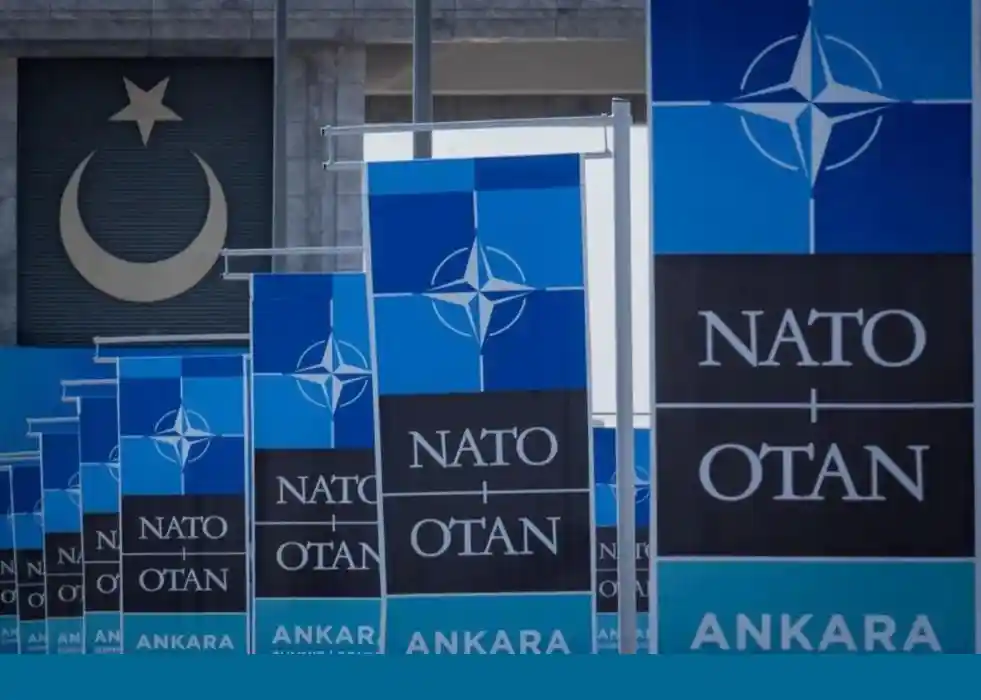
That is why Ankara is not a symbolic venue for this summit. It is a message. NATO is discussing a future in which industrial capacity becomes part of deterrence, and Turkiye is one of the allies that has already treated defence industry as a strategic instrument. Rutte’s reference to ASELSAN mattered because it signalled that Turkiye’s defence industrial revolution is no longer only a national story. It is entering NATO’s collective calculation.
Interdependence Rewritten
This also rewrites the meaning of interdependence. After the Second World War, European integration was built on the idea that states deeply dependent on one another would find war among themselves irrational. Coal, steel, infrastructure, trade, finance and institutions were tied together so that harming the other would also mean harming oneself. Interdependence became Europe’s peace mechanism.
NATO 3.0 applies a military-industrial version of that logic. This time, interdependence is not about preventing conflict among allies, but about making them indispensable to one another against external threats. The old model was dependency: one side provided security, others consumed it. The new model can only work if it becomes genuine interdependence, with allies contributing real capability, production capacity, resilience and strategic value.
The Hague commitment to reach 5 percent of GDP by 2035 supports this wider reading. The split between core defence spending and defence-related resilience shows that NATO is no longer thinking only in terms of platforms and munitions. It is also thinking about cyber networks, civil preparedness, critical infrastructure, logistics, innovation and industrial depth.
This is also why Turkiye’s role matters. Turkiye connects NATO’s eastern, southern, Black Sea, Mediterranean, Middle Eastern and Caucasus security environments. Yet geography alone does not explain its role. The country has combined location with military capacity and defence industrial maturity. It is not only close to crises; it produces capabilities relevant to them.
For NATO 3.0, this is not a peripheral issue. It is a validation of a strategic path Turkiye began years ago. The Alliance is now discovering that sovereignty in defence industry does not have to contradict collective defence. On the contrary, strong national industrial bases can become the foundation of a more resilient Allied interdependence, provided they are treated as equal contributors rather than peripheral suppliers.
The test will be political. NATO cannot credibly speak of common industrial power while allies continue to impose restrictions, exclusions or selective access on one another. A stronger Europe in a stronger NATO cannot become a closed European club inside the Alliance. If NATO 3.0 is to mean anything, it must build a broader Allied industrial network stretching from California to Ankara, from established primes to new technology firms, and from traditional defence producers to countries that have built capability through necessity.
NATO 3.0 will succeed only if it moves beyond burden sharing and becomes power sharing. Deterrence in the next era will not be built only by increasing budgets or moving forces. It will be built by turning national industrial strength into Allied interdependence. Ankara is where that idea stops being theory and becomes the measure of NATO’s future.
Author: Özgür Ekşi