As Türkiye and Brazil explore new avenues for defence cooperation, a recent article published in Portuguese by Brazilian defence outlet Tecnologia & Defesa* (Tecnodefesa) has drawn attention to a widening gap between European and Turkish approaches to unmanned aerial systems.
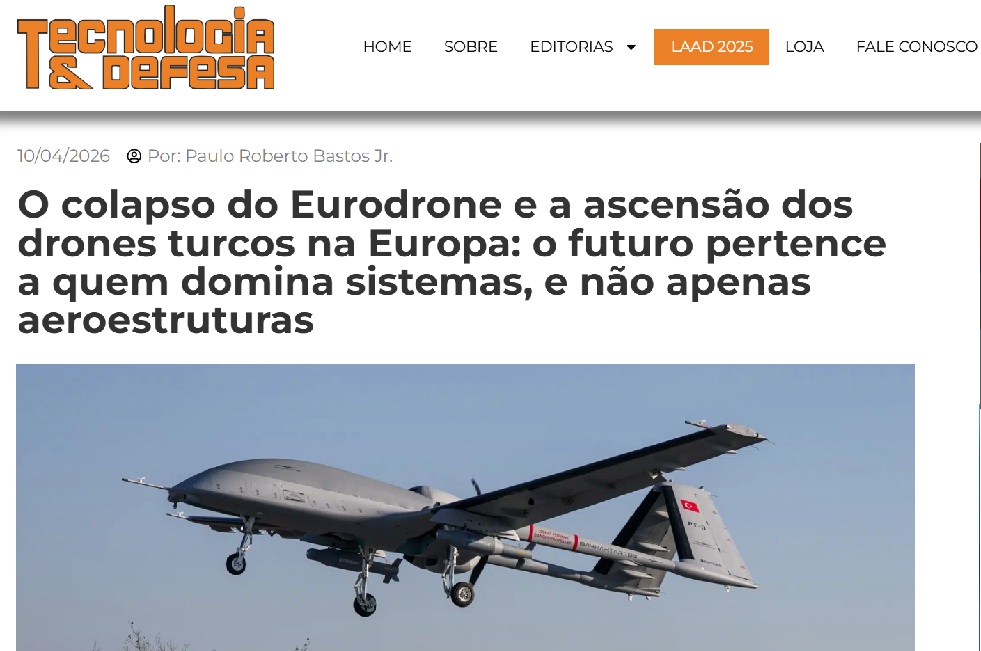
The article, titled “O colapso do Eurodrone e a ascensão dos drones turcos na Europa: o futuro pertence a quem domina sistemas e não apenas aeroestruturas,” frames the Eurodrone programme not simply as a delayed multinational project, but as a case study in how traditional aerospace development models are struggling to adapt to the realities of modern unmanned warfare.
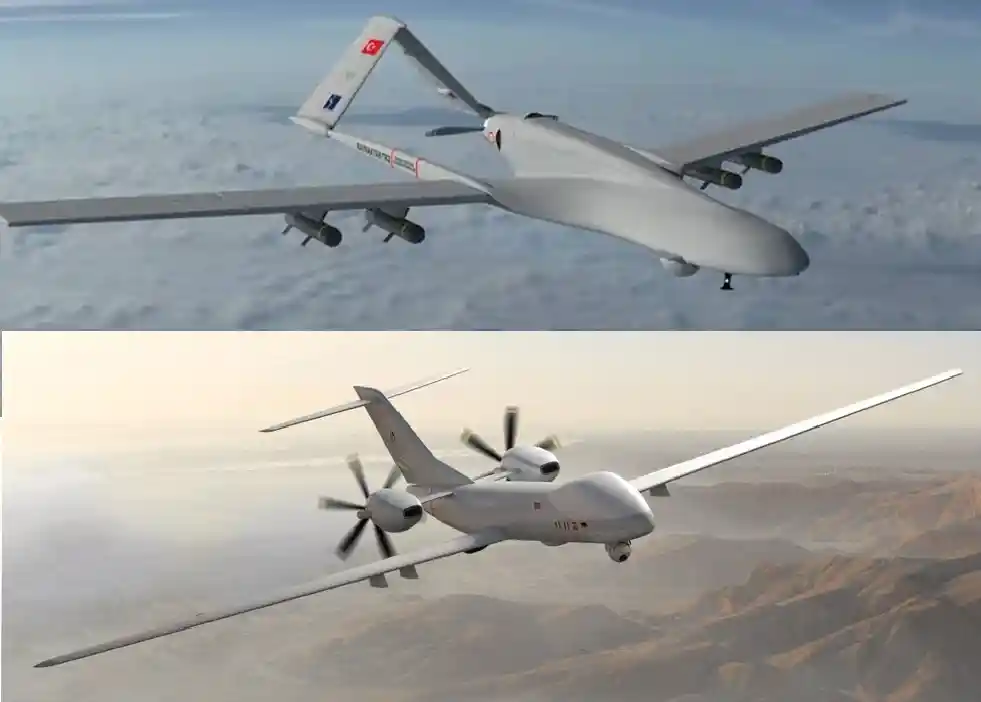
While Eurodrone does not correspond directly to a specific programme in Türkiye, the comparison highlights a deeper structural divergence. According to the analysis, Europe’s approach — led by Airbus, Dassault Aviation and Leonardo — remains rooted in platform-centric thinking shaped by industrial compromise, certification requirements and political balancing. The result is a large, twin-engine MALE system with extended timelines and increasing costs.
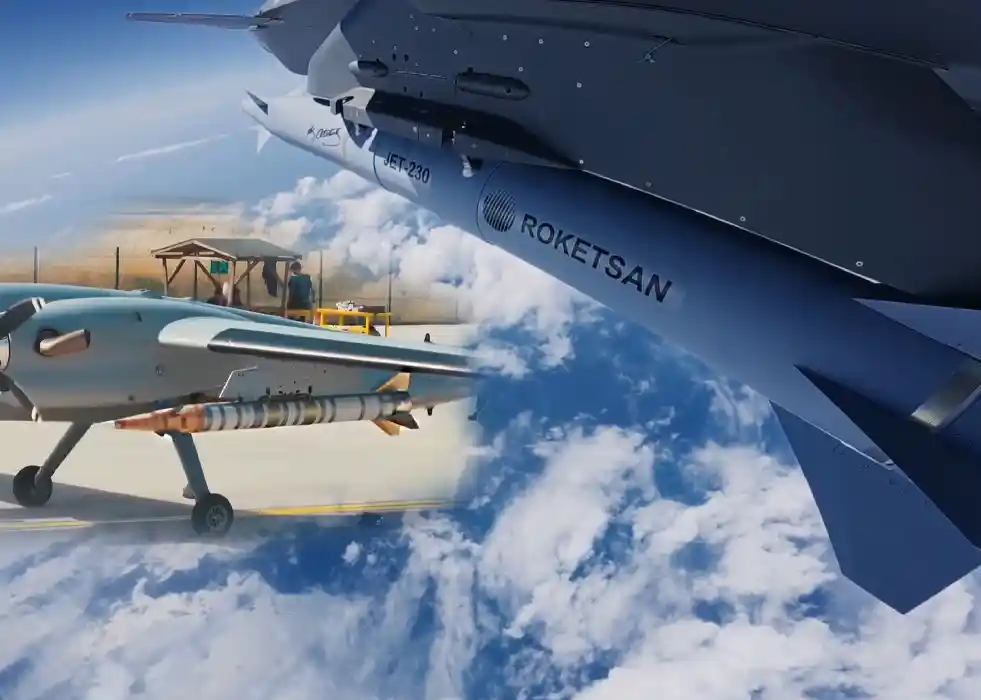
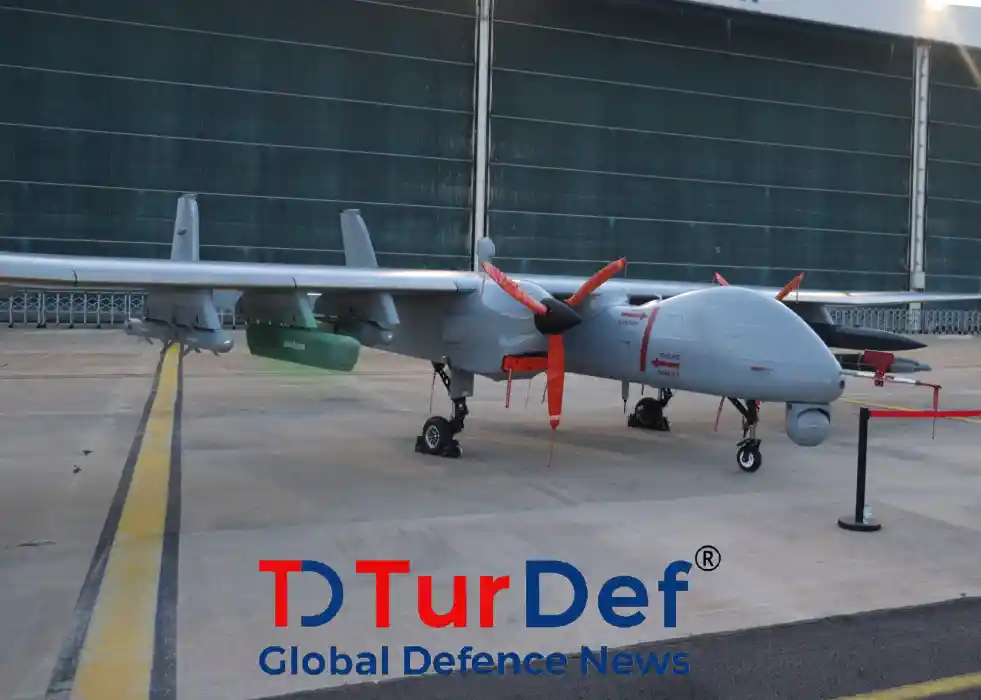
By contrast, the article presents Türkiye’s UAV ecosystem as a system-driven model, built through iterative development, operational feedback and rapid fielding. Platforms such as Bayraktar TB2 are described not merely as aerial vehicles, but as part of an integrated architecture combining sensors, data links, weapons integration and operational doctrine shaped in real conflict environments.
The Tecnodefesa analysis argues that the core distinction is no longer the airframe itself, but the systems that enable it to operate in contested environments. Navigation resilience under electronic warfare, electro-optical and radar payloads, secure communications, autonomy software and weapons integration are identified as the decisive layers of capability — areas mastered by only a limited number of countries.
Within this framework, the article suggests that Europe’s difficulties with Eurodrone reflect broader structural constraints. Multinational programmes, while designed to ensure industrial participation and strategic autonomy, often face delays, cost escalation and fragmented decision-making. France’s reported withdrawal from the programme is presented as a critical inflection point that raises questions about its long-term viability.
In contrast, Türkiye is described as having built an integrated unmanned systems ecosystem within a relatively short timeframe. Companies such as Baykar and Turkish Aerospace Industries have expanded beyond platform production to develop sensors, mission systems and operational concepts, enabling a more agile and adaptable approach to capability development.
The article further notes that recent conflicts — including Syria, Libya, Karabakh and Ukraine — have accelerated demand for systems that can be deployed rapidly, adapted in theatre and sustained at relatively low cost. In this context, Turkish platforms are presented as operationally validated solutions rather than developmental programmes.
At the same time, the analysis does not dismiss Eurodrone’s intended role. As a MALE-class system designed for endurance, payload capacity and integration within regulated European airspace, it reflects a different operational requirement set. However, this distinction also underscores the divergence between a compliance-driven development model and one shaped by battlefield adaptation.
Beyond the immediate comparison, the article frames the debate in broader strategic terms. It argues that the defining factor in future unmanned systems competition will not be the ability to produce airframes, but the capacity to integrate sensors, software, electronic warfare resilience and command networks into a coherent system.
The conclusion is framed as a lesson not only for Europe but also for Brazil. As the global defence industry evolves, the article suggests that technological leadership in unmanned systems will depend less on traditional aerospace manufacturing capabilities and more on system-level integration, execution speed and operational relevance.
(*) Tecnologia & Defesa (Technology & Defence) was founded in 1983 as a magazine specialising in aerospace defence and public security. Tecnologia & Defesa is the largest and oldest printed magazine in the sector. It is published in Brazil and has a national circulation in Latin American countries. Since 2025, it has been a partner of TurDef in exchanging information to keep readers updated on the important news occurring between the two countries.
Author: Özgür Ekşi