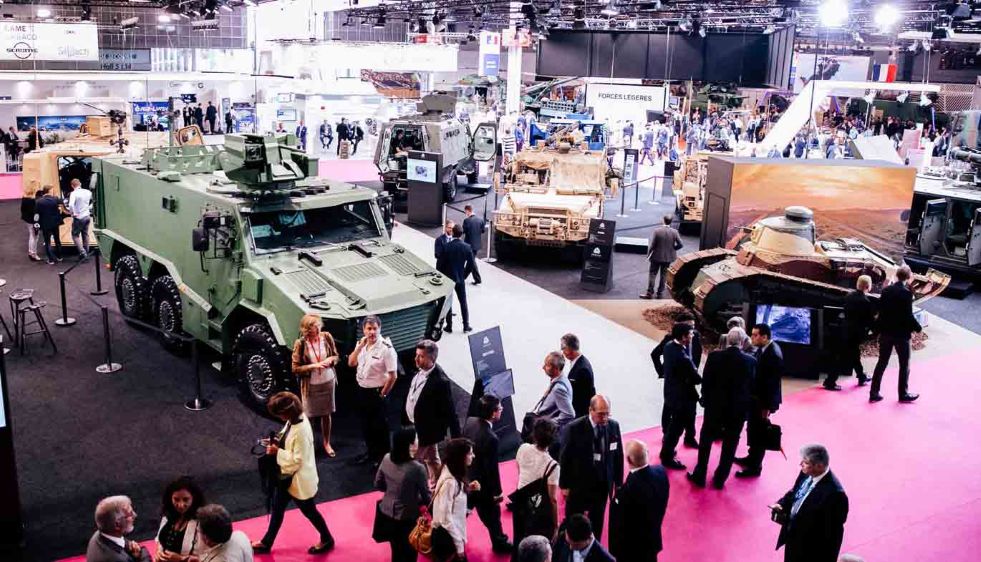
With more than 2,600 exhibitors from 68 countries, 40 national pavilions and over 350 official delegations expected from around 100 countries, Eurosatory 2026 is set to become one of the clearest indicators yet of how rapidly Europe’s defence industrial landscape is changing.
The numbers alone tell part of the story. Behind them lies a broader trend driven by Russia’s invasion of Ukraine, rising geopolitical uncertainty and a growing recognition across Europe that defence production capacity has become a strategic asset in its own right. The result is visible throughout this year’s exhibition halls, where national delegations are larger, industrial ecosystems are broader and international participation is reaching record levels.
Europe’s defence industry expands
Several European countries are arriving in Paris with significantly larger delegations than two years ago.
Germany has surpassed 200 exhibitors, consolidating its position among the largest national participants. Poland has nearly doubled its presence, growing from 22 exhibitors in 2024 to 43 this year, while Slovakia has increased its representation from seven companies to 23. Finland, Croatia, Belgium, Italy and Australia have also expanded their participation.
Beyond procurement programmes, the growth in participation reflects a broader effort to rebuild defence industrial capacity across Europe. Governments are increasingly focused not only on acquiring new military equipment but also on expanding production lines, strengthening supply chains and ensuring the ability to sustain long-term military competition in a more volatile security environment.
The overall picture reflects a continent investing heavily in military modernisation while simultaneously rebuilding industrial capacity after decades in which defence production was often considered a secondary priority.
The transformation is perhaps most visible in Central and Eastern Europe, where governments closest to the consequences of Russia’s war against Ukraine are investing heavily in both procurement and domestic industrial capabilities.
Ukraine emerges as an industrial player
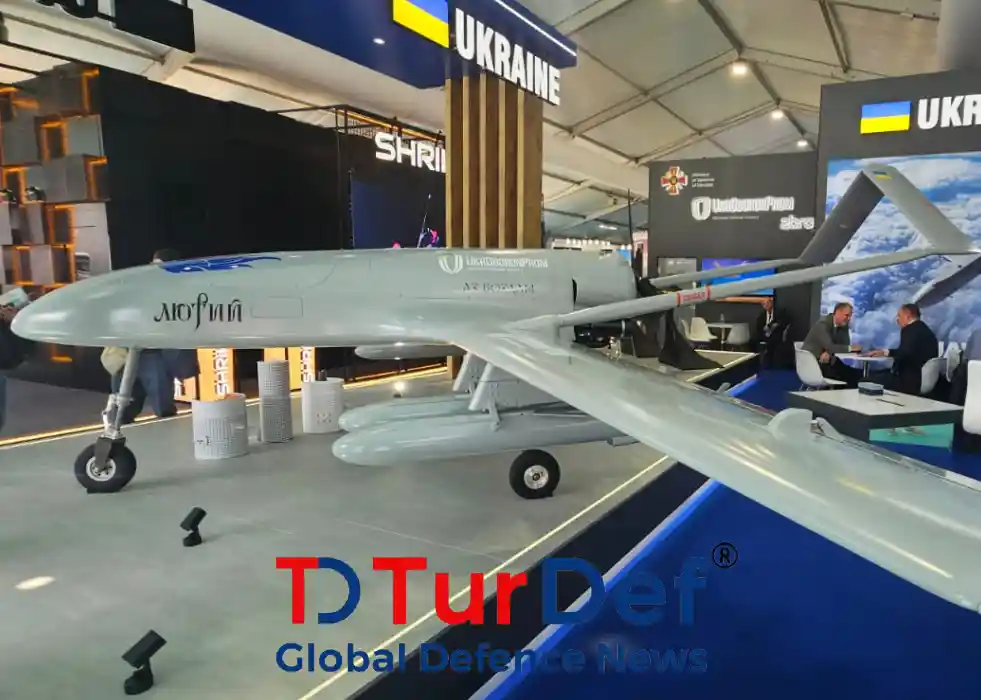
Among all participating nations, Ukraine’s growth stands out.
The country has increased its presence from just five exhibitors in 2024 to more than 80 companies in 2026, while its exhibition area has expanded more than fivefold.
The development reflects a remarkable transformation. Four years ago Ukraine was largely viewed as a recipient of military assistance. Today it is increasingly presenting itself as a producer of defence technologies, particularly in unmanned systems, electronic warfare solutions and rapidly developed battlefield innovations.
Years of high-intensity conflict have provided Ukrainian companies with operational experience rarely available elsewhere. Combined with a growing network of European industrial partnerships, that experience is helping position Ukraine as a future contributor to the continent’s defence industrial base rather than solely a consumer of military support.
The growth also reflects Ukraine's ambition to secure a lasting place within Europe's emerging defence industrial architecture rather than remaining solely a recipient of military aid.
Türkiye’s ecosystem continues to broaden
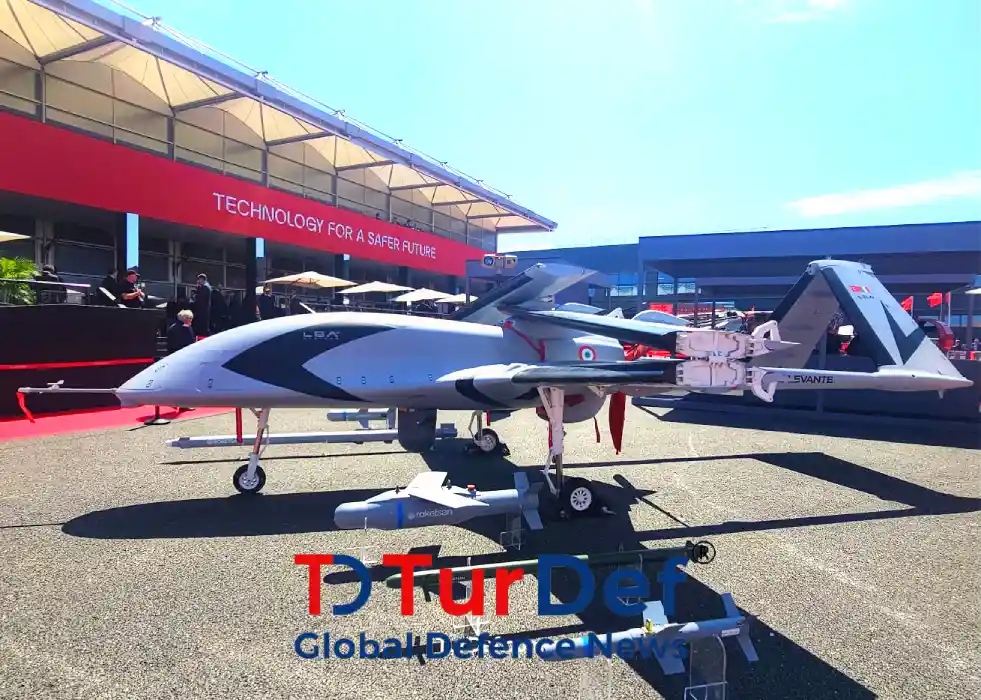
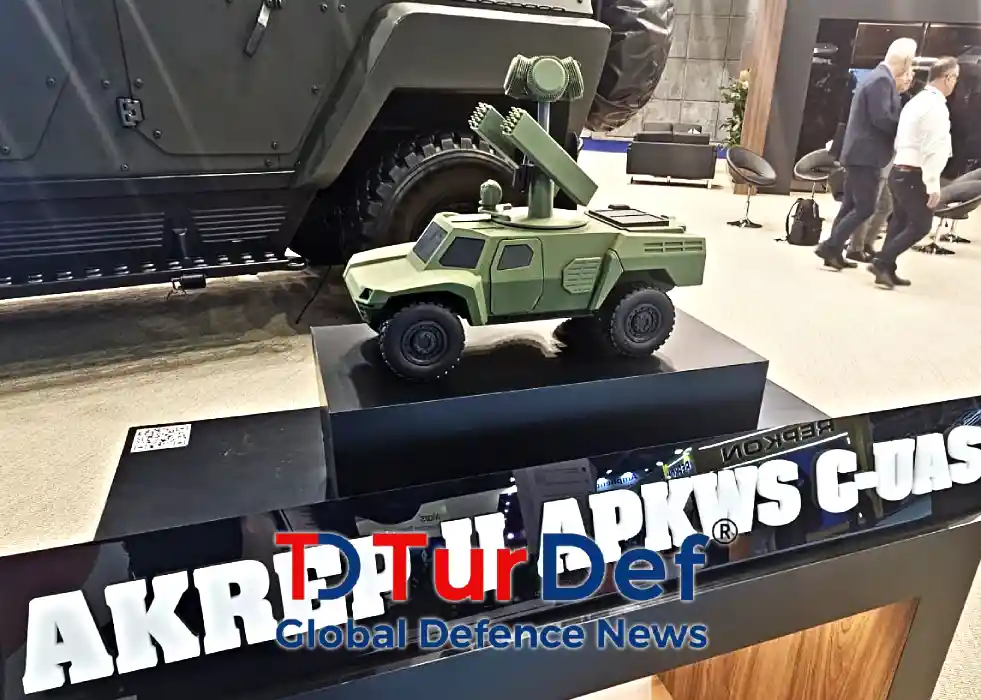
Türkiye’s participation also highlights the changing nature of defence production.
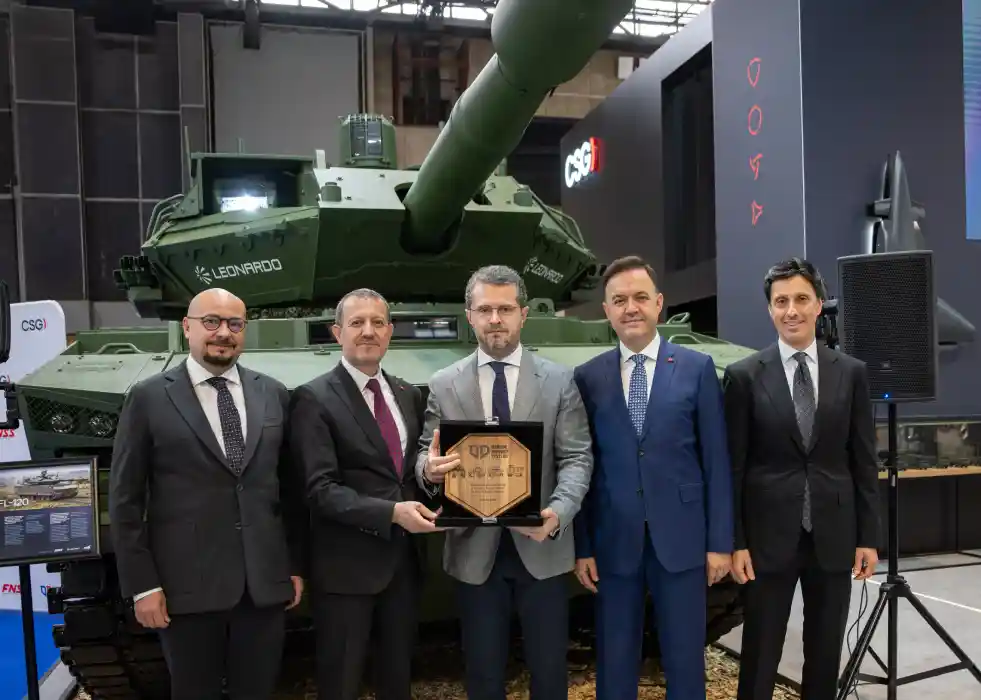
A total of 58 Turkish institutions and companies are attending Eurosatory 2026, ranging from major defence primes such as ASELSAN, ROKETSAN, HAVELSAN, MKE, BMC and OTOKAR to a growing number of specialised suppliers operating in electronics, communications, mobility systems, mechanical components, vehicle subsystems and advanced manufacturing.
The composition of the delegation may be more significant than its size.
A decade ago, Türkiye’s international presence at major defence exhibitions was largely defined by a handful of major platform manufacturers. Today, the country is increasingly presenting a broader industrial ecosystem encompassing both prime contractors and an expanding network of specialist suppliers.
The shift reflects the continued maturation of Türkiye’s defence industrial base and its growing integration into international supply chains.
Israel returns under restrictions
While industrial growth and rearmament dominate the exhibition, Eurosatory 2026 is also expected to highlight ongoing political tensions.
French authorities have allowed Israeli companies to participate but imposed restrictions on the systems they may display. Air defence and anti-ballistic missile technologies are permitted, while offensive weapon systems, including missiles, rockets and armed unmanned platforms, are excluded. Israel is also barred from establishing an official national pavilion, and government representatives are not permitted to attend in an official capacity.
The restrictions follow the legal and diplomatic controversy surrounding Eurosatory 2024, when French authorities attempted to exclude Israeli participants entirely before court rulings overturned parts of the ban.
The new approach appears designed to avoid accusations of nationality-based discrimination while still signalling political opposition to Israel’s conduct in Gaza.
Yet the issue continues to generate debate.
The distinction highlights one of the more sensitive political questions surrounding Eurosatory 2026. Russian defence companies remain entirely excluded from major European exhibitions following Moscow’s invasion of Ukraine, whereas Israeli firms continue to participate under restrictions rather than facing a complete ban. The difference reflects the complex realities of European security and foreign policy, where strategic partnerships and political considerations do not always produce identical outcomes.
The contrast raises broader questions about how European governments balance strategic interests, political alliances and ethical considerations when determining access to major international defence events.