An explosive-laden FPV drone used by a cocaine-trafficking militia downed a Police UH-60 near Amalfi, killing 12 and exposing gaps in rotary-wing defence.
FPV drones, proven in the Ukrainian theatre—including in counter-UAS roles—have now been used to down a helicopter, signalling a deadlier phase of drone warfare. A Colombian National Police UH-60L Black Hawk conducting a counternarcotics mission was brought down by an explosive-laden FPV drone near Amalfi in Antioquia on 21 August, killing all 12 officers on board, officials said. Authorities blamed dissident factions of the FARC aligned with the Estado Mayor Central (EMC).
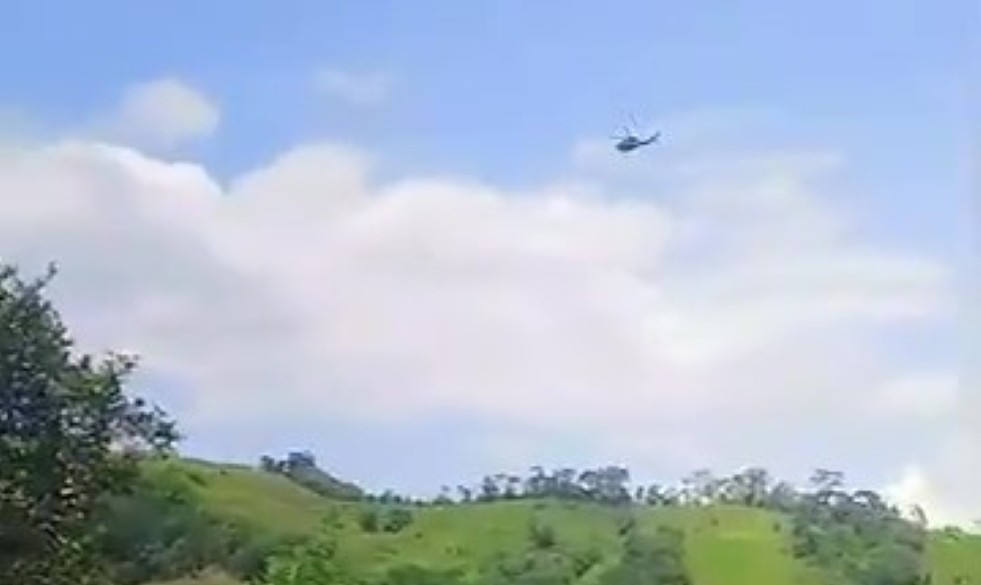
(The UH-60L helicopter, seconds before the FPV attack)
President Gustavo Petro said the attack was carried out by EMC’s 36th Front, while Antioquia’s governor Andrés Julián Rendón confirmed the incident and activated emergency measures in the region. Local and national outlets reported the mission was supporting coca-crop eradication in rural areas around Amalfi. (Some Colombian sources later raised the death toll to 13.)
The downing marks an escalation in the criminal use of weaponised hobby-class drones. It also exposes a gap in rotary-wing survivability: standard Black Hawk self-protection fits are designed primarily to defeat guided missiles—radar/laser/missile warning sensors paired with AN/ALE-47 chaff/flare dispensers, IR suppression and provisions for DIRCM—capabilities that are poorly matched to small, low-RCS FPV threats at close range.
Author: Özgür Ekşi