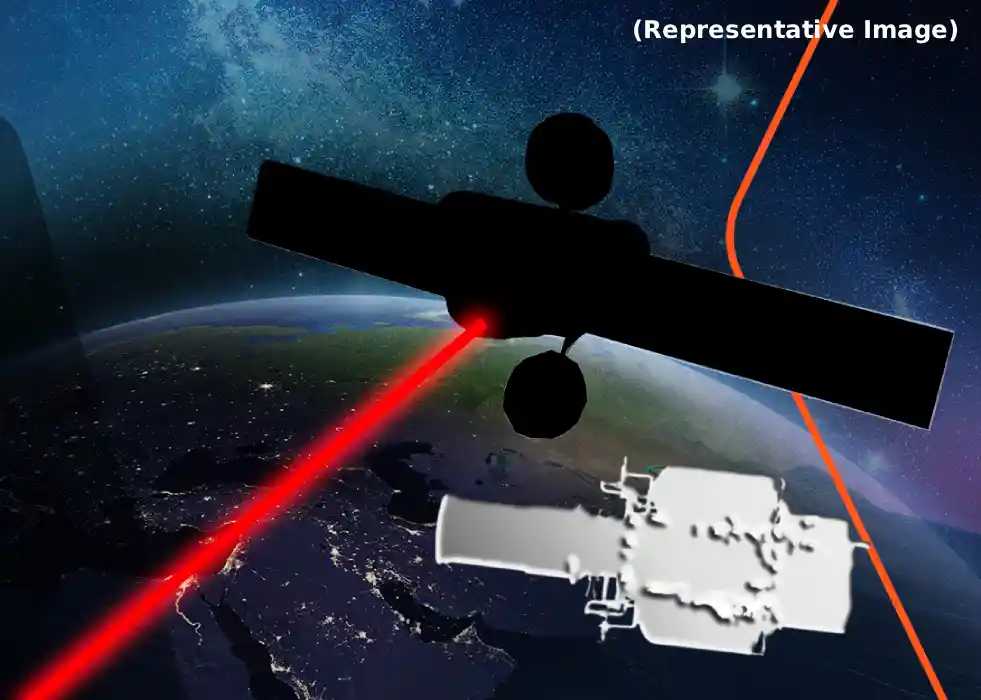
The German government plans to dedicate 35 billion euros for military space development throughout the next decade of 2030 which establishes Berlin as a major force in orbital security development.
The first space security strategy from Germany presents a detailed plan which includes military satellite expansion and communication system enhancement and intelligence system resilience improvement and early warning system development and effector satellite deployment for orbital threat response. The new initiatives demonstrate that Germany has established space as an essential operational domain for military operations.
The program announcement has brought back discussions about how these space programs violate international space laws. The Outer Space Treaty from 1967 serves as the primary legal framework which guides worldwide space governance. The Outer Space Treaty prohibits all countries from deploying nuclear weapons and mass destruction systems into space while it also bars them from establishing military facilities or conducting space-based weapon tests on celestial bodies. The treaty establishes celestial objects for peaceful purposes through its established provisions. The Outer Space Treaty allows countries to deploy conventional military satellites and reconnaissance systems and early-warning sensors and security-related equipment in Earth's orbit. The Outer Space Treaty allows most contemporary military space programs to operate legally because it does not explicitly prohibit these activities.
The strategy of Berlin respects the Outer Space Treaty but it extends the accepted uses of space beyond its current boundaries. The inclusion of satellites with defensive or offensive counter-space capabilities creates sensitivity because these technologies could shift the power dynamics in space. The Outer Space Treaty does not explicitly prohibit these systems but they generate increasing international worry because multiple nations actively develop space-based deterrence and denial capabilities.
The 35 billion-euro program of Germany demonstrates how European nations are following a common path in their space development strategies. The United States Space Force expansion and French military space expansion have driven Europe to establish its own space-based strategic independence. The strategy demonstrates that essential infrastructure including communication systems and navigation systems and missile warning systems require protected space-based systems for operation. The strategy supports NATO's declaration of space as its fifth operational domain which will make space-based doctrines more important for allies.
Author: Özgür Ekşi