By Özgür Ekşi
In the October 2024 issue (No. 656) of the Turkish Naval Forces Magazine (Deniz Kuvvetleri Dergisi), an article titled “The Impact of Nuclear-Powered Submarines on the Theatre of War” examined the historical and global applications of nuclear submarines. Of particular interest to Turkiye was the section on Small Modular Reactors (SMRs) under the subheading “The Development of Nuclear Energy and Small Modular Reactors”.
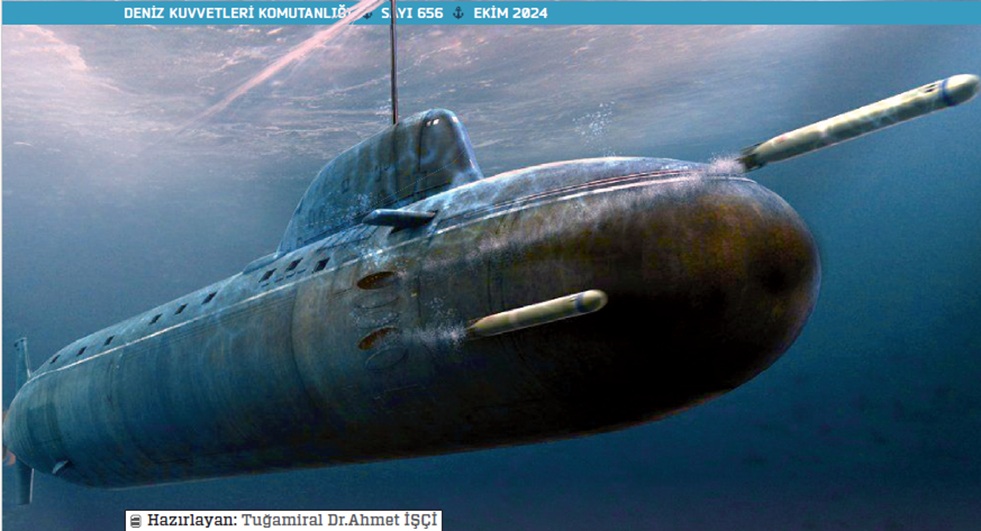
The article highlighted the strategic advantage for nations developing SMR technology, noting that such advancements could position these countries as leaders in the energy market. Turkiye was mentioned as committed to R&D efforts in SMR development, particularly focusing on Molten Salt Reactors. While this commitment is noteworthy, it falls short of being a concrete indication of an interest in nuclear-powered submarines.
Challenges and Opportunities in Nuclear-Powered Submarine Acquisition
Acquiring nuclear-powered submarines presents both strategic benefits and significant challenges. Beyond the substantial financial cost of procurement and operation, transitioning from conventional systems to nuclear propulsion marks a crucial step toward becoming a global maritime power.

The January 2025 issue (No. 657) featured a follow-up article, “A Study of the US Virginia-Class Submarine Project,” which examined the integration of SMRs in advanced submarine platforms. The article also discussed the operational impacts of nuclear-powered submarines, including capability differences compared to conventionally powered submarines and their influence on naval doctrine.
Key Advantages of Nuclear-Powered Submarines
According to the article, nuclear-powered submarines overcome two major limitations of conventional submarines:
1. Snorkelling Dependency: Nuclear propulsion eliminates the need to surface for snorkelling, which is a liability for conventional submarines.
2. Sustained Speed: The durability of nuclear propulsion allows sustained high-speed cruise, enabling greater tactical flexibility.
The article elaborated on technological innovations, such as ventilation systems that ionise oxygen in residual water, enabling deep-sea operations. The reduced space requirement for fuel tanks also creates room for advanced technologies and payloads.
The author of two articles, Rear Admiral (Lower Half) Dr Ahmet İşçi, compared the operational differences between conventional and nuclear propulsion, noting:
“A conventional submarine commander might describe the daily challenges of finding cover from enemy radars or searching for low-speed merchant ships to snorkel undetected. While advanced radar systems and unmanned aerial vehicles make avoiding detection increasingly difficult, nuclear propulsion offers unparalleled operational freedom and reduces vulnerabilities.”
Turkiye’s Potential Interest in Nuclear Propulsion
The discussion in the magazine provides a glimpse into the strategic thinking that might underpin Turkiye’s interest in nuclear propulsion. One statement stands out:
“Under the US Navy’s ‘clearing the way’ doctrine, submarines operate ahead of friendly forces, gathering intelligence and performing Tactical Data Relay (TDR) operations with stealth and efficiency.”
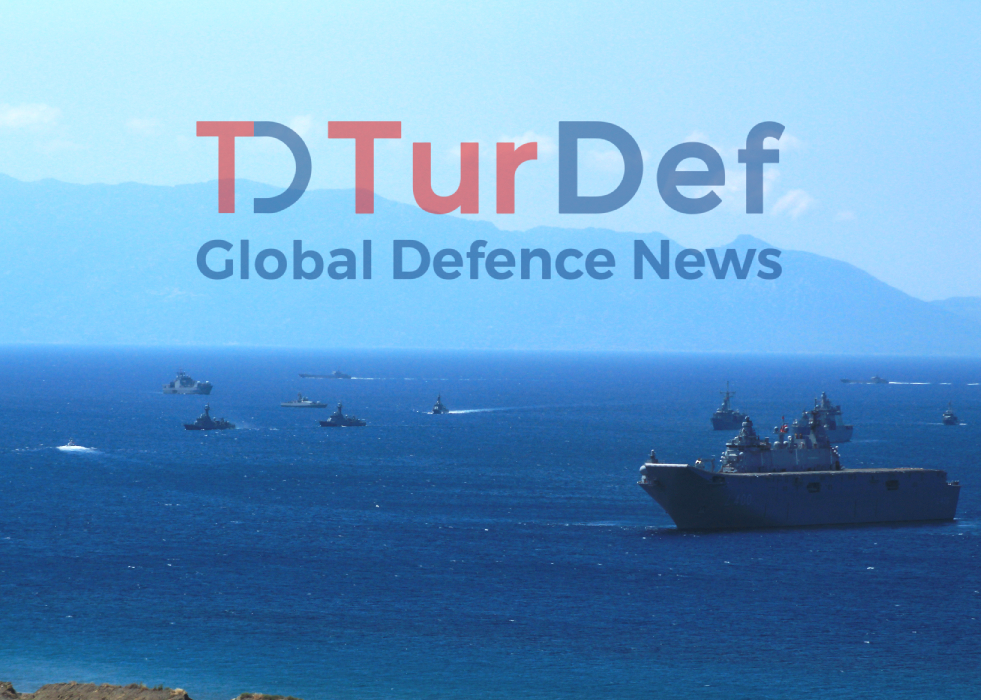
This “clearing the way” concept is most closely associated with aircraft carrier strike groups (CSG). For Turkiye, this raises a critical question: What type of propulsion system would best complement its planned MUGEM’s Aircraft Carrier Task Group operations?
Global Trends in Submarine and Aircraft Carrier Fleets
As TurDef, we would like to underline that six of the eight countries operating aircraft carriers also possess nuclear-powered submarines:
1. United States
2. Russia
3. China
4. United Kingdom
5. France
6. India
Brazil and Italy are exceptions, relying on conventional methods for both their aircraft carriers and submarines.
Implications for Turkiye’s Naval Future
The magazine also explored submarine dimensions and configurations, distinguishing between strategic nuclear submarines (SSBNs), built for intercontinental ballistic missiles and weighing up to 20,000 tonnes, and nuclear attack submarines (SSGNs), designed to match the size and tonnage of conventional submarines. The latter can track and destroy advanced surface ships for extended periods at high speeds.
Admiral İşçi’s analysis of US submarine designs, such as the Los Angeles and Virginia classes, emphasised the importance of Vertical Launch System (VLS) technology, which aligns with Turkiye’s naval aspirations. Notably, the Virginia-class submarines received special attention in the article, suggesting their relevance as a benchmark for Turkiye’s submarine projects.
MILDEN and Future Propulsion Systems
The MILDEN (National Submarine) project, spearheaded by the Project Design office and ASFAT, incorporates VLS capabilities. However, the propulsion system remains publicly undisclosed. While public expectations lean toward Air-Independent Propulsion (AIP) using lithium-ion battery technology, the Turkish Navy’s commitment to academic studies suggests a broader vision.

Given that four LM-2500 gas turbines will power MUGEM, one can expect the current MILDEN with AIP technology. We can, however, assume that the second generation of MUGEM might have a second-generation MILDEN as the escort with nuclear propulsion systems. Until then, Turkiye’s pursuit of nuclear-powered submarines remains speculative but intriguing.

This analysis is an exclusive study conducted by TurDef. Legal rights will be reserved for publications made without attribution to TurDef