The procurement, approved by the Ministerial Procurement Committee, marks the first concrete step in Israel’s long-term force development plan, backed by a special defence budget of approximately 350 billion shekels over the coming decade.
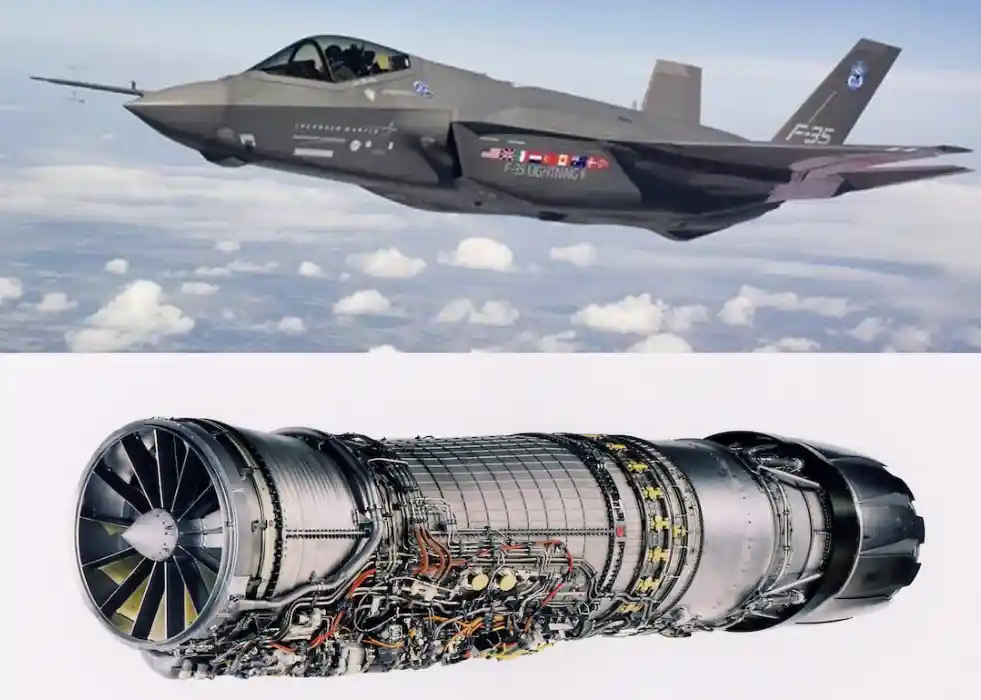
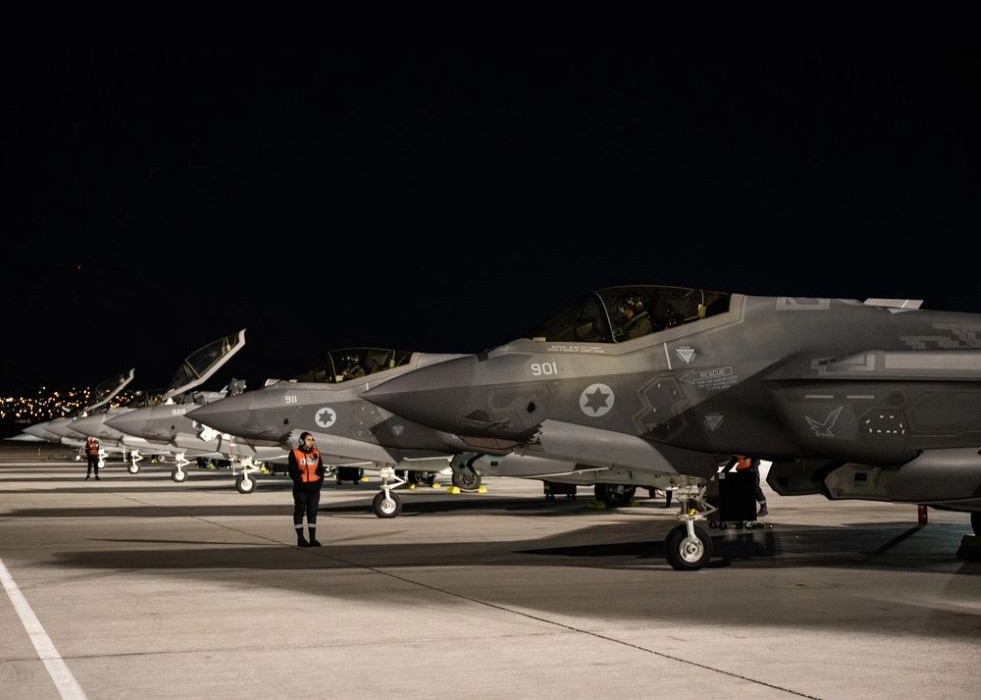
Presented by Defence Minister Israel Katz and IMOD Director General Maj. Gen. (Ret.) Amir Baram, the programme outlines a phased acquisition involving Lockheed Martin [NYSE: LMT] and Boeing [NYSE: BA]. It includes a fourth squadron of F-35I “Adir” aircraft and a second squadron of F-15IA fighters, alongside a comprehensive logistics and sustainment package covering maintenance, spare parts, and long-term operational support.
Katz stated that the recent war with Iran demonstrated both the operational reach and decisive role of the Israeli Air Force, adding that the lessons of that campaign require sustained force buildup to secure air superiority for years to come. Baram also referenced Operation Roaring Lion, arguing that the campaign reinforced the need for advanced air capabilities and deepened reliance on strategic cooperation with the United States.
Beyond the official framing, the structure of the procurement points to a more specific operational concept.
Rather than converging on a single platform, the Israeli Air Force appears to be reinforcing a dual-layered strike architecture: stealth penetration combined with heavy strike capacity.
The F-35I is expected to maintain its role in penetrating contested airspace, suppressing advanced air defence systems, and enabling early-phase targeting. In parallel, the F-15IA — a heavily upgraded derivative of the F-15 family — will provide high payload capacity, extended range, and the ability to deliver large or specialised munitions, particularly for missions requiring deep-strike profiles against hardened and buried targets.
This reflects a deliberate force mix decision, rather than a transition toward a single-generation fleet.
While the acquisition has now been approved, deliveries are expected to unfold over the next decade. The decision therefore signals not an immediate operational shift, but a long-term restructuring of Israeli air power.
In that sense, Israel is not simply expanding its fleet. It is formalising a doctrine shaped by recent conflict experience, where stealth enables access, and mass delivers effect.
Author: Özgür Ekşi