Italy’s new defence plan allocates €3.2 billion for unmanned systems, with €2.4 billion for armed UAVs that may involve Leonardo-Baykar Aerospace, according to RID’s Tommaso Massa.
According to defence analyst Tommaso Massa writing in RID, Italy’s Multi-Year Defence Programming Document (DPP 2025–2027) earmarks €3.2 billion for unmanned systems—93 percent for air assets (€2.9 billion) and 7 percent for maritime ones. Within that, a €2.4 billion programme for the Italian Air Force’s new armed UAVs stands out as the most substantial.
The financial plan allocates €242 million in 2025, €154 million in 2026 and €276 million in 2027 — totalling over €672 million in the first three years — followed by €740 million for 2028–2030 and just over €1 billion for 2031–2036. These UAVs are described as having “kinetic capabilities” to act “in the very short term as capability enhancers to implement and test a new Command-and-Control architecture.”
Given the scale, Massa notes that the programme could cover several drone types, possibly including systems from Leonardo-Baykar Aerospace (LBA) Systems and Leonardo’s upcoming national wingman/adjunct programme designed to accompany sixth-generation fighters.
The timing aligns with the 6 October 2025 visit to Baykar’s Istanbul facilities by Italian Deputy Defence Minister Matteo Perego di Cremnago, Air Force Chief Lt. Gen. Antonio Conserva, Army Chief Lt. Gen. Carmine Masiello, Navy Deputy Commander Vice Adm. Giuseppe Berutti Bergotto, and Leonardo executives Simone Ungaro and Carlo Gualdaroni.
They were hosted by Baykar chairman Selçuk Bayraktar, CEO Haluk Bayraktar, Secretariat of Defence Industries chief Haluk Görgün, and senior Turkish Army officials. The visit marked the first integrated Italian military-industrial delegation to a Turkish defence manufacturer — an unprecedented step that may pave the way for Europe’s first joint armed UAV development between Leonardo and Baykar.
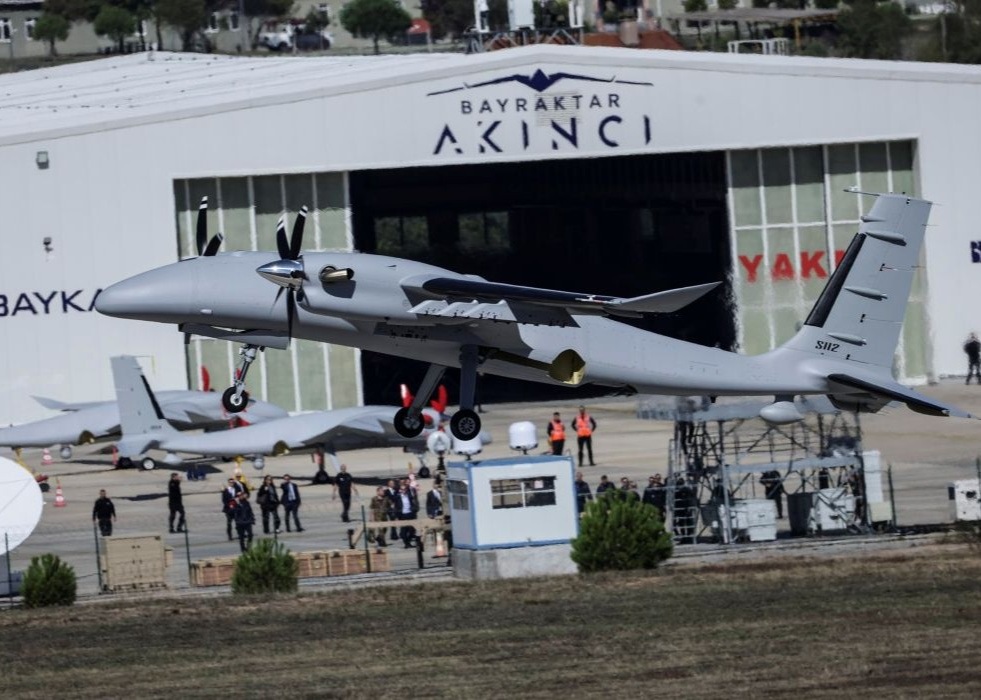
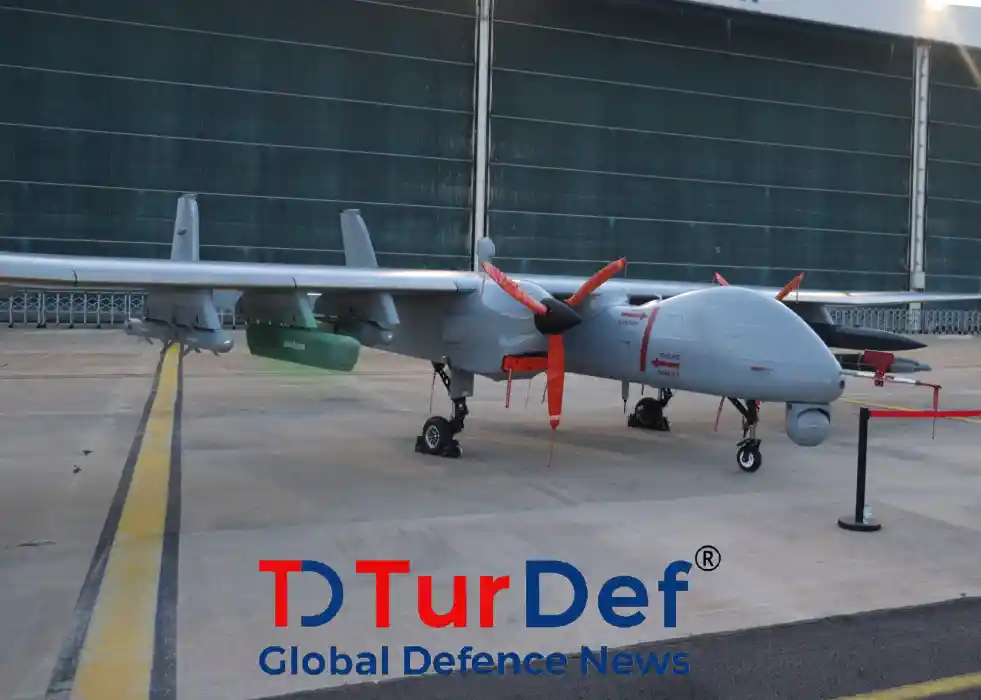
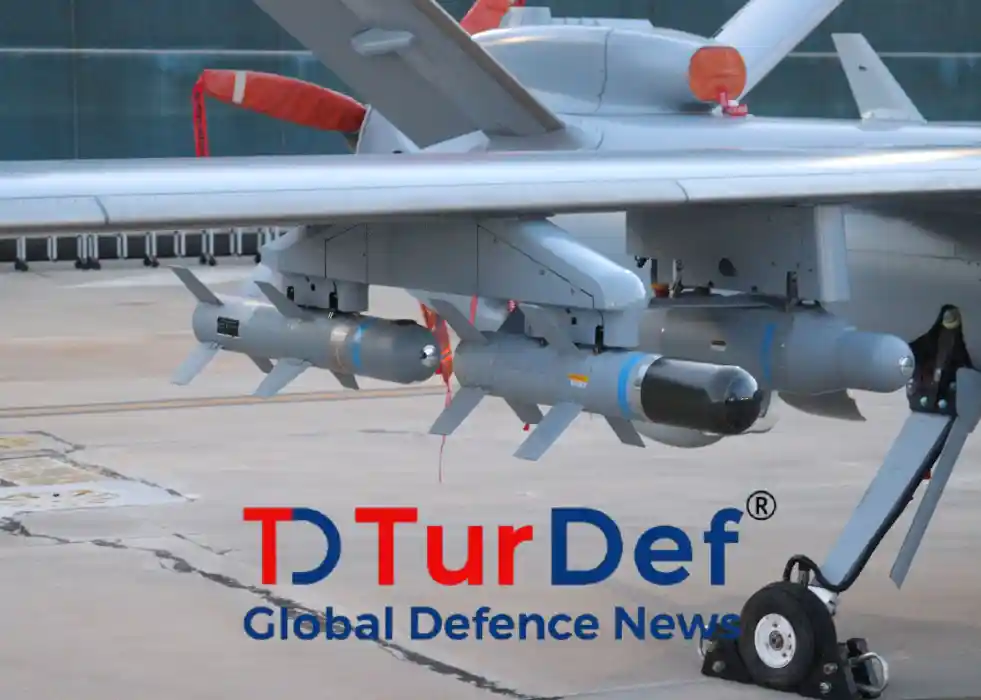
It appears from the shared images that special attention was given to the Akıncı UCAV.
If confirmed, such cooperation would symbolise a strategic shift in Europe’s defence-industrial landscape, bridging two NATO ecosystems as the continent invests heavily in autonomous and next-generation systems under the ReArm Europe initiative.