Citing ongoing CAATSA consequences on Turkish organisations and people, Lockheed Martin announced a partial suspension of its participation in the TUHP.
Citing ongoing consequences of US-imposed restrictions (CAATSA) on Turkish organisations and people since 2020, Lockheed Martin announced a partial suspension of its participation in the Turkish Utility Helicopter Programme (TUHP) as of 5 October 2024.
The company’s 2024 Annual Report, submitted to the US Securities and Exchange Commission, contained the announcement. Aiming for local usage and possible worldwide sales, the TUHP wants to co-produce T70 utility helicopters in Türkiye under contracts with the Turkish industry.
“In 2020, the US Government imposed certain sanctions on Turkish entities and persons that have affected our ability to perform under the TUHP contracts,” the report states. Lockheed Martin added that it issued force majeure notices under affected contracts and partially halted programme activities effective 5 October 2024.
While negotiations with the Turkish customer are ongoing, the report highlights legal and financial uncertainties. Lockheed Martin notes that its customer and subcontractor dispute its right to suspend work and may seek “relief or remedies” if an agreement is not reached. This could lead to penalties, loss of sales, or increased unrecoverable costs.
Despite these tensions, Lockheed Martin reported that, as of 31 December 2024, losses tied to the development phase of TUHP remained “insignificant,” and the programme continues to appear as a contract liability on its balance sheet.
The company also confirmed that the TUHP contracts might be restructured or even terminated, in whole or in part. Such outcomes could result in “significant reach-forward losses” in future reporting periods.
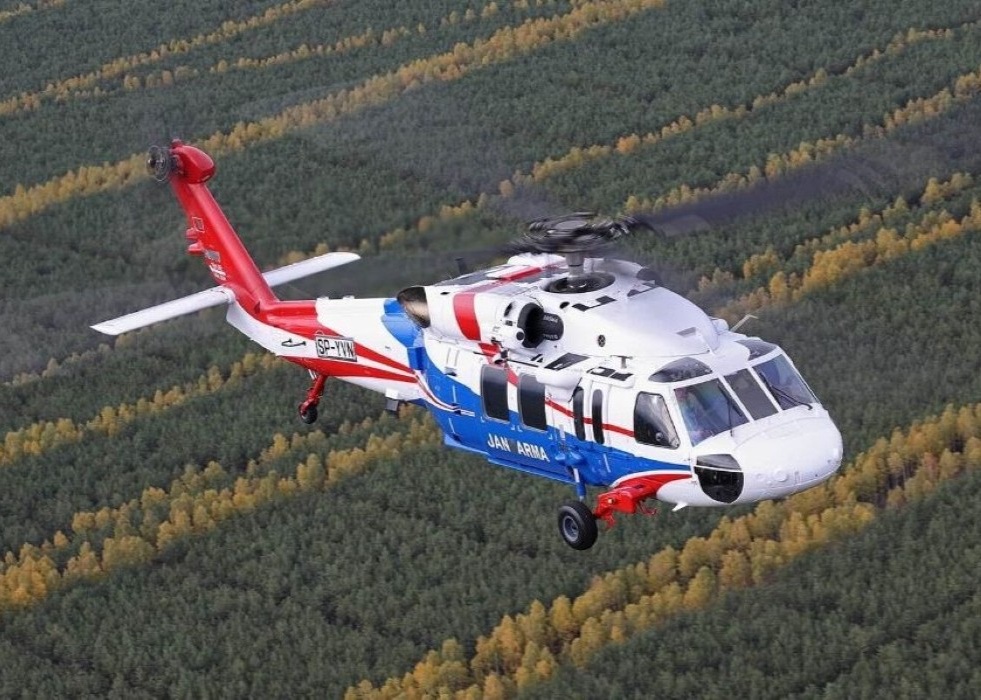
The TUHP is a key component of Türkiye’s rotary-wing modernisation. Turkish Aerospace (TUSAŞ) is the prime contractor, and Sikorsky, a Lockheed Martin company, provides the T70 platform based on the S-70i Black Hawk.
Author: Özgür Ekşi