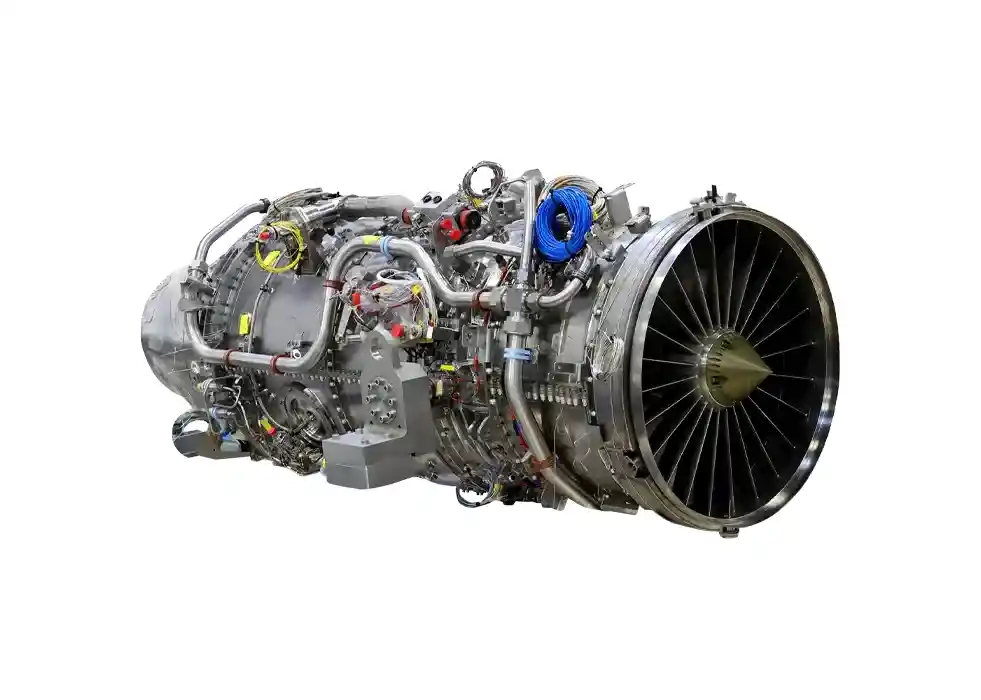
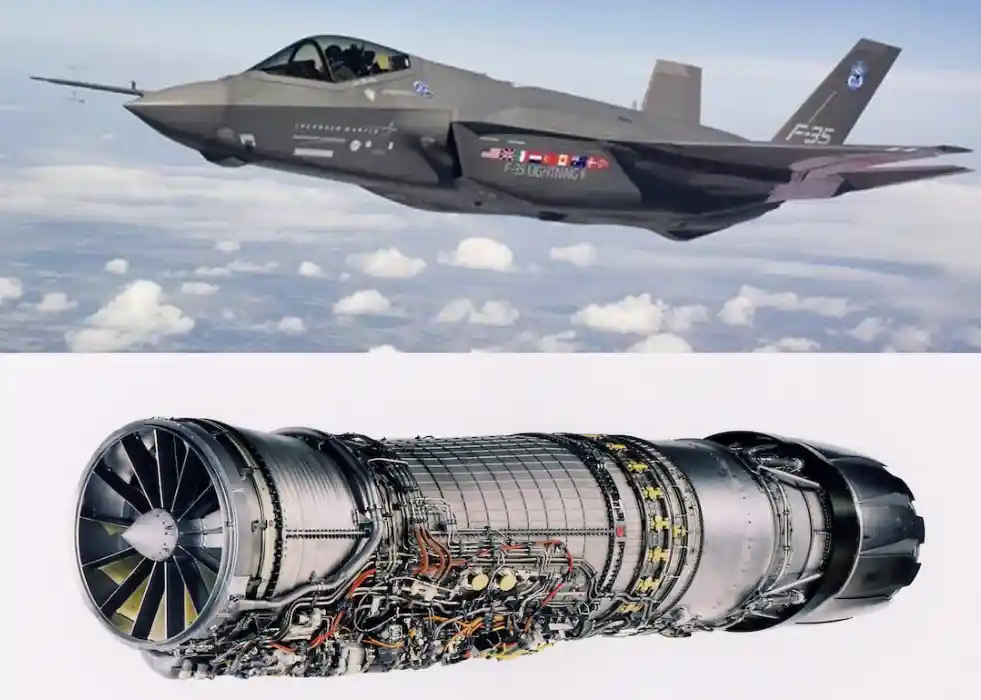
Norway has completed the delivery of 52 F-35 jets and received its first Joint Strike Missile (JSM), boosting national and NATO operational capabilities.
Norway has become the first country to receive the full delivery of its planned F-35 fighter jets. According to the Ministry of Defence, “The acquisition is a true success story. Today, the Armed Forces have also received their first super missile from the Norwegian Defence Materiel Agency and Kongsberg Defence & Aerospace (KDA). Work will now begin to stockpile the JSM missile at Ørland Air Base,” said Minister of Defence Tore O. Sandvik during a ceremony at Ørland.
“The fighter jets were delivered on schedule, and the F-35 is performing beyond expectations. This is the result of formidable efforts across large parts of the defence sector over many years. The F-35 is a capability that strengthens the entire Armed Forces,” he added.
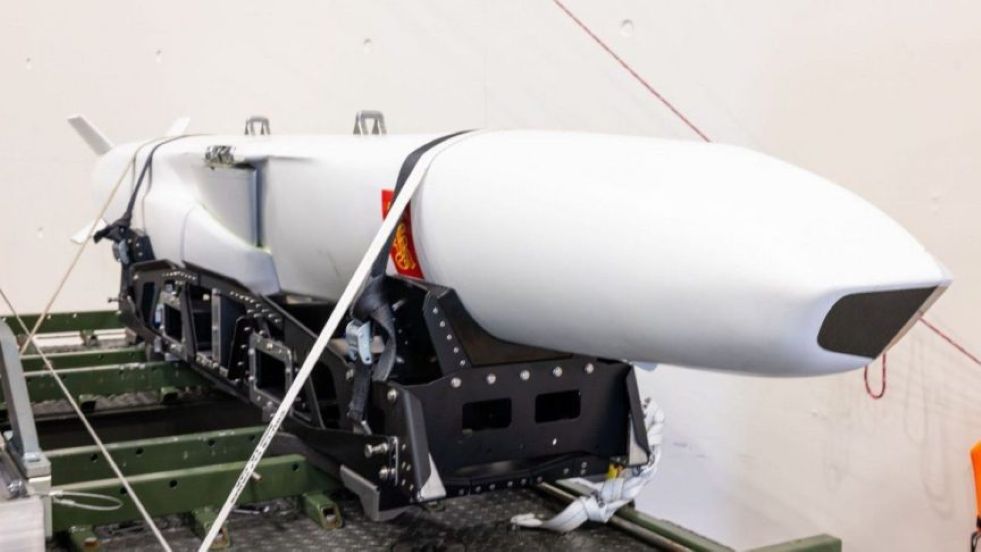
Norway’s First Super Missile – the Joint Strike Missile (JSM)
Under contract from the Norwegian Defence Materiel Agency, Kongsberg Defence & Aerospace (KDA) has created the Joint Strike Missile (JSM).
The JSM is the only missile in its class that can be carried internally in the F-35’s weapons compartment, preserving the plane’s operational range and low observability.
The missile can negotiate contemporary air defences and hit targets even under very demanding circumstances, as it is equipped with sophisticated sensors and two-way communication. Intended for both land and marine attack operations, the JSM greatly improves the combat performance of the F-35.
Apart from Norway, the United States, Japan, and Australia have already chosen to buy the JSM.
Its integration into F-35 fleets will provide a substantial new level of deterrence against maritime threats and strategic land targets.
“Now the next chapter begins: integrating the JSM with the F-35. The combination of the F-35 and advanced weaponry represents an entirely new level of challenge for anyone who might consider attacking Norway or its allies. It marks a substantial strengthening of the Armed Forces’ operational capability,” Sandvik concluded.

Impact on Türkiye’s SOM-J Programme
Türkiye’s removal from the F-35 (JSF) programme under CAATSA sanctions, following its procurement of the Russian S-400 air defence system, affected not only aircraft deliveries but also specialised munitions projects associated with the F-35. One of the most affected initiatives was Roketsan’s SOM-J missile development programme.
Designed specifically to fit inside the F-35’s internal weapons bay, the SOM-J embodied Türkiye’s ambition to offer an indigenous, low-observable stand-off missile to the international defence market. Had Türkiye remained in the programme, the SOM-J could have been offered as an alternative to the JSM for F-35 users. Such a development would have strengthened Roketsan’s position in the global defence market and expanded Türkiye’s contributions to the F-35 system beyond industrial manufacturing. However, Türkiye’s removal from the programme ended the opportunity to market the SOM-J directly to F-35 customers, and the project was subsequently redirected towards integration with domestic platforms. Countries like Australia and Japan were known to be interested in the SOM-J until the CAATSA decision becomes effective.
Author: Özgür Ekşi