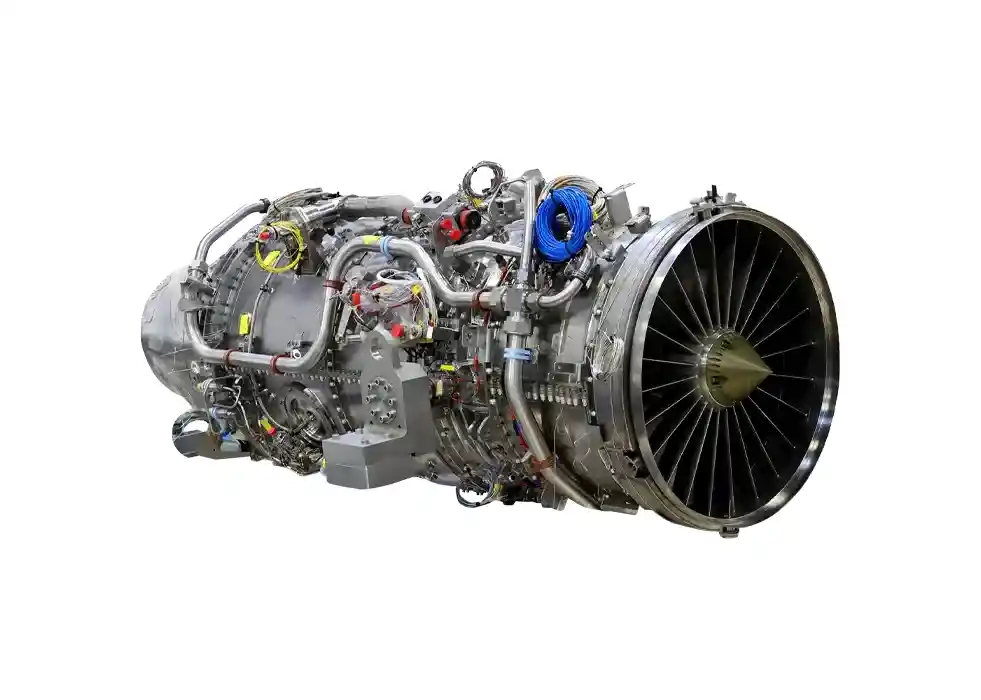
Pratt & Whitney is making use of shared digital data packages to accelerate the development of the XA103 variable cycle turbofan engine for the NGAD programme.
To accelerate the development of the XA103 turbofan engine as a contender for the NGAD programme, Pratt & Whitney is making use of digital data packages for more accurate outlines in the requirements and design phase.
The firm has invested $30 million to strengthen its digital engineering infrastructure, aside from the parent company RTX’s investments.
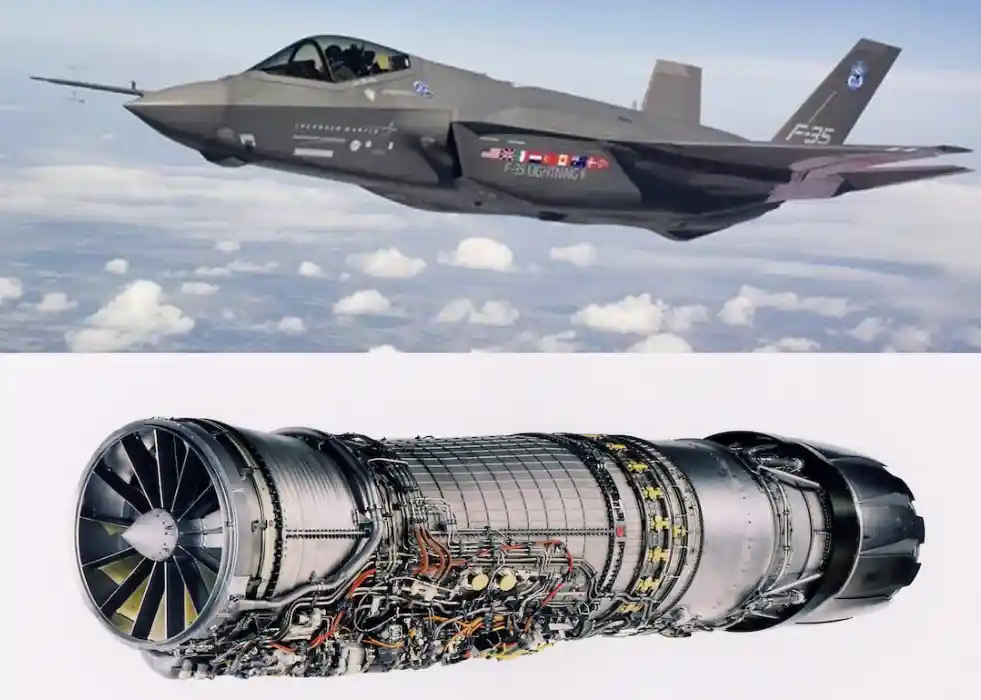
XA103 is competing with GE’s XA102 variable cycle turbofan engine to power the F-47 fighter jet, which will succeed the F-22 Raptor.
Variable Cycle Turbofan Engines
Whereas a turbofan engine has a fixed bypass ratio (The amount of cold air from the fan to the amount of air from the combustion) for a specific use, adaptive cycle turbofan engines can change this ratio to allow optimal performance at different flight regimes.
To break it down further, the bypass ratio is proportional to the fuel consumption and inversely proportional to efficiency at high speed. Thus, lower bypass ratios are preferred for fighters or other high-speed aircraft. With an engine that can adjust this bypass ratio, lower fuel consumption at long-range cruises can be achieved, or higher efficiency for supercruise situations compared to today’s fifth-generation fighter engines. This is a critical subject for Boeing F-47 chosen in the NGAD programme, as it is envisioned to provide a leap in the combat radius at 1000 nm.