Turkiye becomes more important as a major NATO ally with increasing rare earth elements (REEs) potential as the US searches for substitutes for Chinese mineral supply chains.
President Trump’s reinvigorated campaign to diversify world supply lines away from Chinese domination is causing the United States to sharpen its attention on Turkiye’s vital mineral assets, particularly rare earth elements (REEs).
In a recent Senate hearing, ambassador-designate Thomas Barrack mentioned Turkiye’s untapped REE resources as a strategic chance under Washington’s changing trade and industrial perspective.
Tracing his family lineage back to the Ottoman Empire, Barrack emphasised a professional background based on Middle Eastern business and infrastructure. Emphasising how his cross-cultural diplomatic style was formed by his legal work in 1970s Saudi Arabia, where he oversaw project funding for major gas and oil projects, he described those experiences. Later, he started a worldwide private equity company running in 19 nations, stressing his capacity to negotiate difficult regional dynamics.
He said that Turkiye is both a NATO military force and a possible strategic partner in strategic mineral supplies. While also recognising strains in bilateral ties, he lauded Turkiye’s participation in initiatives for regional security like the Black Sea Grain Corridor and counterterror operations in Syria. Barrack promised to “navigate these to ensure that the partnership endures as a pillar of transatlantic stability and mutual trust” and urged diplomatic relations to keep Greece involved.
New Dimension on Turkiye US Relations; Africa
Barrack’s comments especially highlighted Turkiye’s expanding presence in Africa, where Turkish companies are progressively vying with Chinese ones in areas including construction, defence, and logistics. This fits Washington’s more general move towards creating substitute supply alliances.
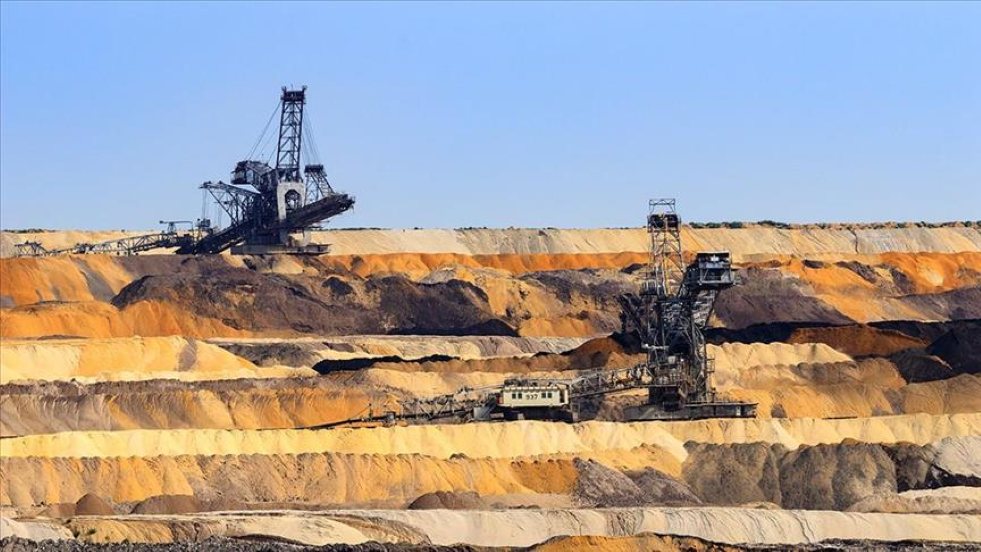
Though Turkiye’s REE deposits are modest compared to world leaders such as China, Vietnam, and the United States, new geological studies have increased their relevance. Once considered one of the largest untapped light rare earth deposits in Europe, the Eskişehir-Beylikova deposit in western Turkiye has more than 694 million tonnes of REE-bearing ore.
Modest amount but strategic location REEs
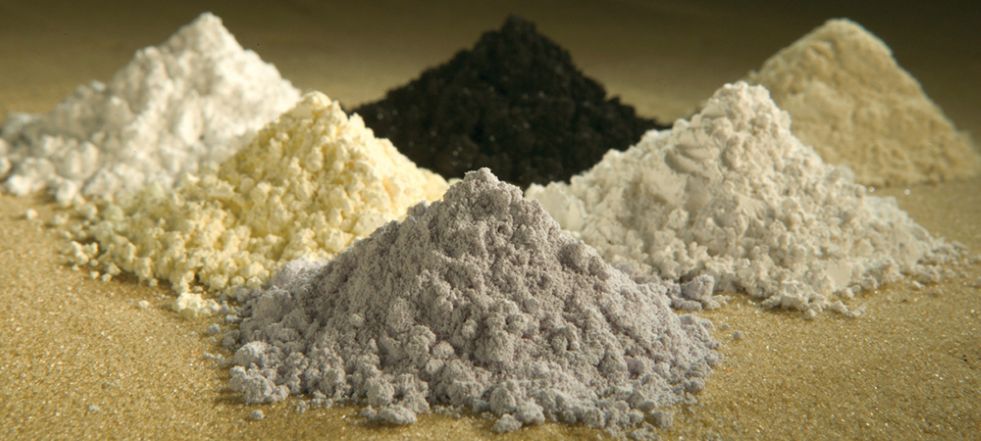
Found on the property and vital for the production of high-efficiency magnets used in missile guidance systems, fighter planes, wind turbines, and electric cars, lanthanum, cerium, neodymium, and praseodymium—all of which the US Department of Defence considers required for national security.
Turkiye’s mineral profile, therefore, offers a chance to strengthen NATO’s industrial resilience and lower Western dependence on Chinese supply chains. Africa has also attracted notice because of the strategic relevance of REEs. Although China is still a major force in African mining, the US and EU-led Minerals Security Partnership (MSP) has increased collaboration with African countries to build autonomous, sustainable supply chains. Turkiye’s increasing presence in Africa might, therefore, promote resource access via politically appropriate and logistically integrated partners—providing a safer option to Chinese-backed projects, hence complementing NATO’s long-term objectives.
REE: Crossroads between NATO and China
Though interest is rising, Turkiye is not yet mentioned as a significant REE producer or processor in the US Geological Survey’s (USGS) Mineral Commodity Summary 2025. The report omits Turkiye due to its current lack of industrial-scale extraction, though it provides detailed data on global mineral output and trade dynamics. However, the Beylikova site remains undeveloped, and Turkiye’s REE processing capabilities are still nascent—offering room for US–Turkiye cooperation in technology transfer and investment. A formal recognition of Turkiye’s potential came in September 2024 when it joined the Minerals Security Partnership. The MSP includes 14 countries and the European Union and aims to build resilient and transparent supply chains for critical raw materials, including REEs. Turkiye entered with a clear commitment to cooperate with the United States, the European Union and others on the production of critical raw materials and rare earth elements.
Economically, Barrack underlined Turkiye’s increasing significance in high-value industries such as aerospace, energy, and military production. Deepening its technical capabilities in aviation and defence systems, Turkiye is a major buyer of US liquefied natural gas (LNG). Barrack said that, with continuous work, President Trump’s revived aim of $100 billion in bilateral trade is reachable.
Author: Özgür Ekşi