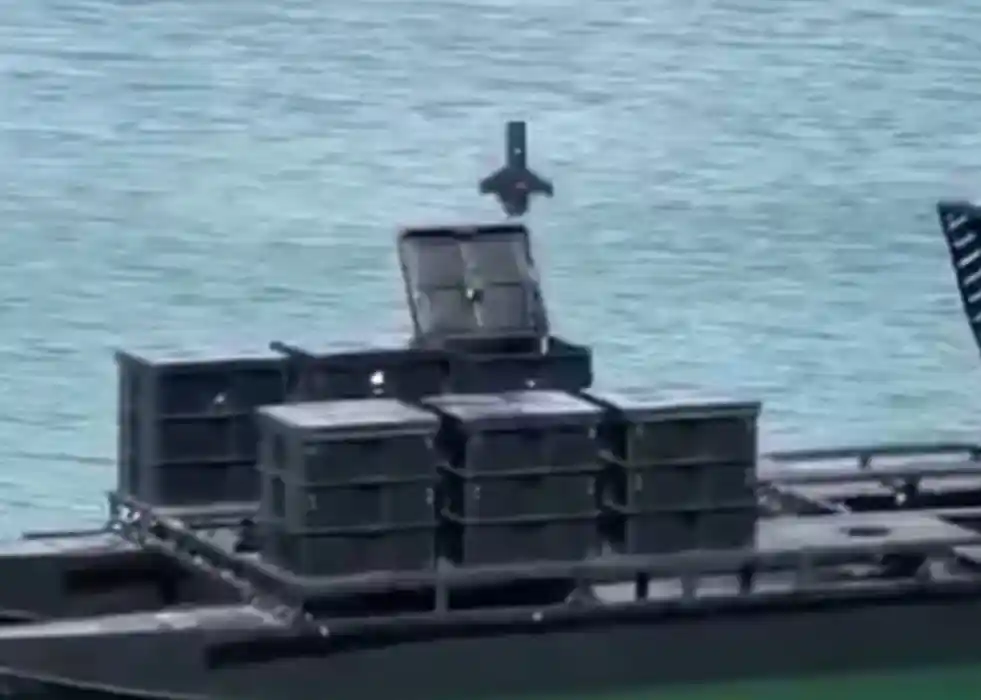
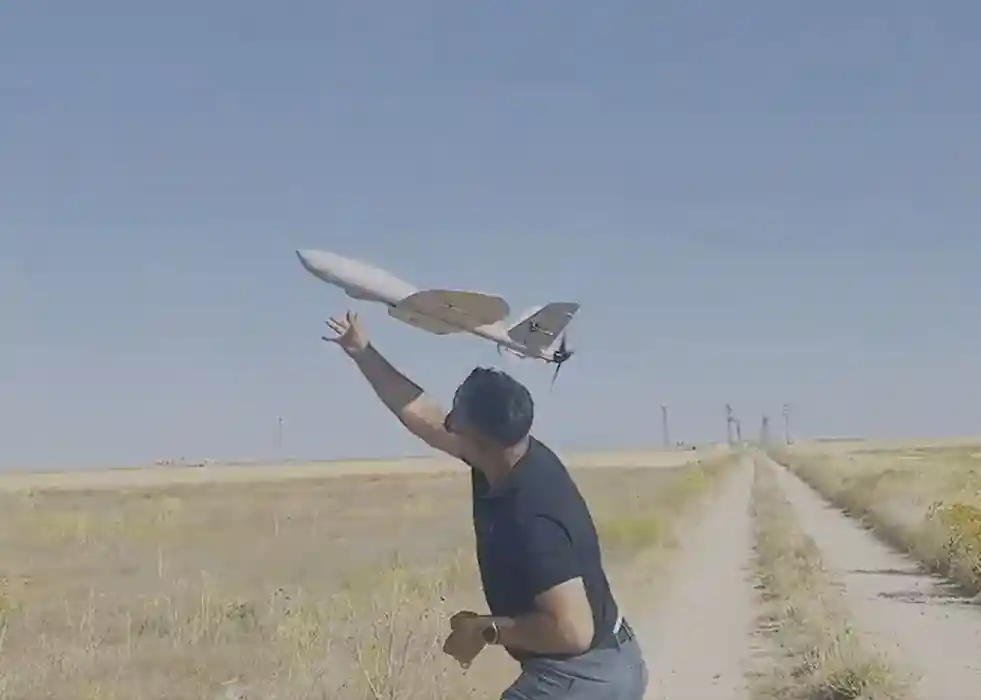
The STRIX production model developed by BAE in collaboration with Perth-based Innovaero utilises a hybrid-electric propulsion technology. The hybrid, tandem-wing, multi-domain, multi-role UAS STRIX will integrate the capacity to transport substantial payloads and armaments throughout extended missions.
The trials demonstrated BAE’s Vehicle Management System (VMS) and its capability to manage STRIX during launch, manoeuvring, prolonged hovering, and recovery.
The STRIX, engineered in Australia, collapses to dimensions of 2.6 × 4.5 m (8.5 x 14.8 ft) to fit within a shipping container and can transport a weight of 160 kg (353 lb) across 800 km (500 miles).
The UAV will execute air-to-ground strikes and conduct intelligence, surveillance, and reconnaissance operations. It may function as a “loyal wingman” to accompany military helicopters.

The airframe is compact, including medium-width wings both front and back. When observed head-on, the forward wings are inclined downward while the rear wings are inclined upward, creating an X-wing configuration; the four wing tips contain large-diameter propellers. The Strix’s landing gear is affixed directly to the aircraft’s tail and on elongated stilts anterior to the centre, enabling it to traverse the ground with its nose elevated at an angle.
It can be vertically launched and landed without a runway; the upward inclination at rest enables it to remain upright on its rear wheels under propeller propulsion before takeoff and landing exclusively on the rear wheels, much to a tail-sitter.