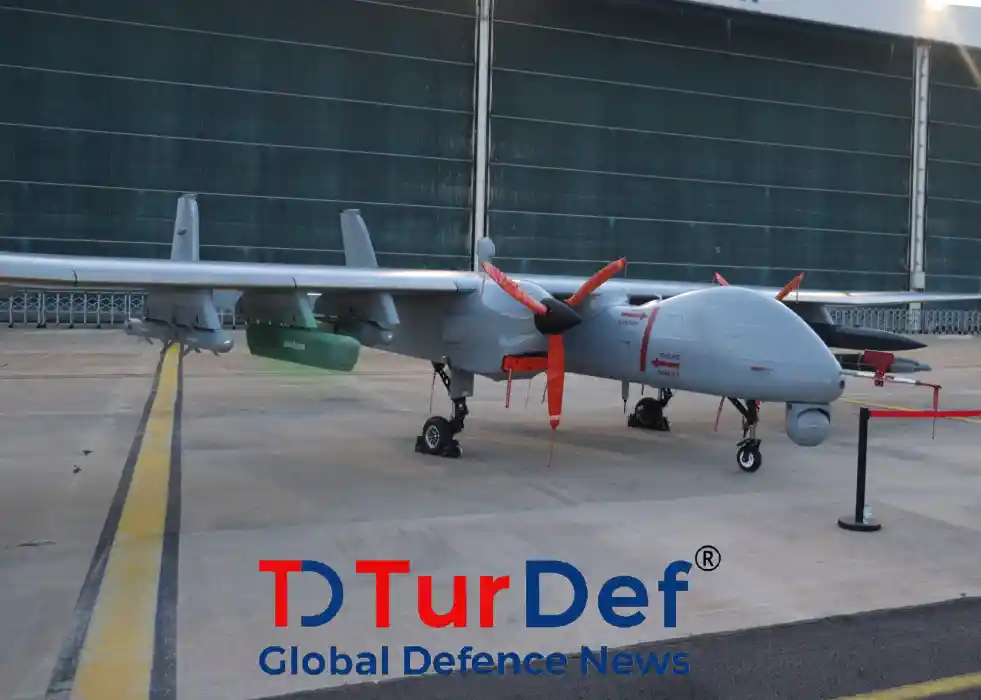
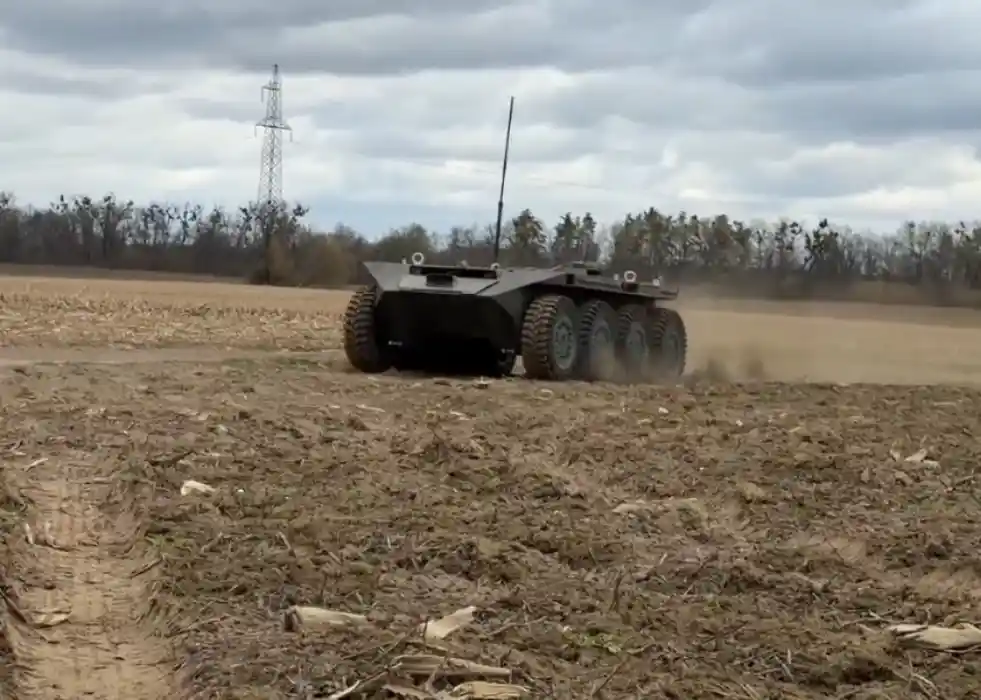
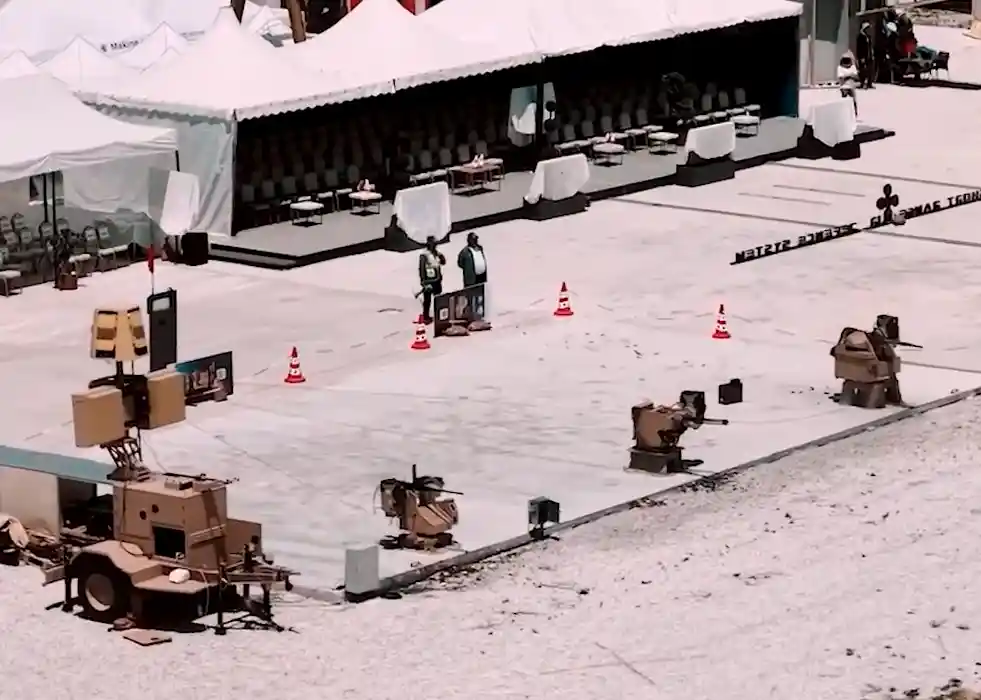
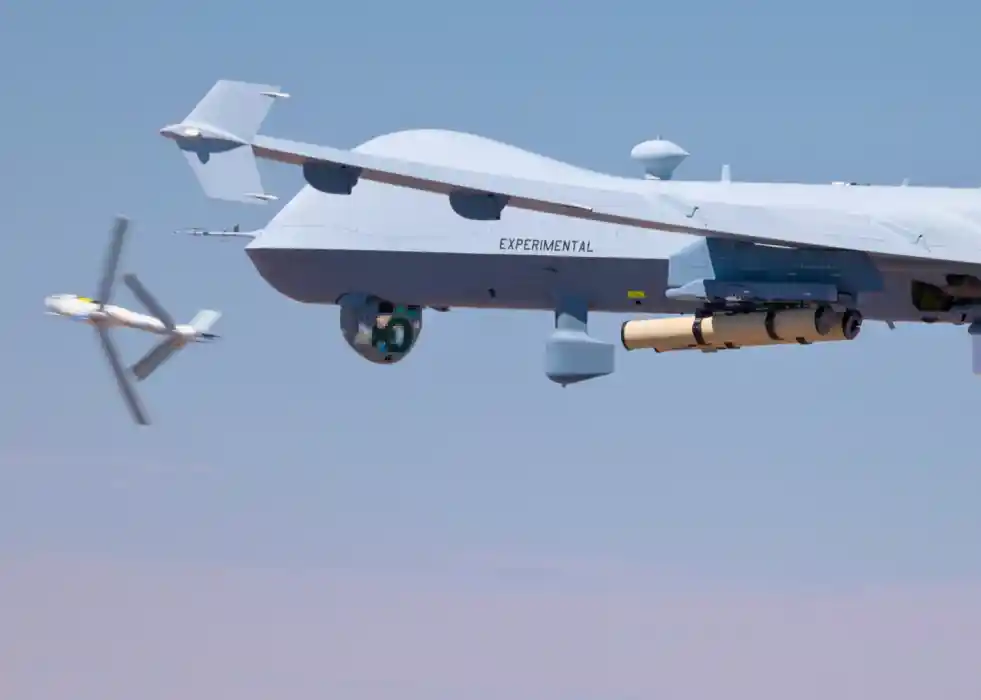
CNAS's Drone Proliferation report shows that the UAV market has snowballed globally over the past five years. It indicates the rise of Turkish UAVs.
The report that shows UAV sales data in the 1995-2023 period shows the effect of critical events such as the "War on Terror", China's and Turkiye's entries into the market, and the Russian Invasion of Ukraine.
Turkiye's entry into the market is the point where an average of per cent 57/year increase in sales had occurred per year until 2023 (excluding 2020 because of the COVID-19 pandemic's impacts on the industry).

It is also important to separate the sales into categories of armed UAVs/UCAVs, unarmed UAVs, and kamikaze UAVs.
For unarmed UAVs, the sales had been around the same level, but the Russian Invasion of Ukraine, showing the efficiency of observation by UAVs in ISTAR missions, caused a doubling in global sales from 30 to 61.
Armed UAV/UCAV sales increased more significantly after Turkiye entered the market between 2020 and 2021, and they kept increasing slightly but steadily in the following years. Turkiye took over the leadership in exports after China starting in 2021, which corresponds to a near-tripling in armed UAV/UCAV exports.
The low export count of the U.S. can be attributed to the high costs of the platforms and strict controls on the armed UAV/UCAV sales. It can be observed that a very large portion of the U.S.'s armed UAV/UCAV customers are NATO members or have above-average economic status.
In China's case, the low cost per unit had been an attraction, especially for African countries, but technical issues and risky financial support terms eventually hammered the figures in 2020-2023.
Kamikaze UAVs, much like unarmed ones, boomed after the Russian Invasion of Ukraine due to a similar reason. Both sides have regularly utilised various types of kamikaze UAVs to attack manpower and critical infrastructure with proven cost efficiency.

Israel and Iran have been at the top two spots when it comes to the export of kamikaze UAV exports.
Israel's experience with kamikaze UAVs since the IAI Harpy was introduced in 1989 can be said to play an important role in this. Currently, the Harpy, Harop, and Hero families of loitering munitions have allowed Israel to make exports to European and Asian countries.
Despite joining the game later, Iran has taken a different route with simple and cheap products. A well-known example of this approach is the Shaheed-131/136 kamikaze UAVs, utilising a significant amount of civilian components and primitive flight control but carrying enough warheads to damage small buildings.
Despite the leadership in the armed UAV/UCAV market, Turkiye falls significantly short in the export of unarmed and kamikaze UAVs with low rankings. The existence of multiple companies working in these two fields coupled with this shortcoming are sufficient reasons to investigate the causes and seek improvements.