The U.S. Air Force Life Cycle Management Centre (AFLCMC) has issued an RFP for the ERAM stand-off munition, a system of significant strategic importance for Ukraine’s defence. This low-cost, high-impact system has the potential to significantly alter the dynamics of the conflict in Ukraine.
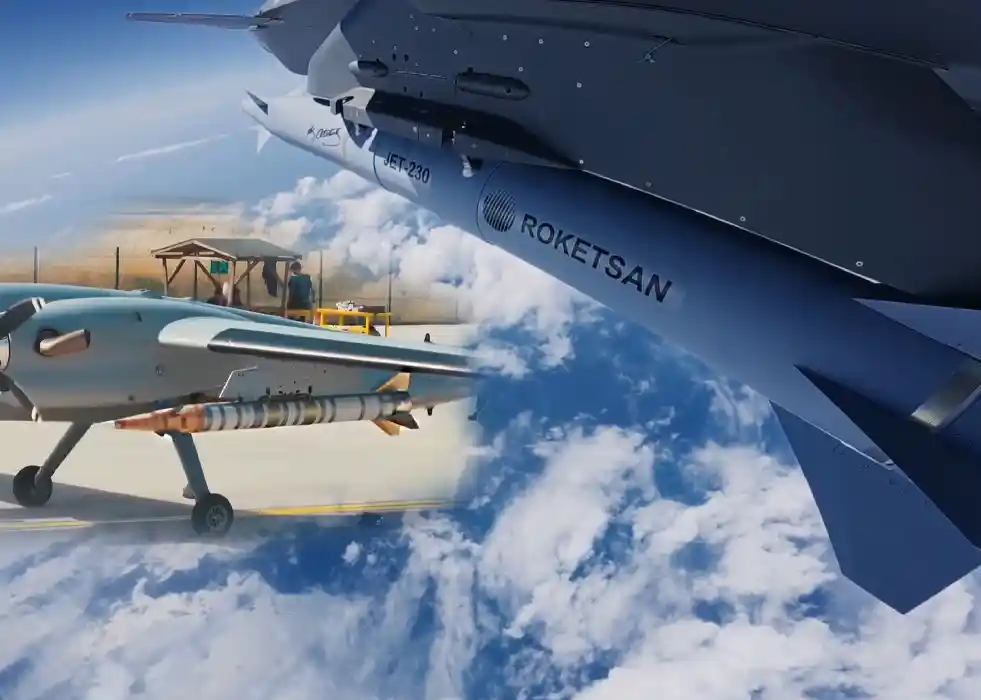
The RFP describes ERAM as an affordable air-launched stand-off munition with a range of 250 nm and a weight of 500 lb. The request document asks 16 undisclosed companies to deliver their proposal within the year. While technical requirements aren’t final, it can be inferred that the U.S. will develop a simplistic cruise missile that can be produced easily and at a low cost for Ukrainian fighters and attack aircraft. To achieve these metrics, ERAM will likely use off-the-shelf components (engine, warhead, flight control software…, etc.). Ukraine’s current air-launched cruise missiles like SCALP and Storm Shadow given by European countries are costly and thus delivered in limited counts.
Despite a series of successful attacks over the past months, their use has been limited to attacks on critical Russian bases and naval platforms. ERAM has the potential to fill a critical gap in Ukraine’s military capabilities. It can provide a low-cost, long-range attack munition that can be launched from aircraft, significantly enhancing the flexibility and effectiveness of the Ukrainian Air Force in stand-off strikes.
The Ukrainian aircraft’s longest-ranged munition that isn’t a cruise missile is currently the GBU-39/B SDB small-diameter bomb, which has a range of 110 km. The GPS-guided bombs have been exposed to adverse jamming, which has become a problem for other GPS-guided munitions supplied by the U.S. as well. One of the requirements addresses this with GPS-independent navigation in case of jamming.
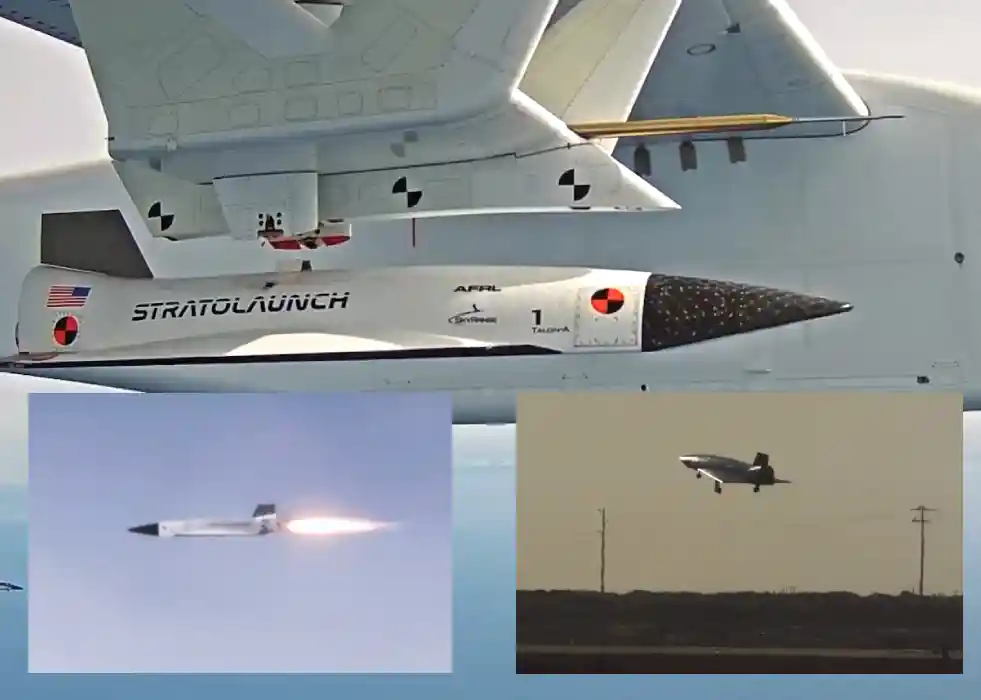
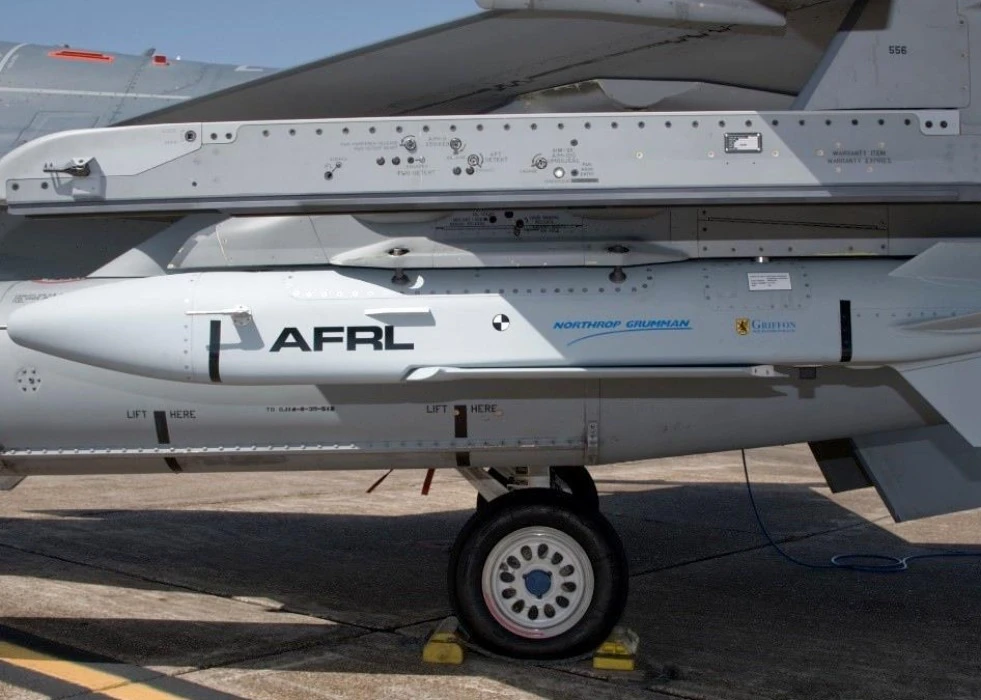
While no published design from any contender exists, there are hints from the past that can help with predictions. Lockheed Martin and Northrop Grumman have developed compact cruise missile prototypes with a simpler layout compared to examples like JASSM and LRASM. The prototypes aim to demonstrate a low-cost cruise missile approach, fitting ERAM’s description. In addition to the technical side of the ERAM, the request also points out that the U.S. expects the war to continue for more than a year with the development, testing, and production times considered.
However, the use might not be limited to Ukraine, with the U.S. taking steps to increase its military presence in the Pacific Region, where it is preparing for a potential conflict with China. A conflict with China would mean there has to be a high volume of ordnance delivery, and ERAM might be an answer in its league.