The US Missile Defence Agency (MDA), USNORTHCOM, and the US Space Force on June 23, 2025, tested the Long Range Discrimination Radar (LRDR) at Clear Space Force Station. The LRDR’s mission is mentioned in its name. The radar was designed to distinguish between real warheads and decoys during midcourse flight. It sends data to the Command and Control, Battle Management, and Communications (C2BMC) system. This is a crucial step in integrating LRDR into the US Ground-based Midcourse Defence (GMD) system.
The LRDR
Lockheed Martin’s production ground-based, solid-state, Gallium Nitride (GaN) active electronically scanned array (AESA) radar is used to accurately monitor and distinguish between intercontinental ballistic missiles (ICBMs) and sophisticated manoeuvring threats.
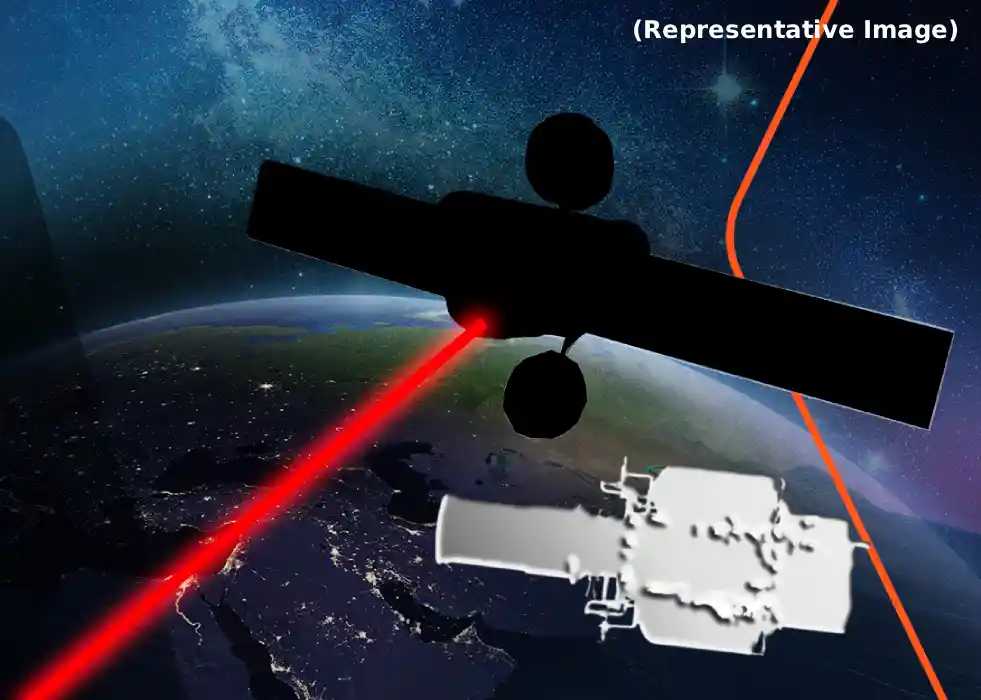
ISR satellites are widely used for early warning missions. However, they can’t determine the difference between lethal payloads and countermeasures with the required accuracy and speed. LRDR addresses this important gap by enabling a permanent ground station to track objects with high precision. This makes judgments about how to engage interceptors more effective.
MDA is still testing the system with C2BMC and the Exoatmospheric Kill Vehicle (EKV) interceptors, and it is expected to be ready for operational use later this year.
Author: Özgür Ekşi