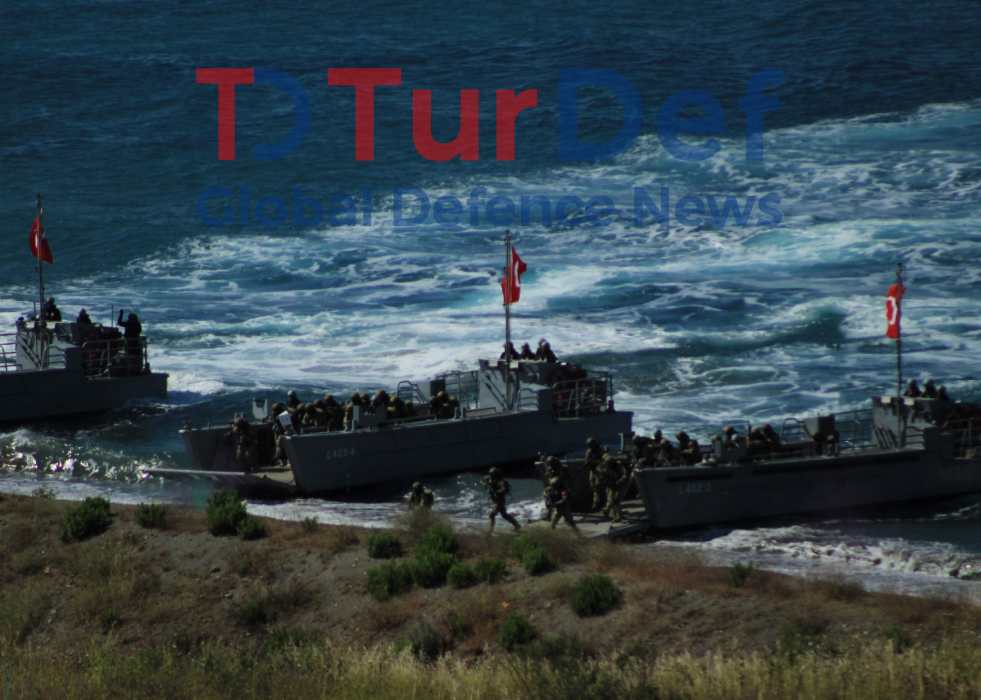
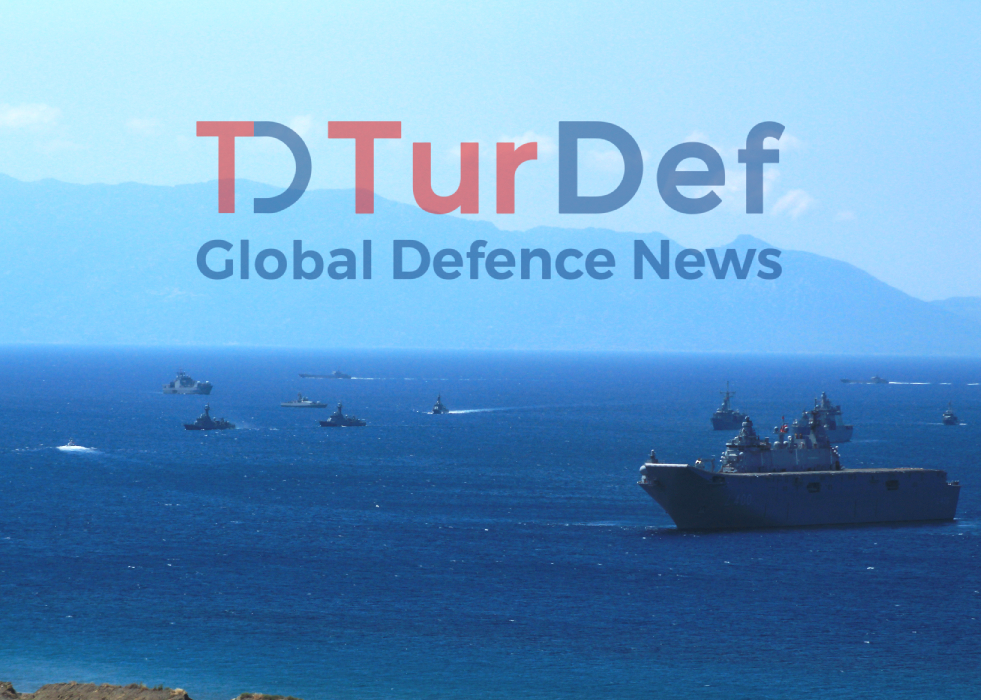
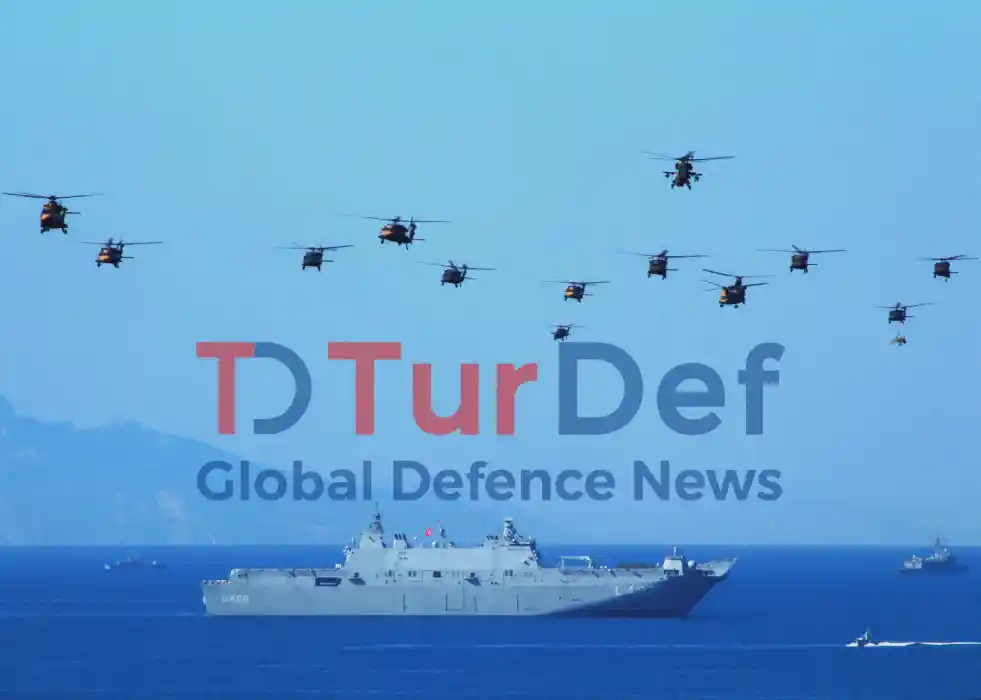
Ada-Class Corvettes, once the pinnacle of Turkish naval aspirations, now serve as a vital asset in the protection of Turkish sovereignty within its territorial waters and exclusive economic zones. These vessels also serve a strategic function by demonstrating Turkiye's presence in international waters, a demonstration underscored by the flying of the Turkish flag. The Istif-Class Frigates are also today's presence of the Turkish Navy. Nevertheless, the TF-2000 project is widely regarded as pivotal in shaping the Navy's future.

The necessity for an air defence destroyer emerged to enable Turkiye to establish layered defence in its maritime operational areas and to consolidate advanced air defence/attack capabilities on a single national major surface combatant. Within this scope, the Turkish Naval Forces initiated the design process for the TF-2000 Air Defence Destroyer Project on 14 January 2019, with responsibility for this task assigned to the Design Project Office.
The vessels, which will provide the capability to simultaneously secure all of the Republic of Turkiye's areas of interest in the Eastern Mediterranean, Aegean and Black Sea with four units, can be described as the culmination of the foundation laid by the Ada-Class Corvettes and the experience gained with the Istif-Class Frigates. As per the plan, the anticipated domestic contribution ratio for the air defence destroyers is approximately 86 per cent.The platform, with a planned displacement of 8,300 tons, is to be 149 metres long, 21.3 metres wide and have a draught of 4.75 metres. The TF-2000s will operate diesel engines during cruise. However, when higher speed is required, the CODOG (Combined Diesel or Gas) propulsion system allows transitioning to gas turbines, enabling speeds up to 27 knots, depending on environmental conditions. The fact that integration is difficult and costly, and that the CODAG structure, which is subject to high wear and tear, has not been selected for long-term economic service life, is one of the advantages in terms of operating costs. The platform's designated living space capacity is planned to be in the range of 180 to 210 individuals, including of crew members, special mission elements and personnel allocated to aviation facilities.

In contrast to the majority of frigates and corvettes currently in the Turkish Navy's inventory, destroyers will be equipped with two hangar facilities compatible with 10-ton-class helicopters, analogous to those on current Oliver Hazard Perry-Class ships. Regarding possible more extensive requirements, the helipad capacity will be sufficient to support 15-ton-class aircraft. In addition to the platforms, the infrastructure will also include suitable storage and control facilities for operations involving unmanned surface vehicles (USVs), mini-UAV/drone launchers and rotary-wing swarm UAV systems.
Regarding the armament of the TF-2000, destroyers will feature a wide range of armament infrastructure that meets the stipulated requirements for their class. The barrelled armament of the ship is planned to consist of one 127 mm main gun at the bow, a 35 mm Gökdeniz close-in weapon system (CIWS), a 25 mm STOP remote-controlled weapon system (RCWS), and 12.7 mm and 7.62 mm machine guns. In order to counter underwater threats, it is proposed that an anti-submarine warfare (ASW) torpedo tube assembly be installed on each lateral side of the vessel. ROKETSAN Levent or ASELSAN Göksur are listed in regard to short-range air-to-surface missile requirements. A total of 96 cells from MİDLAS (Millî Dikey Atım Sistemi / National Vertical Launch System), the main striking force of the platforms, are positioned in the upper and middle sections. The strike version of hardware is reported to be capable of launching various types of ammunition, including the Gezgin cruise missile, the ROKETSAN Atmaca anti-ship missile, the SAPAN G/M-1/2, the Hisar-D, the Siper Blok-1 air defence missiles, and anti-submarine warfare rockets. Mounting all primary armaments on a vertical launch system (VLS) endows the platform with intelligence superiority and increases the element of surprise against opposing forces. Moreover, the absence of exposure of weapons can be regarded as a substantial benefit with regard to radar cross-section and electromagnetic signature management.
The long-range vision for the platforms will be articulated by ASELSAN ÇAFRAD. Furthermore, the acquisition of preferred electronic support and jamming systems, navigation radar, and electro-optics will be facilitated through the utilisation of domestic suppliers.
A series of modifications were implemented in the designs of the destroyers, which represent the pinnacle of Turkish military shipbuilding self-sufficiency, underpinned by domestic design and construction capabilities utilising indigenous weapons and subsystems. The primary structure in the superior region of the vessel was converted to an integrated mast configuration, with the electronic warfare antennae replaced by phased-array systems. This reduced the radar cross-section and electromagnetic signature. This structure is clearly distinct from the Ada and Istif Class ships, as evidenced by several significant differences.
A further issue that has been addressed is that of the systems of the weapons. Raising the deck to facilitate the complete burial of the MIDLAS tubes represents a substantial advancement in structural integration, operational convenience, radar cross-section reduction, and minimisation of potential damage risk. Furthermore, design modifications are applied with a view to concealing the sixty five launchers located in the midship. In addition, measures were implemented in the Göksur and Levent sections with rails to secure the exposed equipment. The hangar roof area was structurally reinforced, and a hold was added to the Gökdeniz CIWS as well. The implementation of this enabled the system continuous operation with automatic feeding. The space above the hangar was utilised to enhance its functionality, thereby providing flexibility and achieving gains in line with both the ship's weapon density and future modernisation requirements. It is evident that the necessity to decelerate the reloading process to Gökdeniz, the final line of defence against asymmetric threats, air elements, and enemy-guided missiles, has been eliminated whilst simultaneously enhancing the fortitude of the vessel's steel construction. This signifies that substantial advancements have been made, not only in structural design but also in the ship's firepower and survivability.
The integration of exhaust gas cooling systems (IRSS / Infrared Suppression System) into the funnels of destroyers, in conjunction with the relocation of replenishment-at-sea stations to the bow, has been implemented as part of the latest modifications. This strategic alteration aims to mitigate the vessels' detectability. It is known that the system was intended to be integrated into MilGem vessels as well, but this was not possible due to size constraints.
The Design Project Office is placing particular emphasis on survivability with BOSS and DÜFAS. Thanks to the groundbreaking equipment, the anti-submarine warfare capability of destroyers has been further enhanced, reaching up to 80,000 yards. The vessel is equipped with watertight compartments that prevent flooding. Double hull structure, which is integral to the vessel's design, is present in critical sections, thus minimising the potential for damage. This ensures that vital requirements, such as reaching the nearest port in the event of damage, are guaranteed.
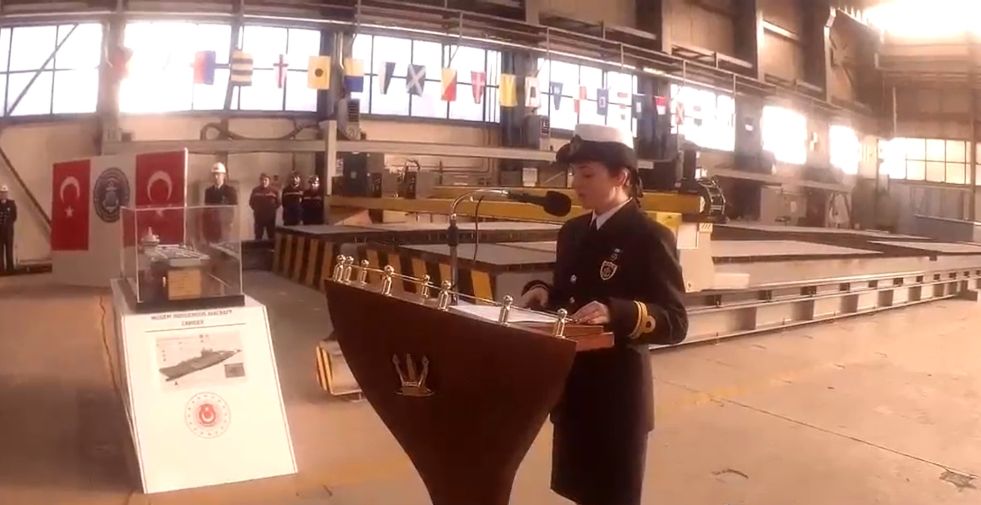
The construction of the destroyer will be carried out by the General Directorate of Military Factories and the General Directorate of Naval Shipyards (ASFAT/Askeri Fabrika ve Tersane İşletme Anonim Şirketi) under the auspices of the Ministry of National Defence, with the aforementioned organisations assuming the role of the main contractor. The project will be executed at the Istanbul Shipyard Command. The inaugural vessel is scheduled for launch in 2028, with her entry into service with the Turkish Naval Forces anticipated by the end of 2030, subsequent to a two-year process involving fitting, integration, testing and commissioning.
Air defence destroyers, equipped with advanced radar and sensor technology and the ADVENT integrated combat management system, will be capable of protecting fleets and critical maritime areas against air threats during long-range missions. These combatants can be characterised as platforms that, thanks to their long-range engagement capabilities, can neutralise enemy aircraft, cruise missiles and unmanned systems without approaching friendly forces. In addition, they ensure the continuity of naval operations by providing an air defence umbrella to task forces. Air defence destroyers, with their high displacement hull structures, powerful propulsion systems and multi-layered defence architecture, are central elements of deterrence at sea. From a strategic perspective, the capacity of these platforms to undertake long-term missions in open seas and to integrate with multinational task forces renders them an indispensable force multiplier for modern navies that possess a strategic vision. The TF-2000s will establish sustainable air superiority over the exclusive economic zone (EEZ) and continental shelf, thereby expanding Turkiye's deterrent power and strategic manoeuvring space at sea. It is evident that the platforms will accompany the aircraft carrier task group, thereby flying the flag and serving as a strategic force multiplier for the Turkish Navy.
The TF-2000 is not the sole future combat ship design that is currently under consideration by the Design Project Office. Research and development efforts are ongoing into the designation of an intermediate class, which has provisionally been referred to as TF-2000 Flight II. The platforms have been designed to embody the modern equivalent of the Gabya-Class Frigates (Ex. Oliver Hazard Perry Class) that serve in the Turkish Navy, in terms of their mission capacity, weapon systems, long-range mission capabilities, and sensor infrastructure. The objective is to develop general-purpose frigates that can support task forces and aircraft carrier groups when necessary, while ensuring cost-effectiveness in both initial acquisition and operational expenditures. These vessels are designed to exhibit high levels of manoeuvrability. It is currently planned that the platforms, which will be 120-130 metres long with a displacement of 4,000 to 5,000 tonnes, will reach a speed of 27-28 knots with diesel propulsion. The weapon and sensor load will be similar to that of the TF-2000s, according to the shared information. The fact that the Gabya-Class Frigates have reached the end of their economic service life, coupled with the Turkish Naval Forces' increasing operational periods throughout the year and the Istif Class vessels reaching the end of their growth margin, means that a modern multi-purpose frigate is becoming an increasingly pressing requirement for the Turkish Naval Forces. The rapid execution of this step, in conjunction with the objective of establishing a comparable infrastructure with TF-2000, can be regarded as a pivotal vision in the context of accelerating processes and minimising initial acquisition and operating expenses.
Author: Özgür Ekşi