The Turkish Air Force (TurAF) returns to the multinational Red Flag Exercise at Nevada Air Base. Turkish Force Command dispatched F-16 fighter planes to participate in the second exercise, which will last two weeks and take place in 2025.
Turkish-US bilateral relations tend to return to previous days, and military cooperation follows this trend. Reflecting this leaning, five F-16 fighters from the 132nd “Hançer” (Dagger) Squadron of the 3rd Main Jet Base Command departed for the US accompanied by two KC-135R aerial refuelling aircraft and an Airbus A400M transport aircraft. The Turkish fleet made a technical stop in Portugal before crossing the Atlantic and landing at Prestwick, Goose Bay, Canada.
This year’s multinational exercise at Nellis included the Royal Saudi Air Force (RSAF) and the United Arab Emirates Air Force (UAEAF) alongside TurAF and the host USAF. Saudi Arabia flies F-15S and Eurofighter Typhoon aircraft; the UAEAF supplies F-16 fighters and A330 MRTT tankers.
Initiated by the USAF in 1975, Red Flag activities seek to improve ally combat preparedness and interoperability. Blue and Red Forces are formed from participants to reproduce realistic combat situations meant to test, assess, and improve tactical capabilities in almost real-time settings.
Turkiye first participated in a Red Flag exercise in 1997. Its attendance is notable within the Turkish aviation community, particularly due to the outstanding performance of Turkish pilots, as red force, epitomised by the renowned phrase “Tango-1 never dies.”
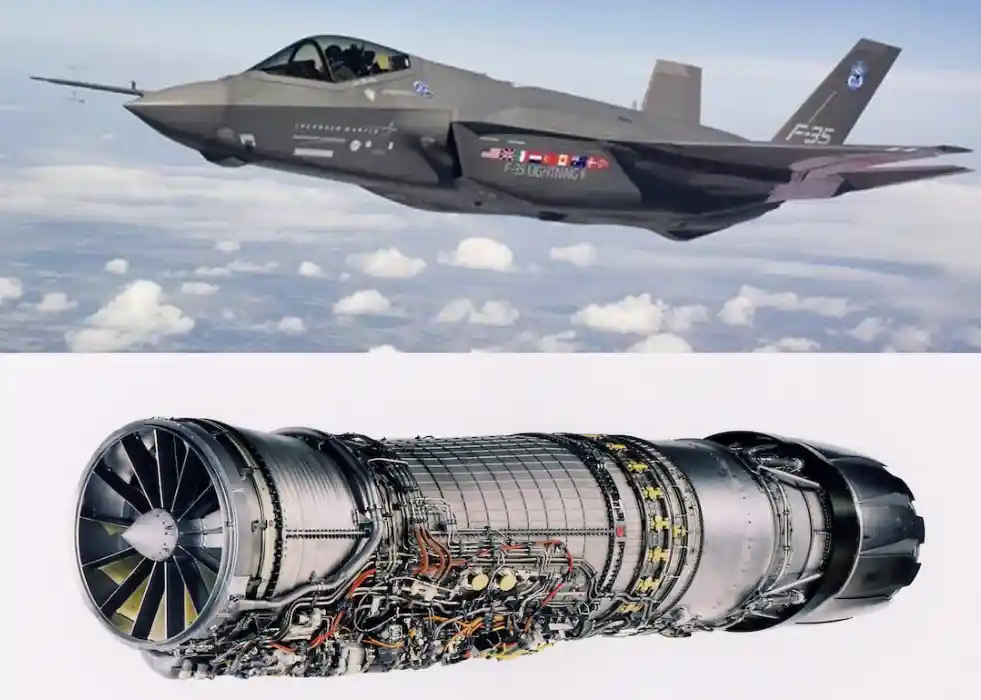
If US Air Force F-35A aircraft participate in the exercise, this will mark the second known encounter with Turkish F-16s.
Early Red Flag drill this year included US F-35A aircraft. During Red Flag incidents, most famously in 2016, TurAF’s F-16s have flown alongside US F-35 planes. This noteworthy event gave Turkish pilots their first knowledge about fifth-generation aircraft capabilities. Turkish pilots, in two batches, later joined the f-35 training programme.
The continued participation of TurAF demonstrates significant progress in Turkish-US military relations, offering critical opportunities for joint tactical evolution.

Red Flag’s core training objectives include:
• Realistic Aerial Combat Environment: It simulates enemy air defences, electronic warfare, and threat scenarios.
• Interoperability: The exercise aims to enhance joint operational capability and strategic coordination among allied air forces.
• Electronic Warfare Training: The multination contribution provides an environment for developing, testing, and validating new tactics and strategies against contemporary threats.
Following the success and experience gained in Red Flag in 1997, the Turkish Air Force established a similar training environment at Konya Air Base called “Anatolian Eagle” exercises.