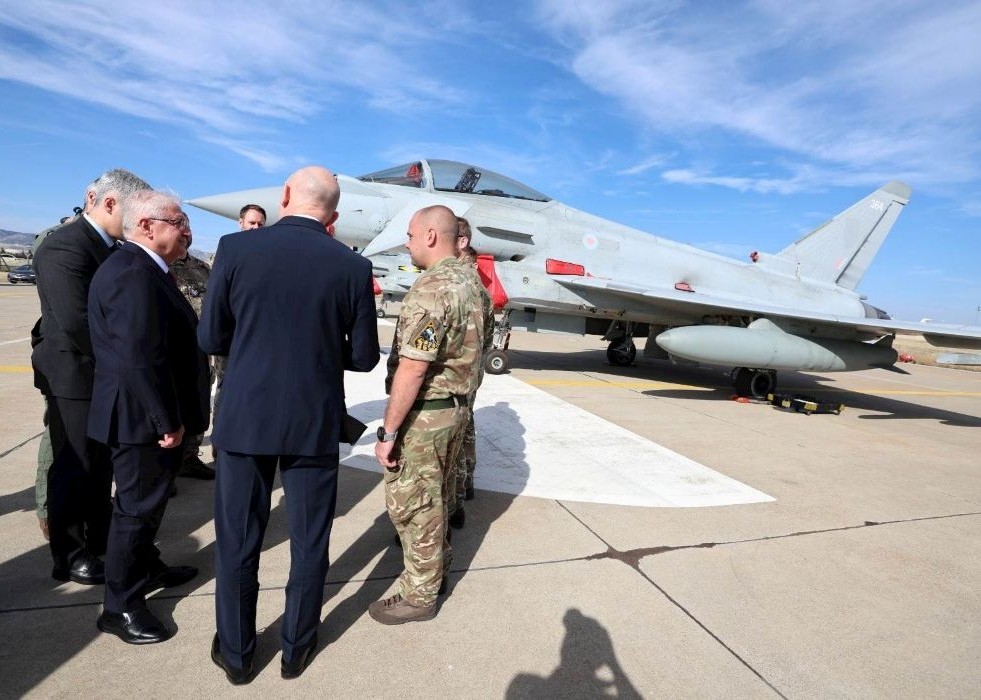
Turkiye has successfully concluded negotiations on its long-standing issue of Eurofighter Typhoon procurement. The recently concluded agreement between the United Kingdom and Turkiye will add 20 aircraft to the Turkish Air Force's fleet. Furthermore, the procurement of additional jets from existing users is also on the agenda.
The Turkish Air Force has faced challenges in completing its planned transformation with the F-35 Lightning II, following its removal from the programme on unfounded grounds. During this period, the veteran F-4E 2020 Terminators have remained in service to bridge the gap and continue their mandatory duties.
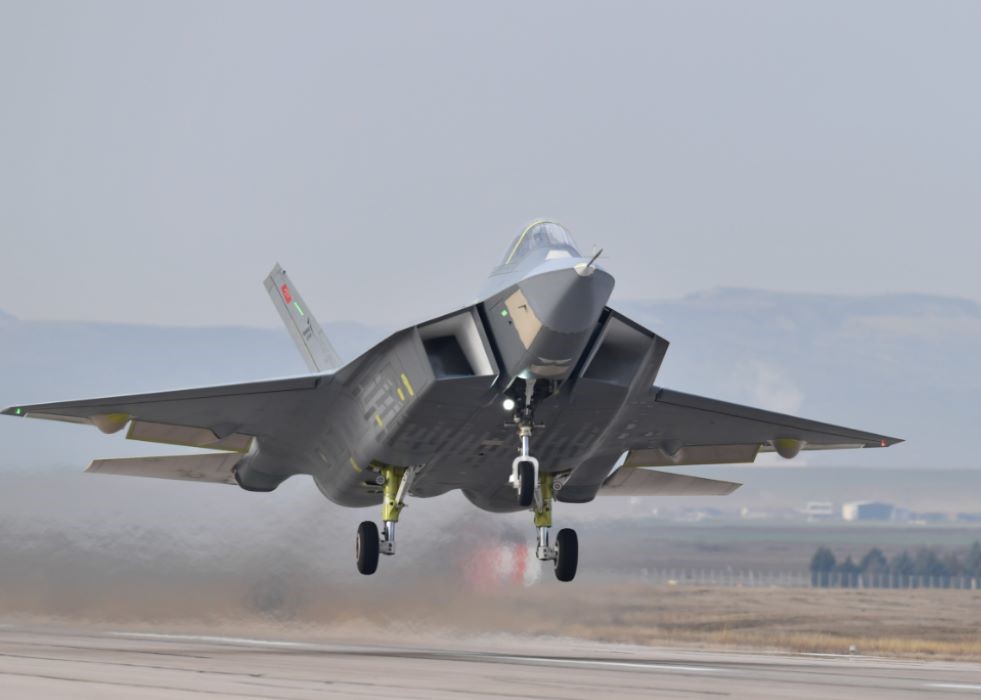
Ankara has taken a bold step by deciding to develop Kaan, its indigenous fifth-generation jet programme, which has already completed its maiden flight. However, the lengthy development timeline of such a platform, coupled with the Air Force’s urgent operational needs, has necessitated a new approach.
Eurofighter Typhoons, which had periodically featured in the Turkish press, re-emerged in the spotlight after Greece’s procurement of Rafale fighter jets from France reached a critical stage, creating an additional strategic imperative. This time, the steps taken were marked by greater decisiveness and speed than in previous attempts.
The Eurofighter Typhoon is undoubtedly a purebred air superiority aircraft. The platform, which entered service in its interceptor-oriented Tranche 1 form, evolved in the post–Cold War period, when shrinking budgets and shifting priorities elevated the need for multi-role flexibility over mission-specific specialisation. As a result, the Typhoon has developed into a multirole platform capable of conducting air-to-ground operations without compromising its air-to-air dominance — proving its worth in modern asymmetric warfare.
The Greek Rafales, described as omnirole aircraft, have made the Typhoon acquisition almost a necessity for Turkiye. Yet the Typhoon’s interceptor heritage ensures it can decisively close the skies to potential adversaries at medium and high altitudes. This will more than compensate for Ankara’s lost leverage in the Aegean, though there are other dimensions to consider.
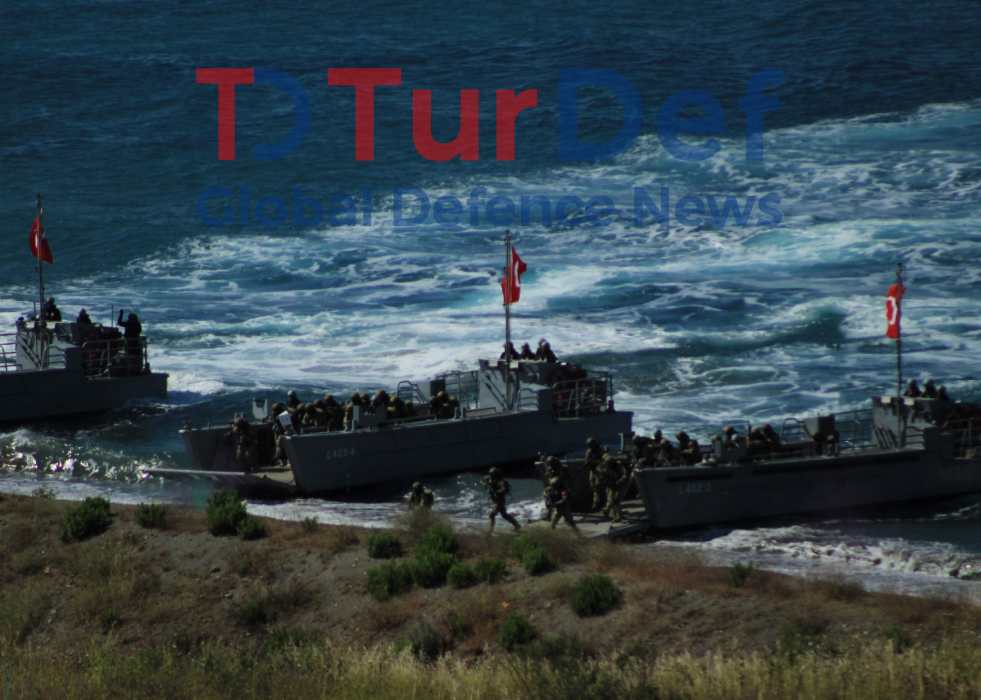
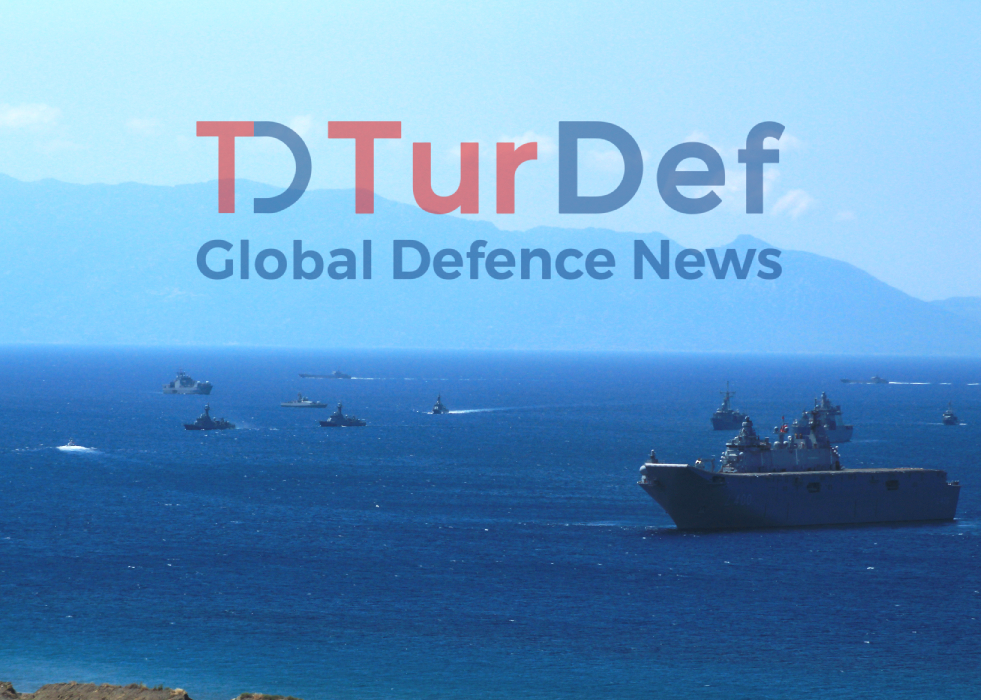
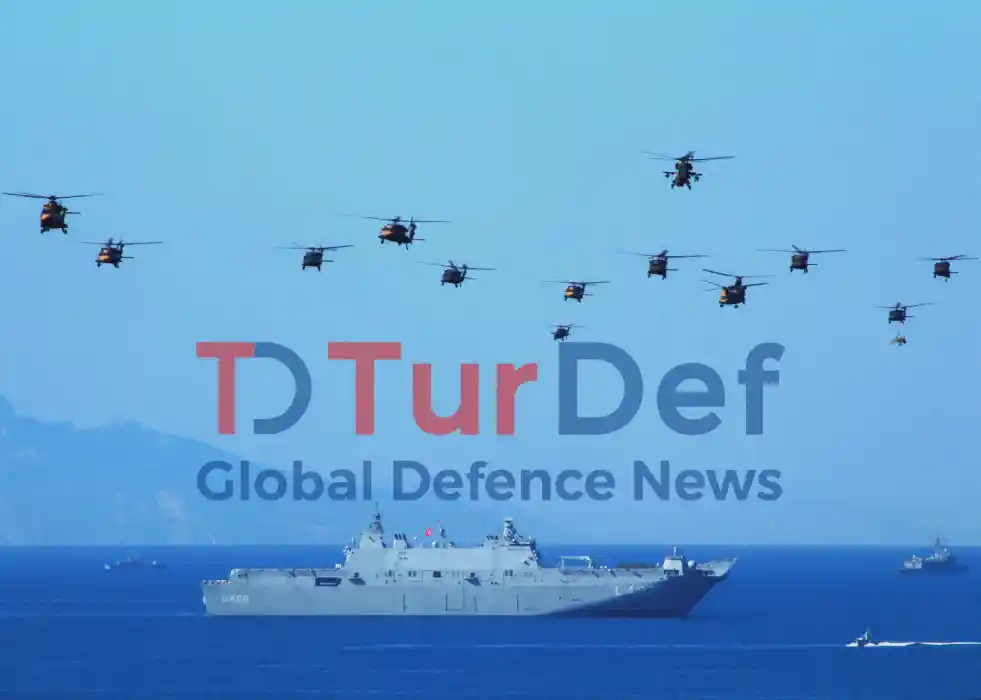
Türkiye’s significant advancements in the defence industry since the 2000s have enabled a high degree of self-sufficiency and alignment with national requirements. The entry into service of modern naval combatants and power-projection platforms such as the TCG Anadolu (L-400) has allowed Ankara to assume more prominent roles within NATO. Building on this naval progress, the Turkish Navy has evolved from deterrence and operational readiness into assuming top-tier responsibilities within both the United Nations and the Alliance.
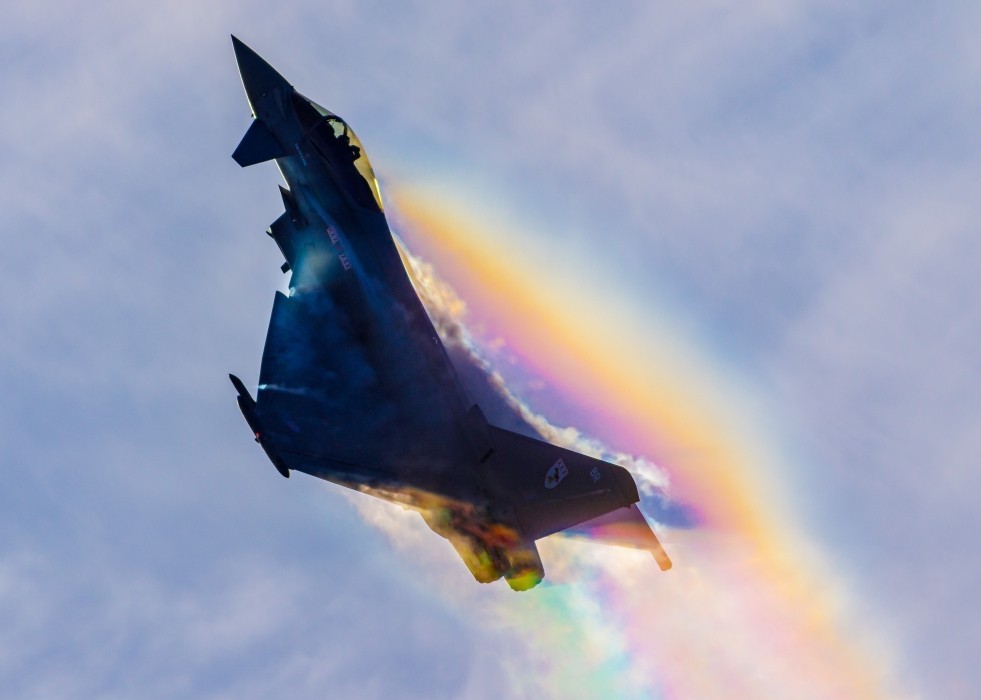
It is regrettable, however, that a similar breakthrough has not yet been achieved in the Air Force. The Baltic, Romanian, and Black Sea missions remain significant accomplishments, as do the force’s participation in Red Flag and NATO Tiger Meet exercises. The E-7T Wedgetail aircraft, meanwhile, continue to serve as critical Alliance assets for intelligence gathering and regional surveillance. Yet the Eurofighter Typhoon represents not only a combat multiplier for Turkiye but also for NATO in the increasingly complex conflicts of the modern era.
The Turkish Air Force today operates one of the world’s largest active fleets of F-16 Fighting Falcons. While these aircraft remain capable and are undergoing upgrades to sustain operational readiness, their growth potential will eventually plateau. A twin-engine platform equipped with advanced avionics, an AESA radar, and the ability to engage from higher altitudes will therefore strengthen both Turkiye and NATO’s air posture. Given that the Turkish Air Force’s readiness rates exceed global standards and its personnel demonstrate outstanding professionalism, this procurement also signifies a major enhancement to the Alliance’s overall capability.
Despite the geographical proximity of the two nations across the Aegean, and the occasional flare-ups between them, the possibility of Turkish Eurofighter Typhoons and Greek Rafales flying side by side in NATO operations cannot be ruled out. The acquisition of EF2000s will help restore balance in the Aegean and is expected to maintain regional stability, compelling Athens to postpone — at least for a while — its aspiration to extend territorial waters to 12 nautical miles, a move Ankara regards as contrary to international agreements.
The potential industrial benefits of this step should also not be overlooked. The F-16 programme previously enabled Turkiye to establish comprehensive maintenance, repair, and overhaul (MRO) capabilities for both airframes and engines. Ankara’s firm stance on offset obligations has been demonstrated in all major programmes, and the Eurofighter acquisition could yield similar gains — potentially enabling Turkiye to provide MRO support for Typhoon fleets operated by Gulf countries.
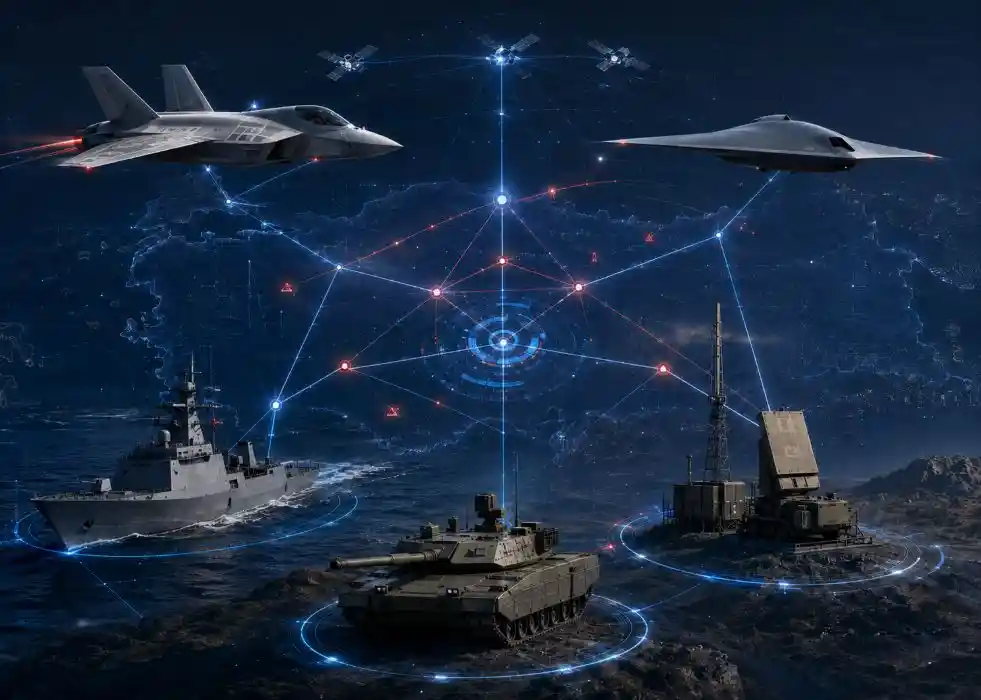
In the broader context, Türkiye’s ability to sustain air superiority will depend on a holistic strategy encompassing not only the Eurofighter deal but also tanker, airborne command-and-control, and radar network modernisation elements. Combined, these systems will create a multiplier effect that enhances airspace protection across NATO’s eastern and southern flanks.
Such an increase in capability will also enable the Turkish Air Force to undertake more extensive missions and assume command-and-control responsibilities akin to those of the Navy. In an era when Türkiye’s NATO role is being recalibrated after years of friction, the Eurofighter acquisition signals a reassertion of Ankara’s strategic autonomy within the Alliance — reaffirming its status as a front-line contributor to NATO’s collective defence.
Author: Özgür Ekşi