Turkish Air Force to form its future with stealth jets. Ankara may reroute $1.4bn F-16 payment to F-35 programme if readmitted under Trump administration.
According to two sources acquainted with the situation, Turkiye has greatly delayed development on a multibillion-dollar F-16 agreement with the United States as Ankara changes its strategic emphasis towards rejoining the F-35 fighter jet project, Middle East Eye said.
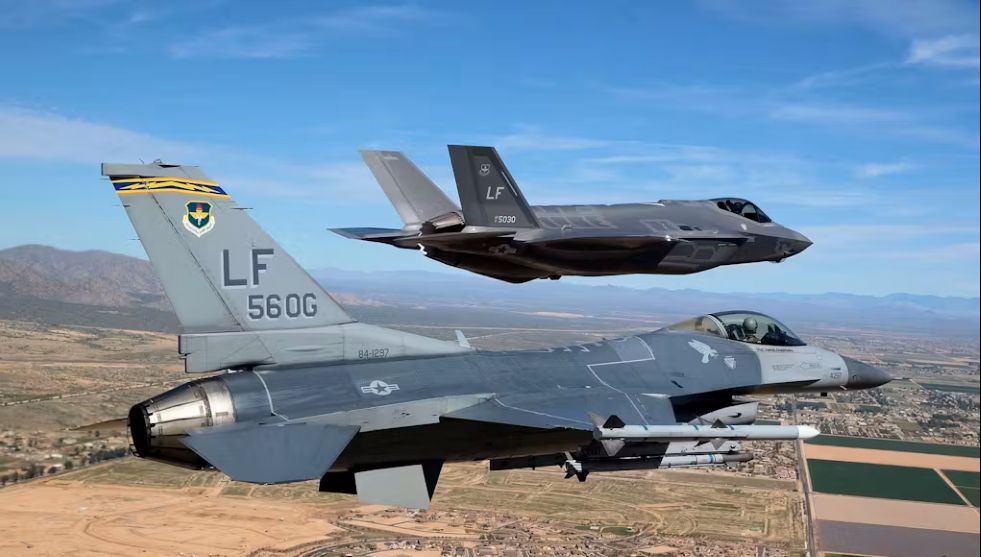
The change followed a March phone chat between Turkish President Recep Tayyip Erdoğan and US President Donald Trump during which Erdoğan pressed Washington to reconsider Ankara's F-35 project exclusion. A later Turkish presidential statement verified Erdoğan's call for Turkiye's F-35 involvement to start up again. Bilateral talks on this request have been revived.
Turkiye's 2019 purchase of Russian-made S-400 air defence systems, which sparked sanctions and caused its departure from the F-35 collaboration, remains one of the biggest sticking issues.
Yet Turkish Foreign Minister Hakan Fidan recently indicated that legal experts from both countries are now exploring frameworks to bypass or resolve the CAATSA-related sanctions. In fact, Fidan had hinted at such diplomatic recalibration in an earlier interview reported by TurDef, where he noted that discussions on Turkiye’s return to the F-35 programme were already underway. [TurDef – Fidan visits US to discuss CAATSA sanctions and F-35 return]
Turkiye was once a key industrial partner in the F-35 project, responsible for manufacturing critical components of the aircraft. The United States currently retains six Turkiye-funded F-35s in storage, awaiting a political resolution. Turkiye had been one of the principal members of the F-35 consortium and was responsible for producing several components of the fighter jet. The US is currently storing six F-35s that were built specifically for Turkiye and fully paid for, but have remained in limbo since 2019.
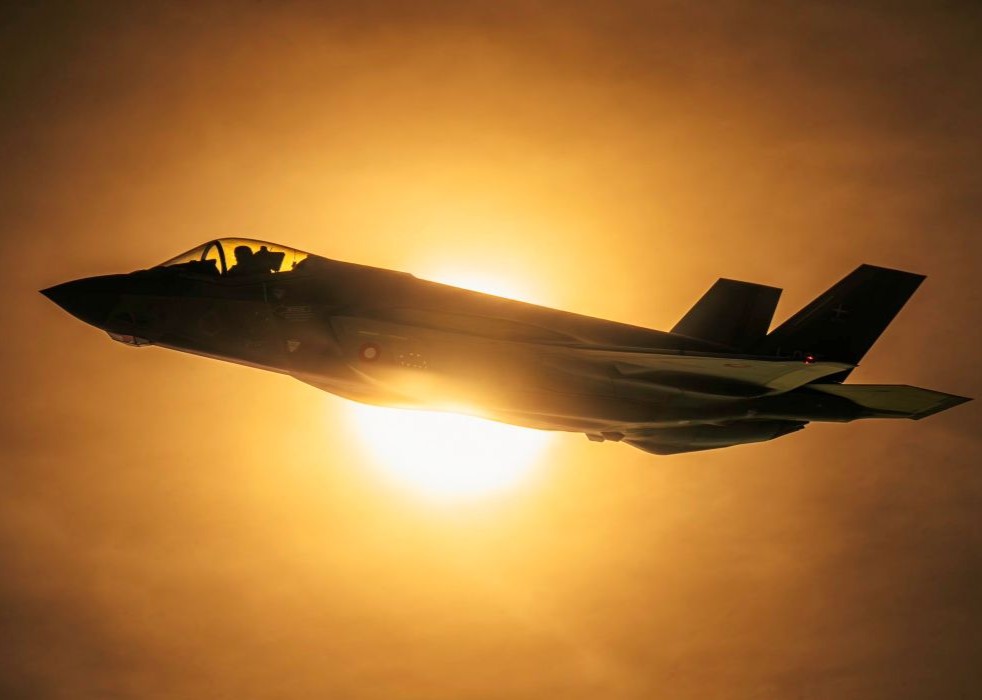
TurDef previously reported that, despite Turkiye’s removal from the Joint Strike Fighter programme, the aircraft are being maintained regularly at US Air Force bases. While American sources declined to reveal the storage and maintenance costs incurred so far, they confirmed that the jets remain operational. “The total amount will be known when both sides agree,” one source said. [TurDef – U.S.: The threshold on S-400 is the NDAA and CAATSA, not IAB]
Significantly, US sources acknowledged that Turkiye's return to the F-35 programme is still possible. They emphasised the country’s prior role as a central industrial contributor, ranging from central fuselage production to sole-sourced components. “US industry knows the high quality of Turkish products and the advantages they bring,” one official told TurDef, suggesting that growing global demand for the F-35 could open the door for renewed Turkish involvement.
Meanwhile, Ankara is signalling that the $1.4bn down payment made for F-16 purchases from Lockheed Martin could be redirected towards those jets—should the F-35 door be reopened.
“Turkiye has put the brakes on the F-16 deal,” one source told MEE, adding that Ankara does not intend to cancel the contract but wishes to prioritise F-35 procurement if conditions allow.
The initial F-16 deal was already revised down last year from an ambitious $23bn package to a more modest $7bn, which included 40 new F-16V aircraft but dropped the request for 79 modernisation kits. Turkish Defence Minister Yaşar Güler confirmed in November that the country had already paid $1.4bn towards this procurement.
Given that both aircraft are manufactured by Lockheed Martin, a financial reallocation between platforms is technically feasible, particularly in light of long production queues for F-16s. Bulgaria, for instance, waited three years for the delivery of its first aircraft.
“Turkiye needs every aerial asset it can field across its multiple theatres of operation,” the second source said, referring to expanding Turkish operations in Syria and the Eastern Mediterranean.
Güler also stated in parliament that Ankara aims to eventually acquire a total of 40 F-35s. If readmitted, Turkiye could immediately take delivery of the six jets already completed for its air force.
Nonetheless, regional opposition remains. Both Israel and Greece have reportedly lobbied Washington to prevent Turkiye’s re-entry, citing the need to preserve Israel’s qualitative military edge and regional strategic balance.
The Turkish Defence Ministry has yet to comment on the reports.
Author: Özgür Ekşi