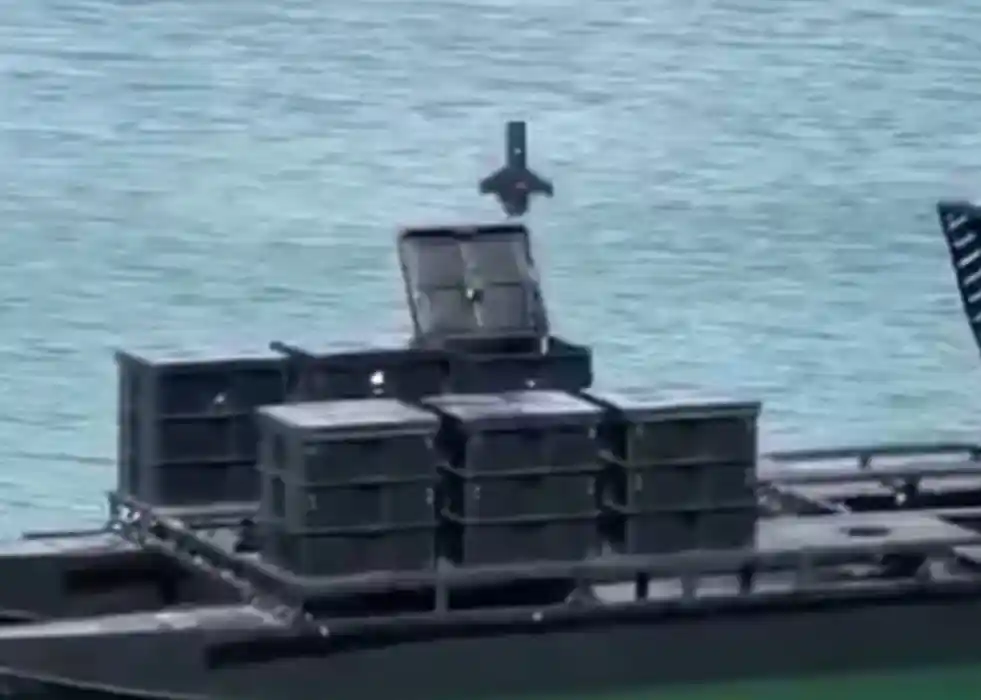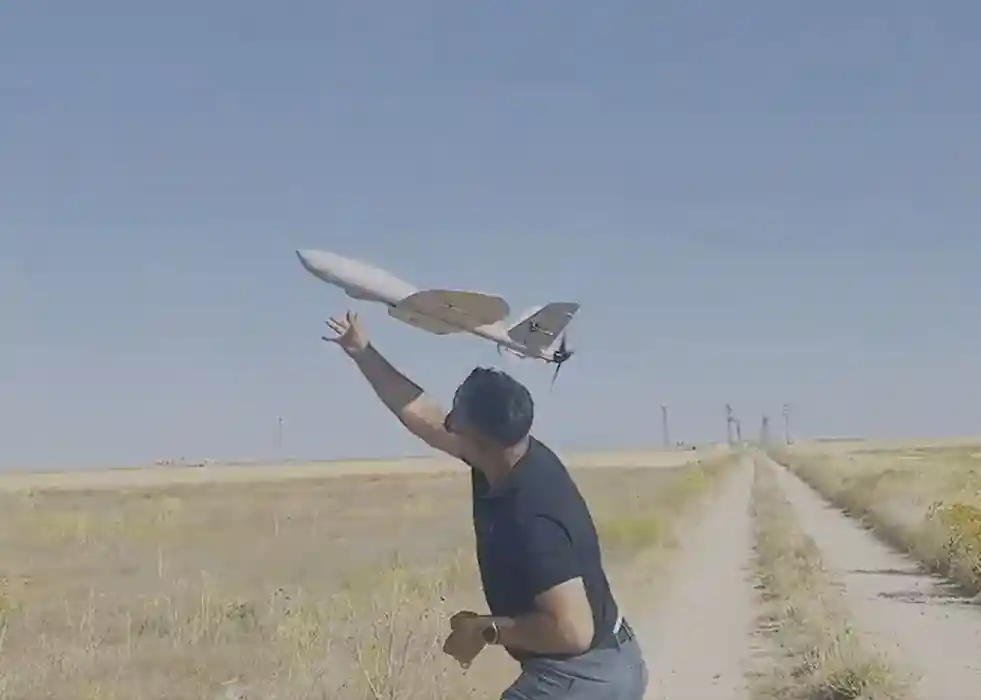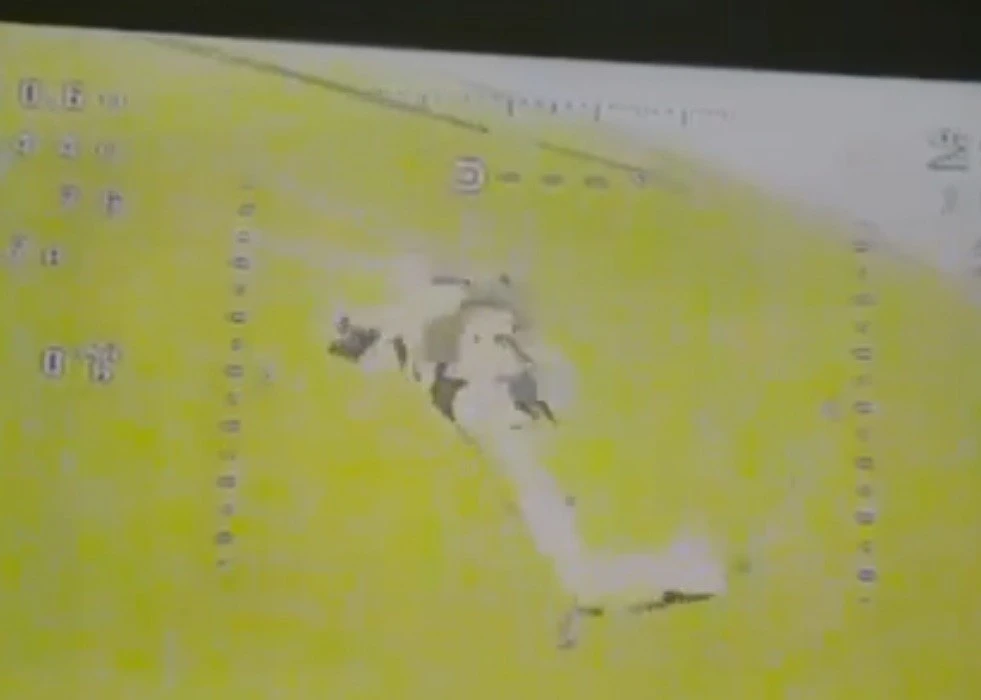
A Ukrainian FPV kamikaze UAV has hit a Russian Mi-28 attack helicopter on its tail. FPV UAVs are known for their precise manoeuvrability thanks to control via head motions instead of joysticks or other similar devices, and they have demonstrated another potential use, such as kamikazes.
The attack not only landed a hit on a helicopter, but the Ukrainian operator was also able to specifically target the tail rotor, which keeps the helicopter stable during flight by counteracting the main rotor's torque. Ukraine previously intercepted at least two Russian UAVs using FPVs (One with a warhead and one with a stick to cause propeller malfunction). While Ukraine's way of attacking helicopters with kamikaze UAVs utilises smaller and slower effectors compared to MANPADS or ATGMs, the ease of deployment compared to the former is unquestionably in a better position.
This new method of attack naturally raises concerns regarding the possibility of non-state actors utilising their kamikaze UAVs in the same manner. They are low-cost and easy-to-achieve products. Due to their small size, they are almost impossible to notice in the sky, and radars would most possibly neglect them, considering a bird in the sky.
Compared to fixed-wing aircraft, helicopters fly considerably slower, making them more susceptible to such attacks. Additionally, the incident highlights the importance of directed countermeasures against optics on helicopters like DIRCM, as flares aren't exactly effective against cameras on FPVs or IIR seekers.