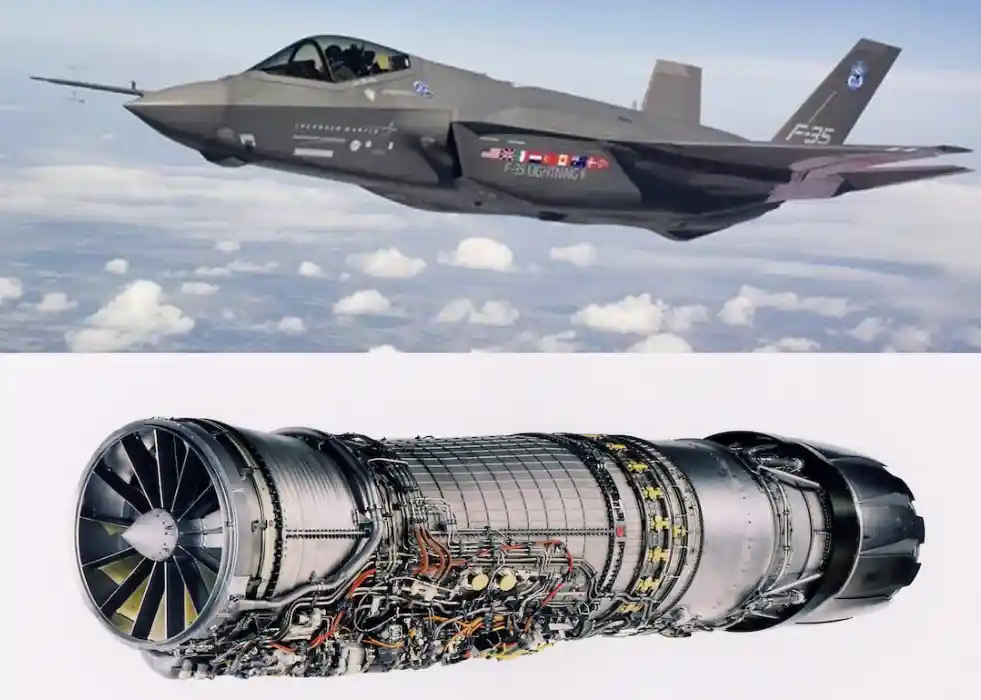
The US Congress has approved a $5.6 billion potential F-16 fighter jet and equipment FMS to the Philippines to enhance military ties and regional security.
The US State Department approved a potential Foreign Military Sale (FMS) of F-16 Block 70/72 fighters and associated equipment to the Philippines Air Force at an estimated cost of $5.6 billion. The Defence Security Cooperation Agency (DSCA) submitted the required certification to Congress on April 1, 2025.
Information on the suggested package
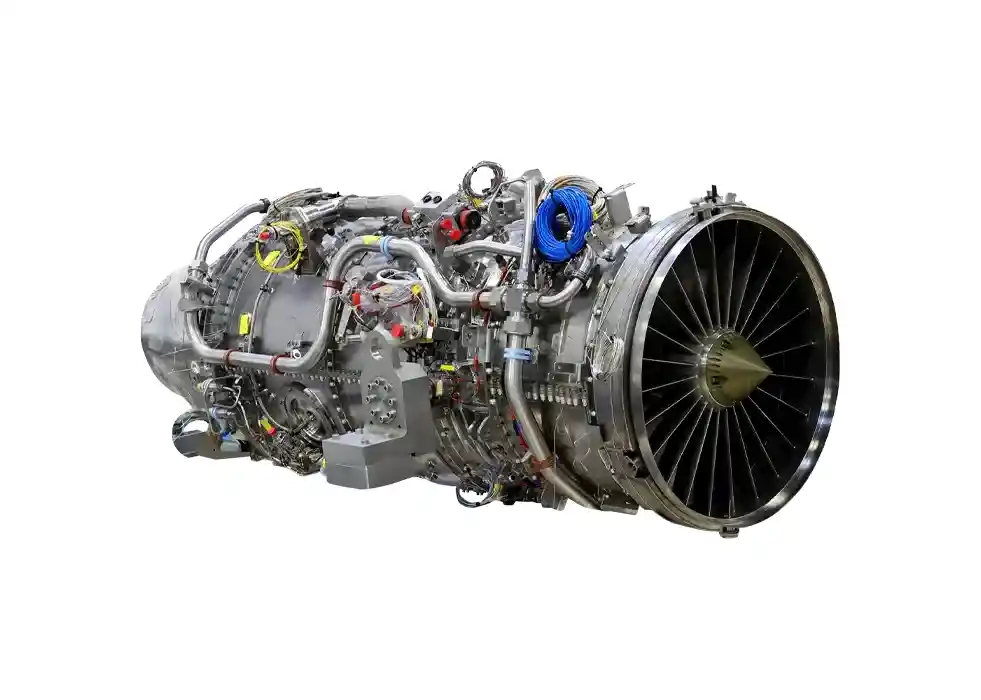
The request comprises four F-16D Block 70/72 and sixteen F-16C Block 70/72 planes. It also includes many mission-critical systems such as Link 16 terminals, countermeasure dispensers, and Joint Helmet Mounted Cueing Systems; twenty-two AN/APG-83 AESA radar systems; and twenty-four F110-GE-129D or F100-PW-229 engines (twenty installed, four spares). Additional components include GPS navigation equipment, night vision devices, software development and support, logistics services, spare parts, and training support. Lockheed Martin and RTX Corporation are identified as the principal contractors.
Strategic goals and consequences
DSCA claims the sale increases a regional ally’s capacity to satisfy present and future threats, hence supporting the foreign policy and national security objectives of the United States. The suggested sale will increase the air combat capacity of the Philippines and promote interoperability with partner and US forces.
In light of increasing South China Sea tensions, the transaction is anticipated to help regional stability in the Indo-Pacific. It will also strengthen the long-standing defence alliance between Washington and Manila.
Waiting for Congressional approval
The notice does not indicate a last contract or agreement. The arrangement must first get Congress’ approval; then, the terms relevant parties will settle the terms.
Changes of Policy in Indo-Pacific
For several years, the restrictions served as a “soft embargo,” which hindered the bilateral defence cooperation between the two countries.
Without adhering to the proper legal processes, President Duterte launched a brutal anti-drug campaign in 2016, which resulted in the deaths of hundreds of people.
The United States government took action to cut off military aid and ammunition deliveries because of severe human rights violations.
The Philippine President Duterte used his anti-American statements, defence deal cancellation threats and various other anti-American declarations to build better relations with China and Russia.
The United States reduced its military involvement with the country until the presidential election of Ferdinand “Bongbong” Marcos Jr. in 2022, until he implemented new leadership and policy directions.
President Marcos stressed military collaboration with America while adopting a foreign policy that supported Western alliances in response to China’s aggressive manoeuvres in the South China Sea.
Strategic issues in the Indo-Pacific area include the following: Many people are worried about China’s increasing military posture in the South China Sea.
The United States sought to build stronger relationships with the surrounding region through its Indo-Pacific Strategy framework.
Restoring close military relations with the Philippines emerged as a core element of this strategy.
The Enhanced Defence Cooperation Agreement (EDCA) granted the United States access to four additional Philippine military stations during 2023 and 2024. This was done to raise the degree of defence cooperation.
Author: Özgür Ekşi