Originally aiming for the end of this decade, the USAF is pushing to retire the remaining A-10 CAS aircraft in the FY2026 budget, signalling early retirement.
Defense One reported that 162 A-10s are planned to be retired as a part of FY2026. The durable but ageing aircraft have not been in production for 40 years. While A-10s have been updated with new weaponry and avionics, the threat perception shifting from insurgent groups devoid of a well-structured air defence capability to full-fledged adversaries in the light of new conflicts, in addition to airframe age, has made the USAF rethink the schedule of retirement.
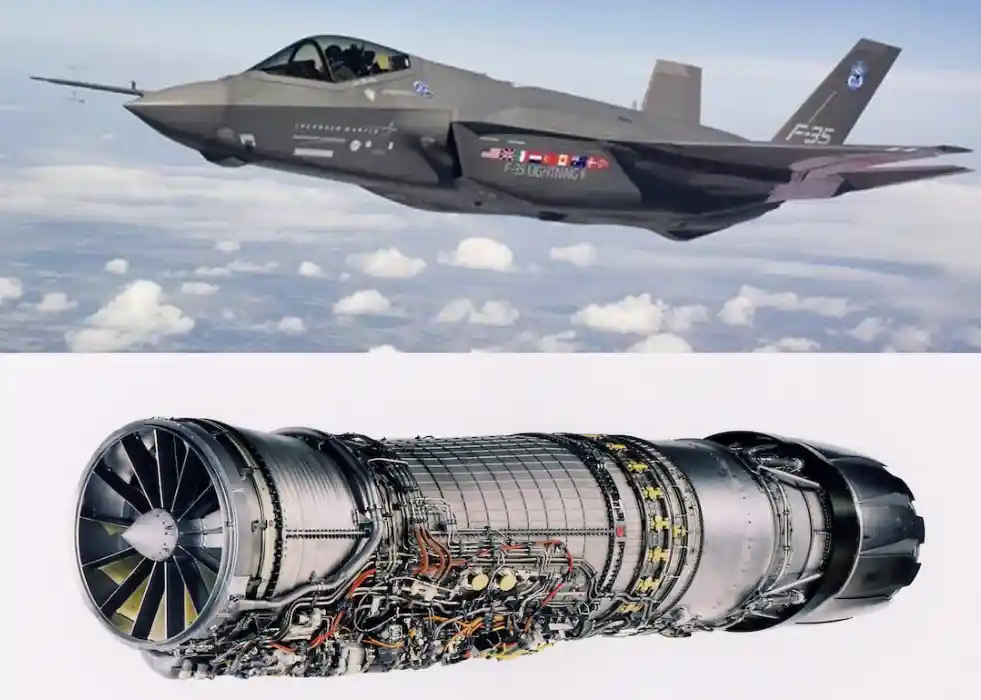
Additionally, there is a shift of funding from F-35 to the future F-47 fighter being developed within the scope of NGAD.
A-10 Thunderbolt II
A-10 Thunderbolt II entered service in the late 1970s as a close air support aircraft focused on destroying tank columns with a considerable load of air-to-surface weapons and its signature GAU-8 Avenger 30x173 mm rotary cannon.
In addition to potent air-to-surface weaponry, A-10’s other important feature is its durability. Due to the presence of SPAAGs like ZSU-23-4 Shilka accompanying tank columns, the aircraft was fitted with armour plating and redundant flight control to protect critical components.
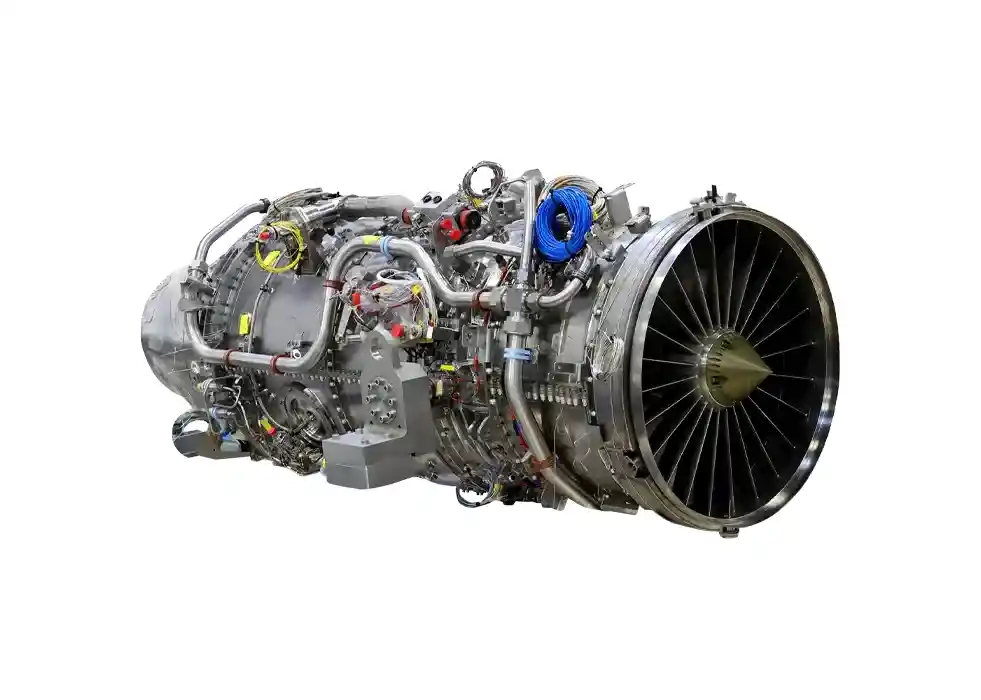
The aircraft is powered by a pair of GE TF34 turbofan engines and can carry up to 7260 kg of munition payload in addition to the GAU-8 rotary cannon.
Author: Kaan Azman
Editor: Özgür Ekşi