

US President Trump Suspends Military Aid to Ukraine
Donald Trump, the US President, has indefinitely paused any military assistance to Ukraine. This decision followed a heated meeting between Trump and Zelensky.
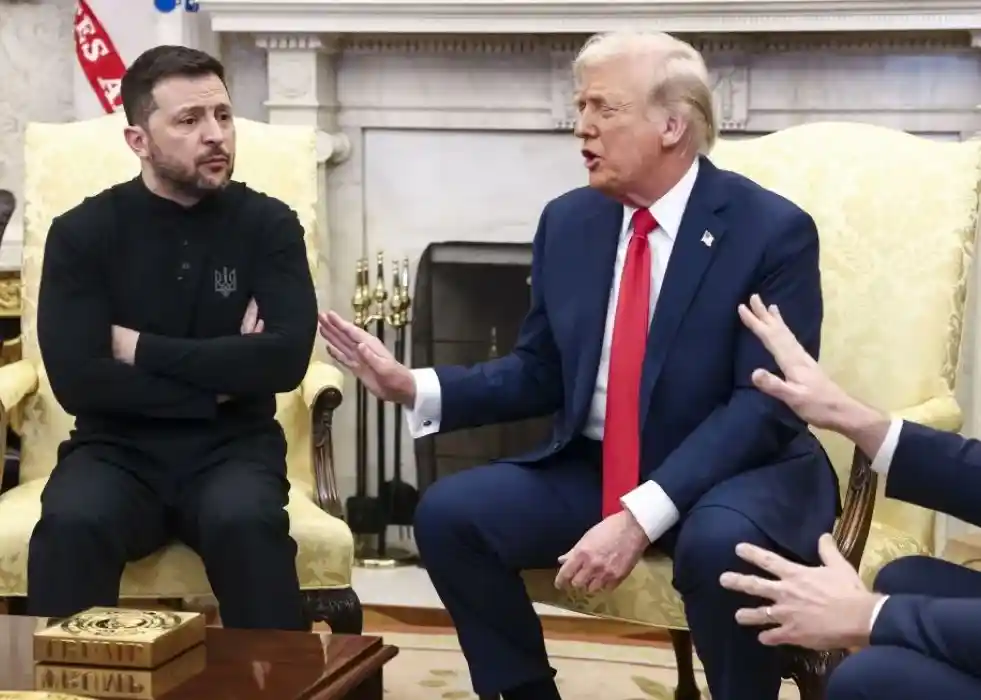
Donald Trump, the US President, has indefinitely paused any military assistance to Ukraine. This decision followed a heated meeting between Trump and Zelensky.
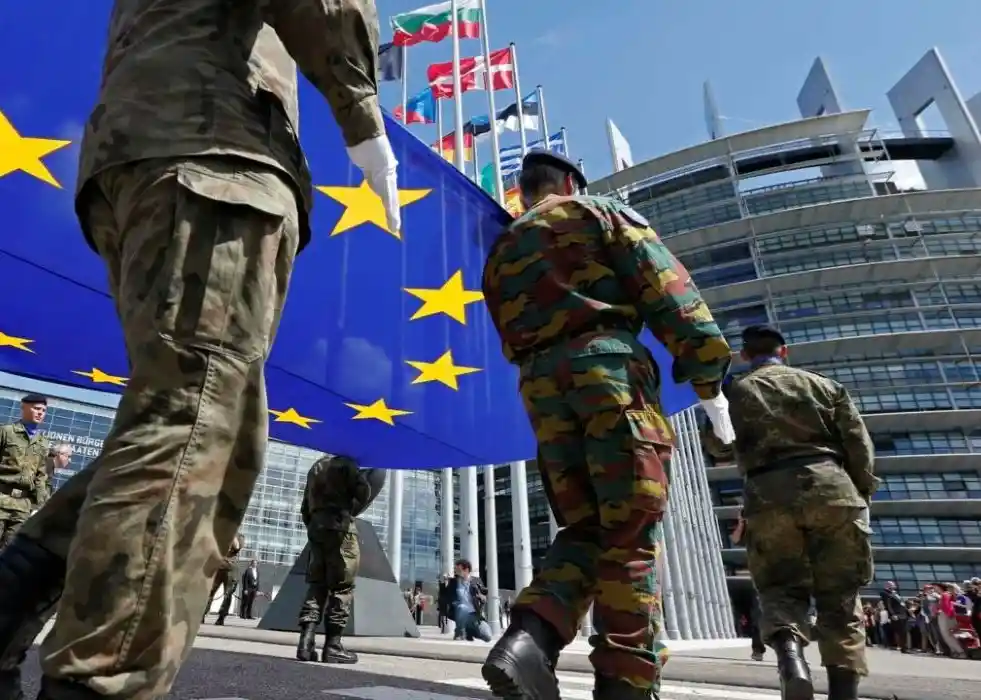


Spain's Foreign Minister Jose Albares stated that the whole of Europe is under threat and that European Union should implement common defence project.
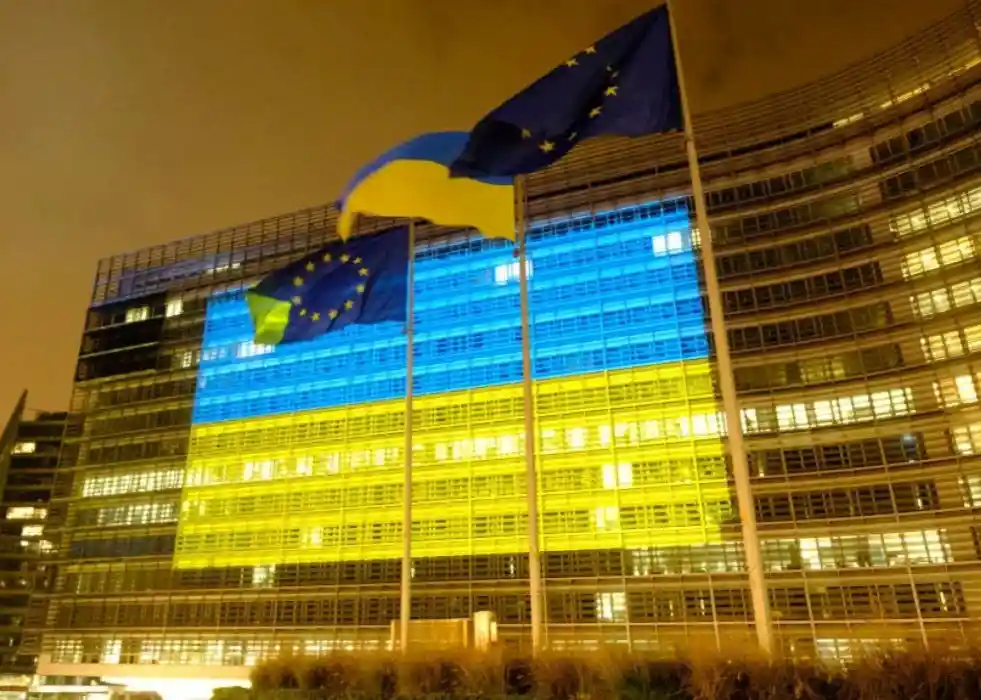
A recent report by Bruegel and the Kiel Institute for the World Economy examines Europe’s future defence capabilities in case of a US withdrawal.


With mounting security worries, France wants to support military expenditures, but it wants its defence spending insulated from the EU's economic policies.
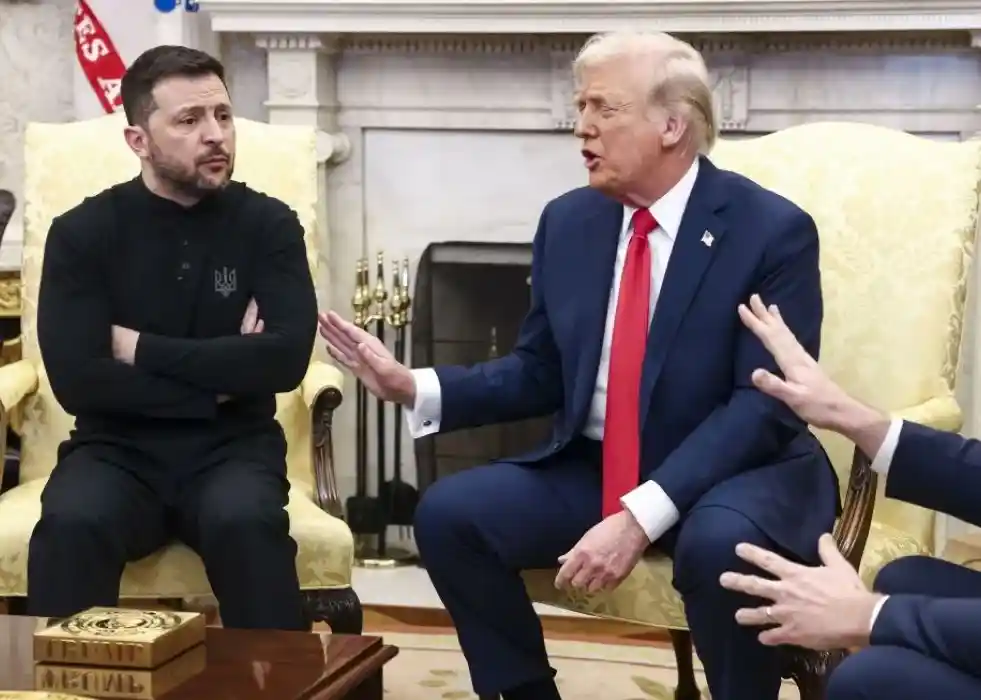
U.S. and Ukrainian Presidents Trump and Zelensky discussed the future of Ukraine angrily in front of the cameras, marking a tense diplomatic event.
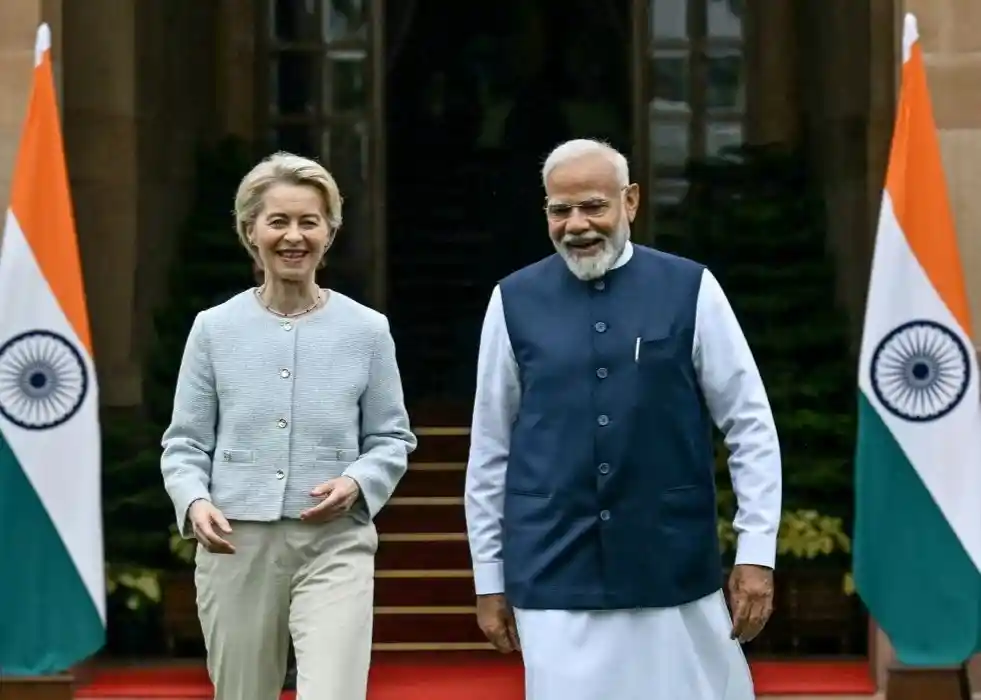

Following the US's criticism of Europe, the EU has begun investigating new military alternatives, with India, a leader of the non-aligned, as its first stop.

In a significant leadership overhaul, Trump has replaced the Joint Chiefs Chairman, the top commander of the Navy, and the Air Force Vice Chief.
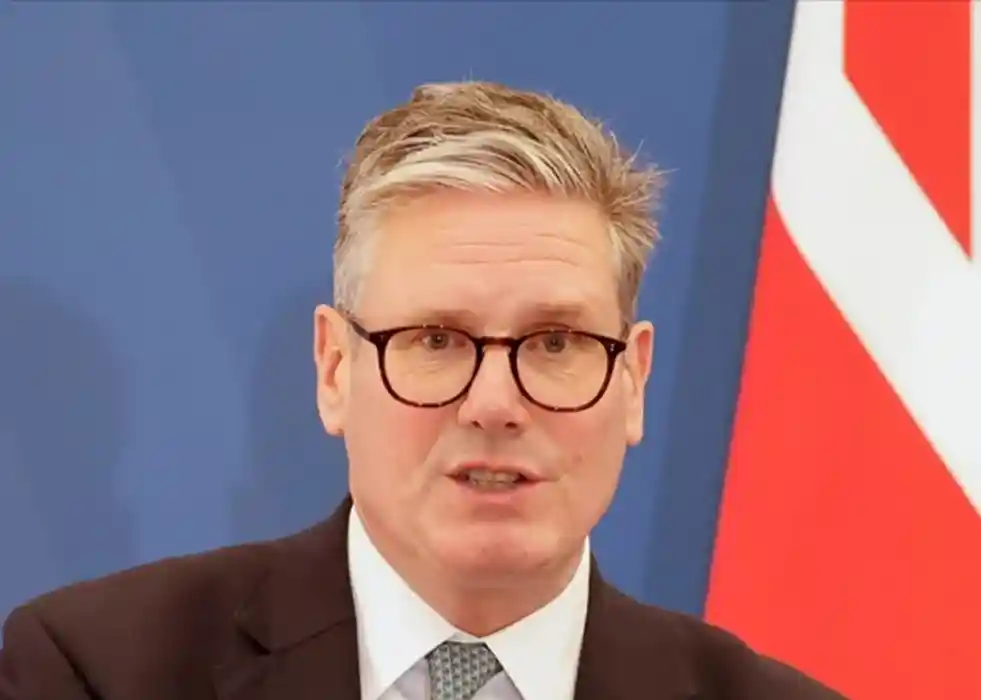

British Premier Keir Starmer published an article in the Telegraph to call for collective security in Europe, stating that the call is not limited to Ukraine.


In reaction to Turkiye's demands to protect its rights, Athens threatened to cancel the NATO "Steadfast Dart" drill that began in Greece, Bulgaria, and Romania.


US reiterated DC's dedication despite political changes by confirming that the submarine deliveries to Australia under AUKUS will start in the early 2030s.
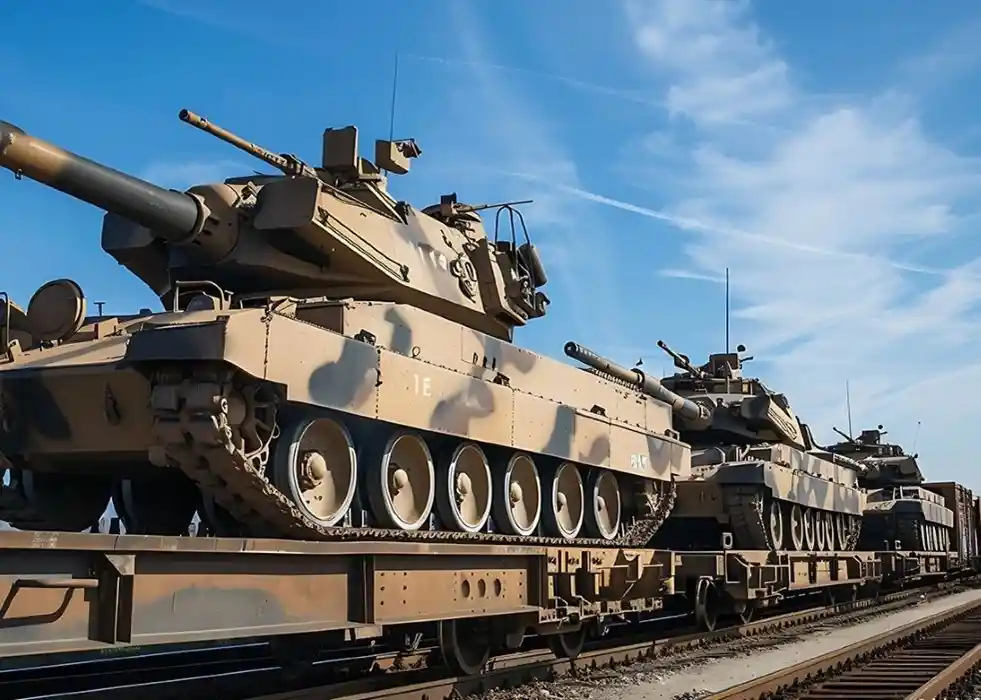
The President of the European Court of Auditors has stated that the budget allocated to military projects in the EU remains ‘modest’ in addressing real needs.
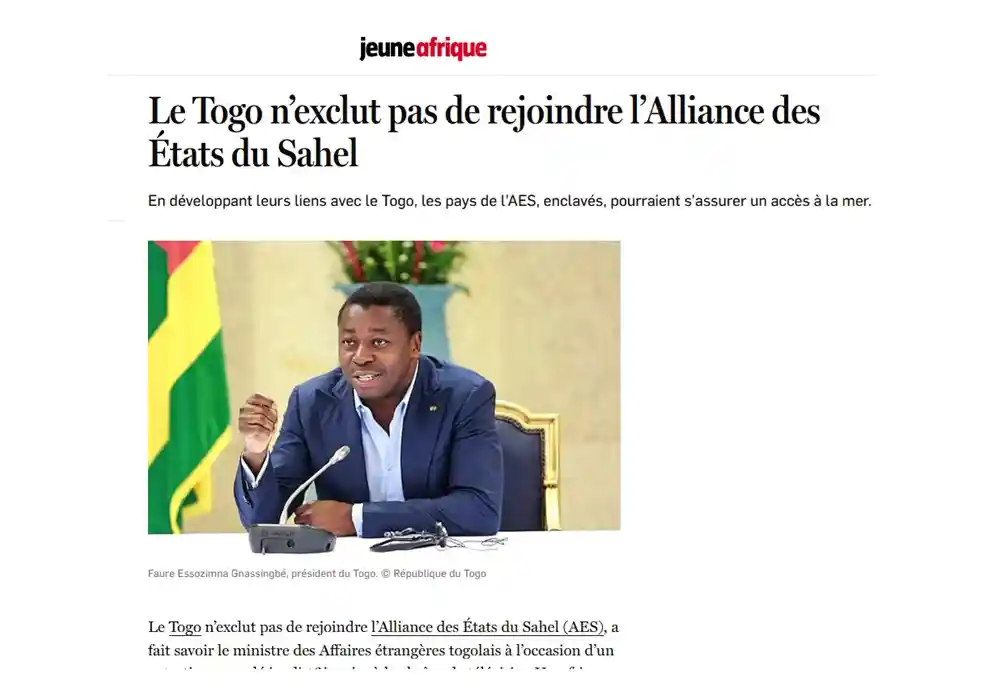


France’s influence in Africa wanes as Togo considers joining the Alliance of Sahel States (AES), signalling a shift in regional dynamics and security policies.

Europe’s two pillars, NATO and the European Union, tend to join forces against their “common enemy”, Russia. EU Defence Commissioner Kubilius visits NATO.


The German government said on Monday that Germany met NATO's target of spending 2 per cent of its gross domestic product (GDP) on defence budget in 2024.


