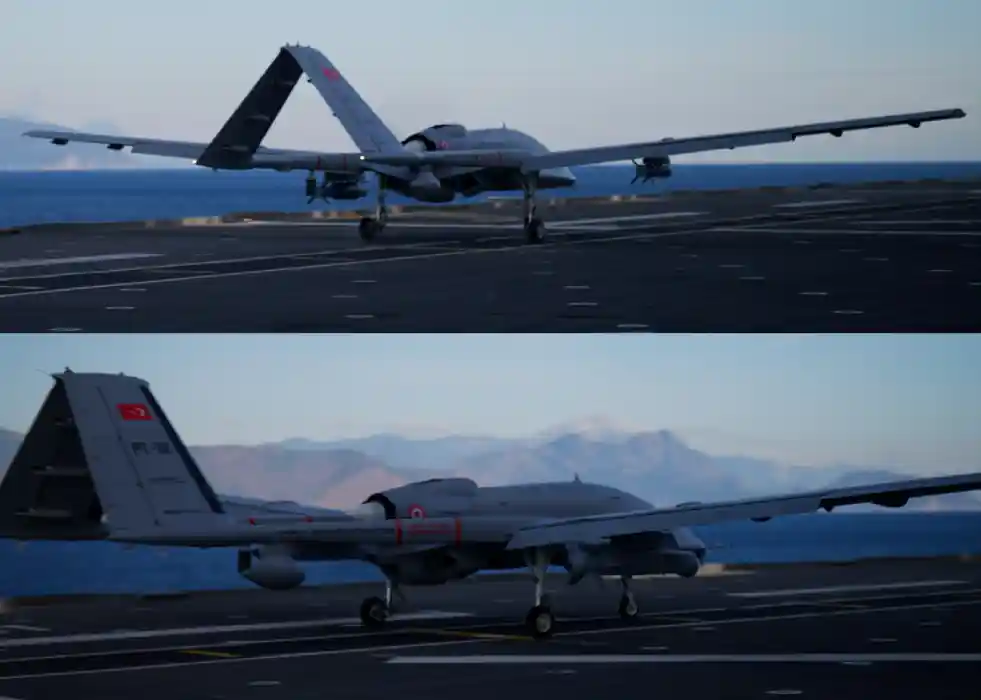
Two Bayraktar TB3 UCAVs taking off from the Turkish Navy’s TCG Anadolu (L400) LHD displayed a coordinated attack with munitions and relay to ALBATROS-S USV.
Within the scope of a test planned with the Turkish Navy, two Bayraktar TB3 UCAVs, consecutively taking off from TCG Anadolu, attacked a small island in coordination.
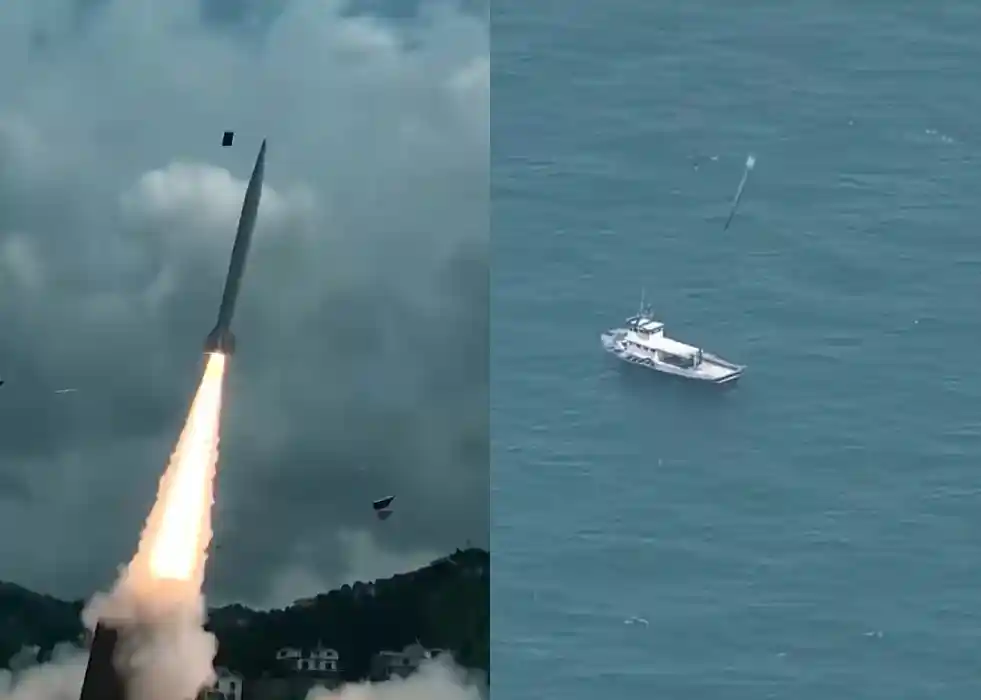
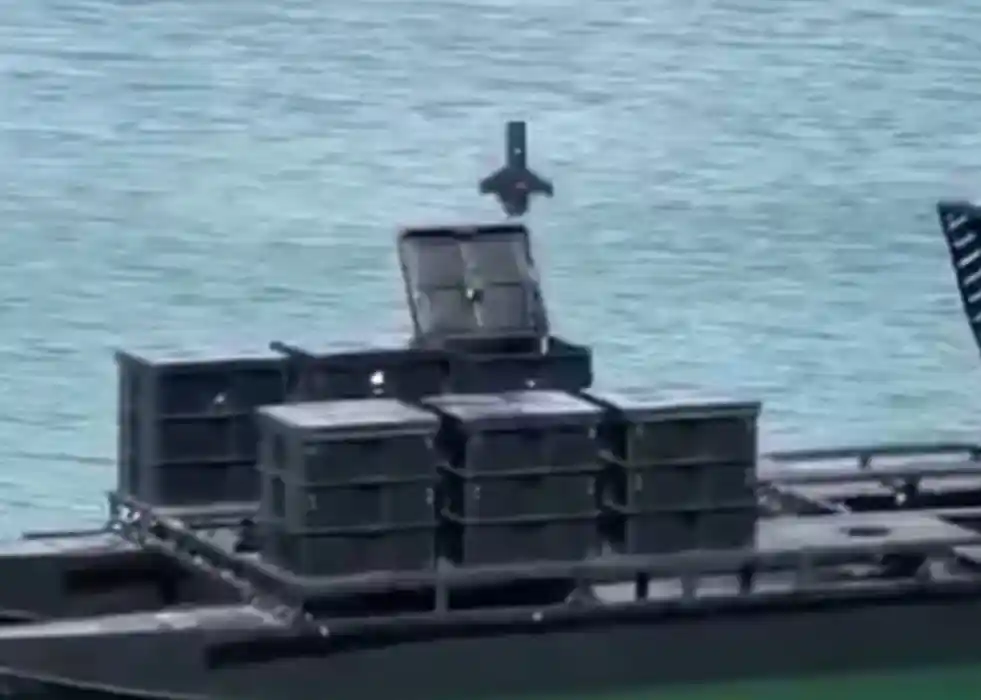
The first Bayraktar TB3 (PT-4) made the first strikes using ROKETSAN’s MAM-T and MAM-L guided munitions. The second Bayraktar TB3 (PT-1R) followed with a launch of the KEMANKEŞ 1 turbojet-powered loitering munition and ASELSAN’s ALBATROS-S kamikaze USV.
ALBATROS-S was guided to the target using the second Bayraktar TB3 as a communications relay and off-board sensor, which overcomes line-of-sight constraints as an airborne platform.
After the firing drill, the second Bayraktar TB3 landed on TCG Anadolu and took off again to land on Keşan alongside the first.
The test involving two Bayraktar TB3s, a variety of munitions and ALBATROS-S USV, all used in coordination, is an important step in the validation of the operational concept envisioned for Bayraktar TB3 as Turkiye’s first shipborne UCAV.
As a platform with long endurance that goes between 21 to 36 hours, Bayraktar TB3 will bring a considerable armed ISR capability to survey large areas. With guided munitions like MAM series, UAV-122, and KEMANKEŞ 1, the UCAV can defend the strike group or amphibious forces against various threats (Armoured vehicles, gun/missile emplacements, USVs, small-sized ships, air defence systems...).
On the other hand, with its relaying capabilities to direct other unmanned platforms as demonstrated in the test, Bayraktar TB3 can support ASuW operations against larger ships.
Author: Kaan Azman
Editor: Özgür Ekşi