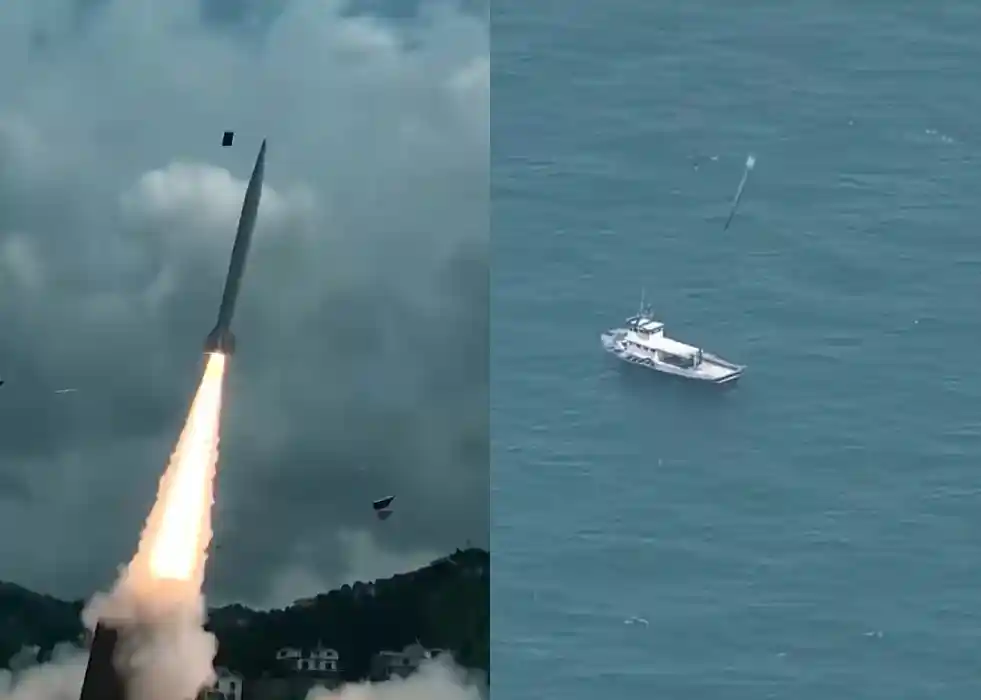
TAYFUN Block 3 fitted with a seeker successfully hit a small-sized moving maritime target, demonstrating its capability as an Anti-Ship Ballistic Missile.
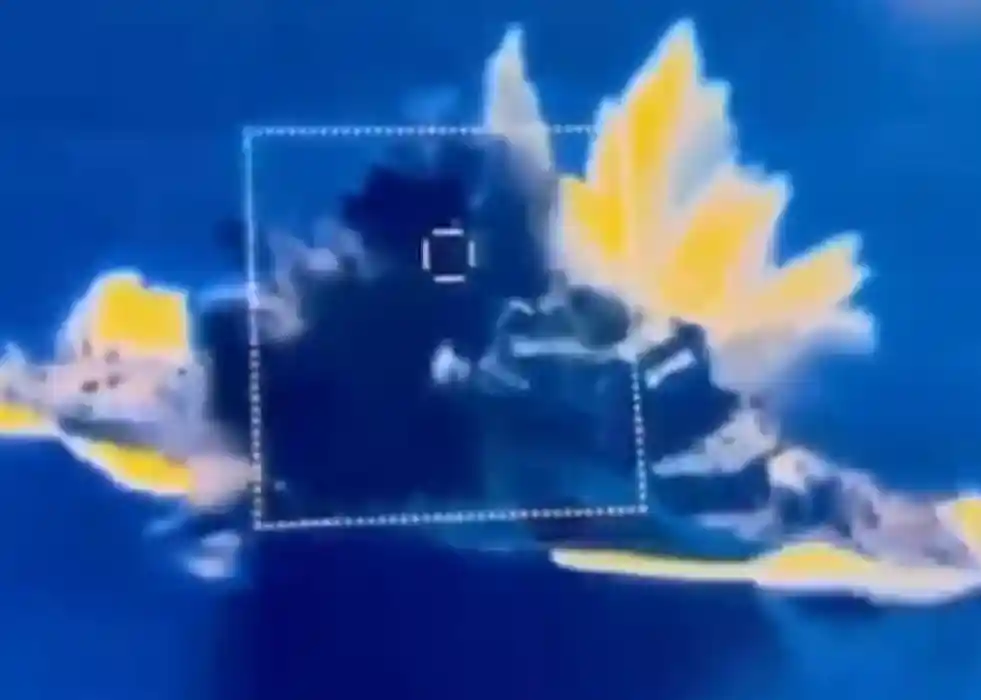
For the first time, Türkiye tested a ballistic missile for anti-ship use at Sinop. TAYFUN Block 3, equipped with a seeker for terminal guidance, successfully hit a moving fishing boat-sized target with a live warhead. It was also stated that the missile reached hypersonic speeds.
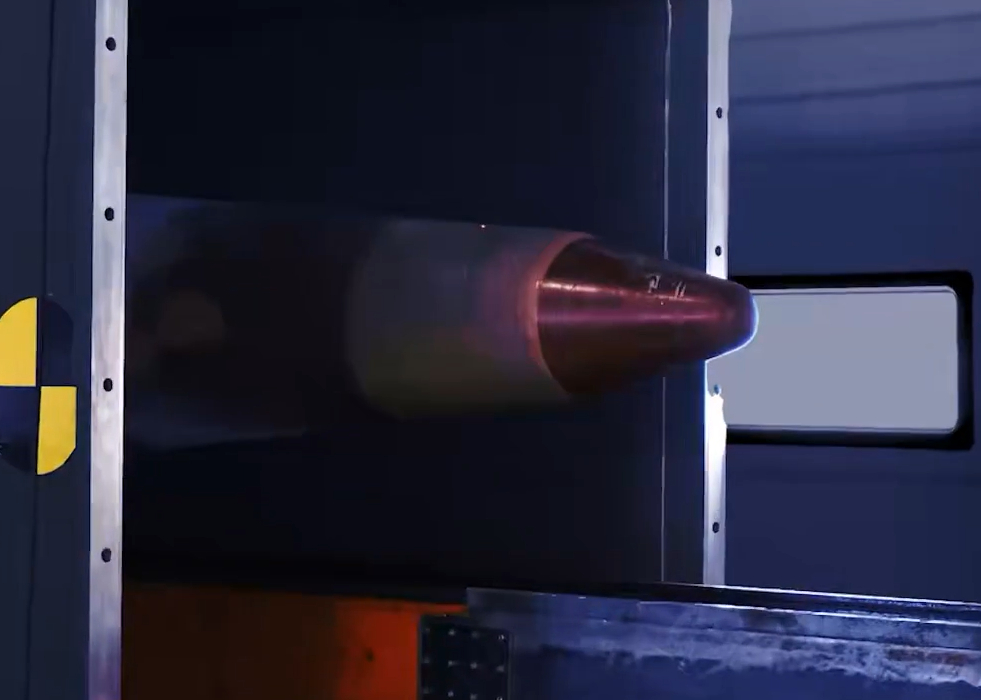
No details on the speed and seeker type have been provided. However, it is not hard to make guesses on the seeker as anti-ship ballistic missiles (ASBM) mostly employ active RF seekers and/or optical seekers for terminal guidance. When the nosecone is observed closely, it seemingly incorporates a detachable heatshield, which suggests the use of an optical seeker as optics are more sensitive to aero-thermal effects while RF seekers usually do not require extra shielding as long as the radome can withstand the exposure.
Aside from the seeker, another thing to note is that TAYFUN Block 3 more than likely incorporates a datalink for midcourse updates on target coordinates, as the seeker can not work at boost and midcourse phases. To provide continuous targeting of moving ships, UAVs with high-end optics (Such as ASELFLIR 600), coastal surveillance radars, and TÜBİTAK’s YDYFR HF-band long-range radar to provide over-the-horizon detection will play an important role.
It can be said that TAYFUN Block 3 will act as the heavy hitter in Türkiye’s new coastal defence capabilities alongside the land-based ATMACA anti-ship missiles and the upcoming land-based ÇAKIR compact cruise missiles, all to work in tandem within the BARBAROS system.
China, Pakistan, and Iran are the notable operators of ASBMs which offer smaller time to target and higher lethality provided by near-vertical dive and extreme speeds. The US is also set introduce ASBMs of its own through PrSM Increment 2, which features a multi-mode seeker integration on the PrSM compact SRBM fielded on HIMARS.
The true difficulty with operating ASBMs efficiently lies at engagement loop rather than development as a moving target hundereds of kilometres away has to be tracked until the terminal guidance can take over. This necessiates a reliable network of sensors (In terms of communication performance and redundancy) to relay target information to the launcher(s).
Other variants of TAYFUN include the baseline Block 1 with shorter range and body, Block 2 understood to be an extended-range variant of Block 1, and the oversized Block 4 to have the longest range and heaviest warhead at the cost of single-round carriage. Whereas YILDIRIM was Türkiye's first locally produced TBM and BORA brought improved guidance, TAYFUN family brings a new level of design flexibility allowing different scales and guidance packages alongside the more efficient propulsion technology.
Author: Kaan Azman
Editor: Özgür Ekşi