In the tender for medium-range SAM procurement, Brazil has swept aside India’s offer for Akash-1S for being too outdated compared to its counterparts.
The Defense Post reported that India has been dropped from the options early on for technical and before that lack of cooperation from the Indian side.
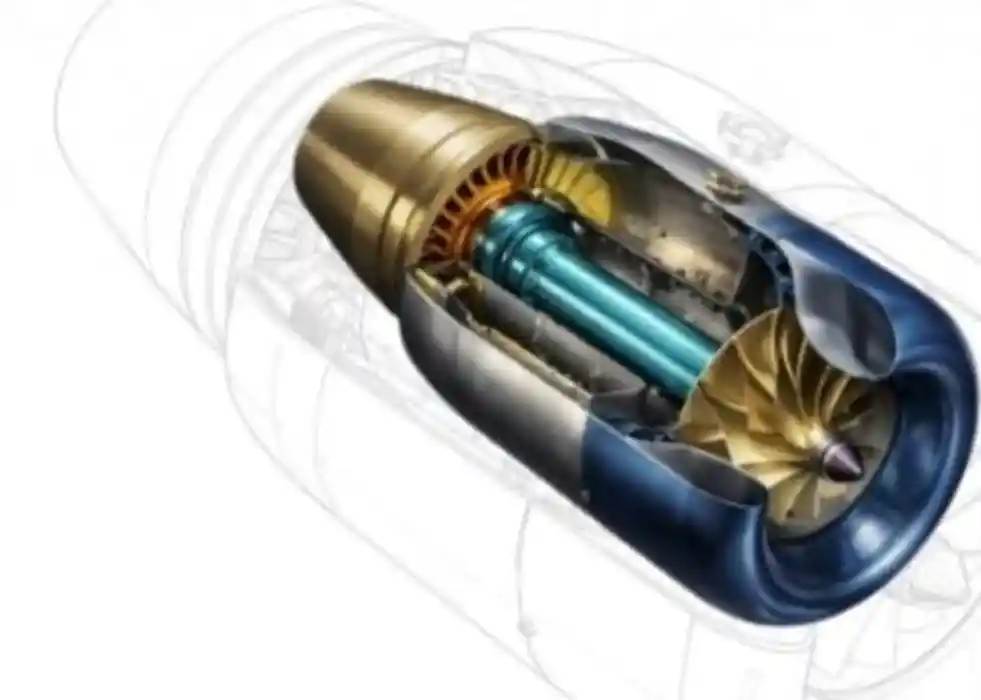
Despite having tested the newest variant of the Akash family of SAMs, Akash NG, which introduces a dual-pulse rocket motor in place of the rather inefficient ramjet, India declined to place it on offer. It kept going with the older Akash 1S.
Where Does Akash-1S Fall Short?
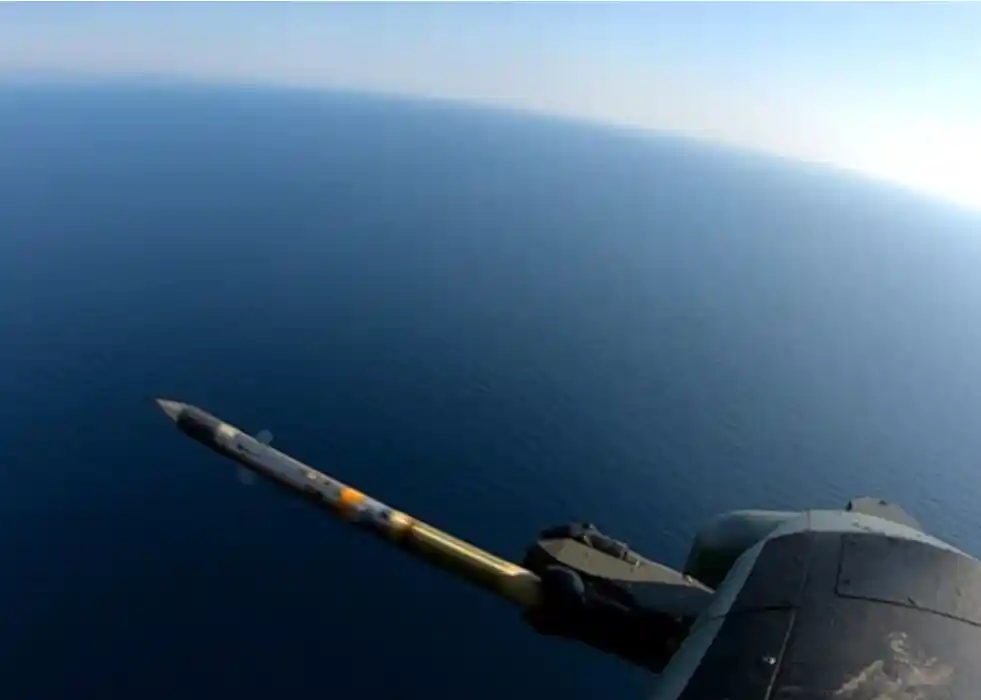
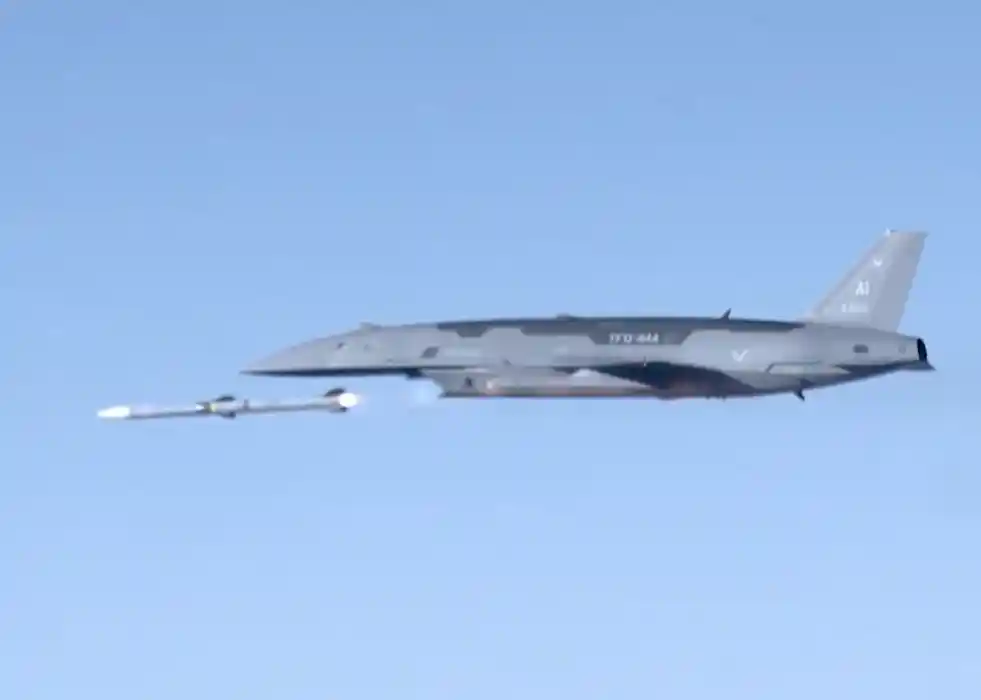
In the presence of systems like CAMM/CAMM ER, IRIS-T SL, and SPYDER, which have not only similar or longer-range figures but also more up-to-date technologies, Akash 1S unsurprisingly got pushed aside from the bag of options.
Akash-1S, despite the significantly larger missile compared to its competitors, has a range of 30 km due to the ramjet being a rather old design. The previously mentioned systems use missiles with a far smaller size, and thus, more capacity can reach ranges up to 45 km, depending on the missile type.
Additionally, the networking capabilities being out-of-date is a contributing factor when its competitors have this among the prime features.
India’s insistence on not placing Akash NG, which more than doubles the range with new technologies, could be said to have sealed India's fate in the tender.
Armenia’s Acquisition of Akash-1S
Armenia is the sole confirmed export customer of Akash-1S due to political reasons. Until the point of the Second Karabakh War with Azerbaijan, Armenia had a stable supply of Russian weaponry. However, the war caused a shift in Armenia’s perceptions, which included a drop-off in relations with Russia and an approach towards India as a new supplier of heavy-duty weaponry.
Defence relations between India and Armenia have sparked with the acquisition of Pinaka 220 mm MLRS and later on Akash 1S SAM.
Author: Kaan Azman
Editor:Özgür Ekşi