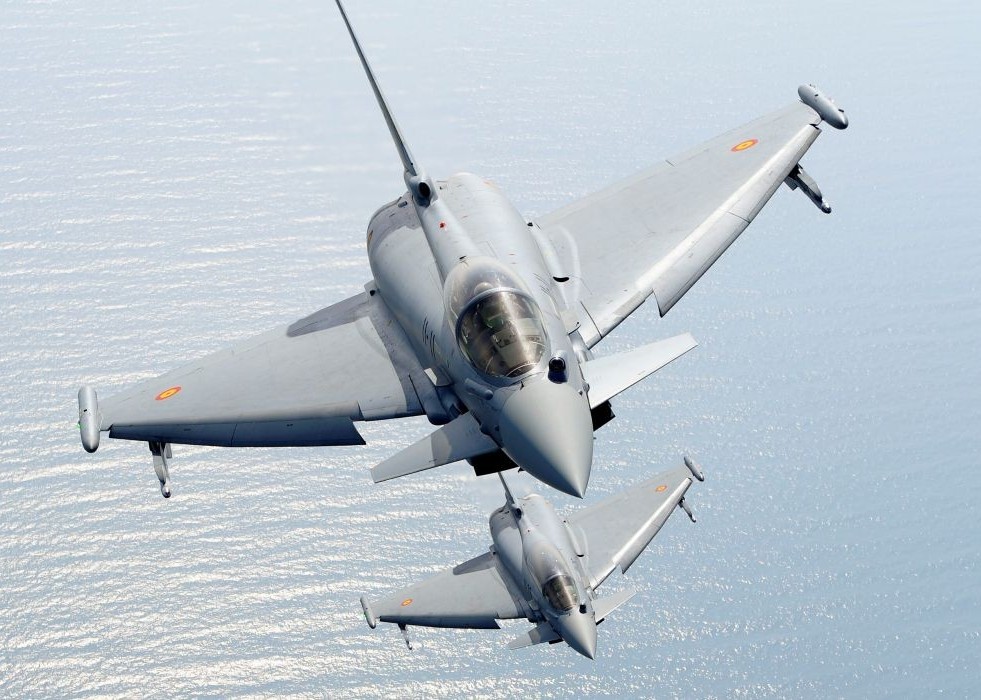
One of the most significant developments in the Eurofighter programme is not a new aircraft order or weapons integration, but the gradual arrival of the ECRS Mk1 radar into operational testing.
The milestone marks an important step for Germany and Spain, which are expected to become the first European operators of the new radar. Yet the development also highlights a reality that has often been overlooked in discussions surrounding Eurofighter's AESA radar roadmap.
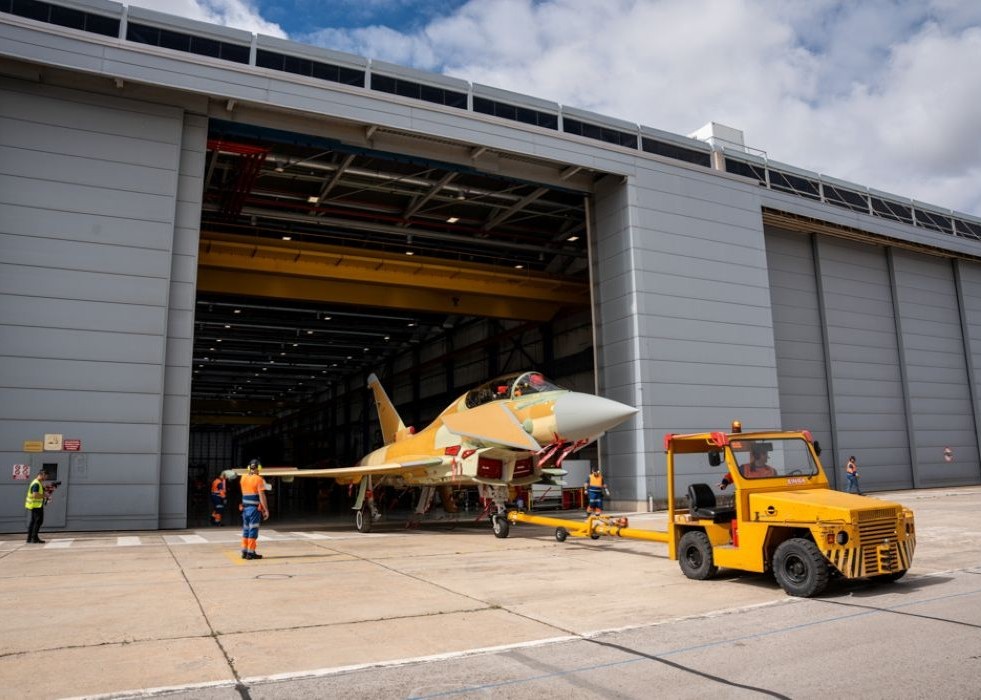
For years, the programme's radar evolution was commonly described as a progression from the export-oriented ECRS Mk0 towards the more advanced ECRS Mk1 and eventually the British-led ECRS Mk2. Such a narrative created the impression that European operators were already moving from one AESA radar generation to another.
The reality is more nuanced.
While ECRS Mk1 is moving closer to service, most European Eurofighter fleets have yet to enter the AESA era at all. The majority of aircraft operated by Germany, Spain, the United Kingdom and Italy continue to rely on mechanically scanned Captor-M radars.
As a result, the arrival of Mk1 should not be viewed as Europe transitioning from one AESA radar to another. Instead, it represents the point at which major European operators are finally beginning their transition from mechanically scanned radars to AESA technology.
That distinction is important because it also changes how the ECRS Mk0 should be viewed.
For years, Mk0 was often described as the export radar selected by Qatar and Kuwait. While technically correct, that description can be misleading. Mk0 is not merely an export-specific solution; it is also the only operational AESA radar currently flying within the Eurofighter programme.
In other words, the Eurofighter community is not moving from widespread Mk0 use towards Mk1. Rather, most European operators are moving directly from Captor-M towards the AESA era, while Mk0 remains the programme's only mature and operational AESA capability.
The start of Mk1 operational testing therefore reveals less about the shortcomings of Mk0 and more about the pace of Europe's own AESA transition.
What does this mean for Türkiye?
The discussion carries particular relevance for Türkiye as negotiations surrounding a potential Eurofighter acquisition continue.
Publicly available information has yet to provide a definitive answer regarding the exact radar configuration that would accompany Turkish Eurofighters. Open-source reporting frequently points towards ECRS Mk0, yet the designation alone reveals little about the actual capability package, software baseline or future upgrade provisions.
More importantly, the debate is often framed around whether Türkiye would eventually transition from Mk0 to Mk1. In practice, there has been little indication that Mk1 was ever considered a likely destination.
The aircraft is being offered primarily through the United Kingdom, while Mk1 represents the German-Spanish roadmap. Britain itself is pursuing ECRS Mk2 as its future standard, with the radar expected to introduce significantly enhanced electronic warfare and electronic attack capabilities alongside its core sensing functions.
Consequently, the more relevant long-term question may not be whether Türkiye would move from Mk0 to Mk1, but whether aircraft entering service with Mk0 could eventually be upgraded to Mk2.
If that proves to be the case, the radar roadmap for Turkish Eurofighters may be considerably simpler than often assumed: entering service with the programme's only operational AESA radar before potentially following the same long-term path being pursued by the United Kingdom.
Author: Özgür Ekşi