The most recent critique of Europe’s flagship sixth-generation fighter programme did not come from a rival government or a competing industrial group, but from one of the architects of Europe’s modern aerospace sector itself. Tom Enders, former CEO of Airbus and current President of the German Council on Foreign Relations (DGAP), described Germany’s decision to partner with France rather than the United Kingdom on its next-generation fighter as a “strategic mistake.” His remarks, delivered in early 2026, did more than reopen an old industrial debate. They exposed how unresolved structural tensions within the Future Combat Air System (FCAS) programme have steadily eroded strategic trust between Berlin and Paris.
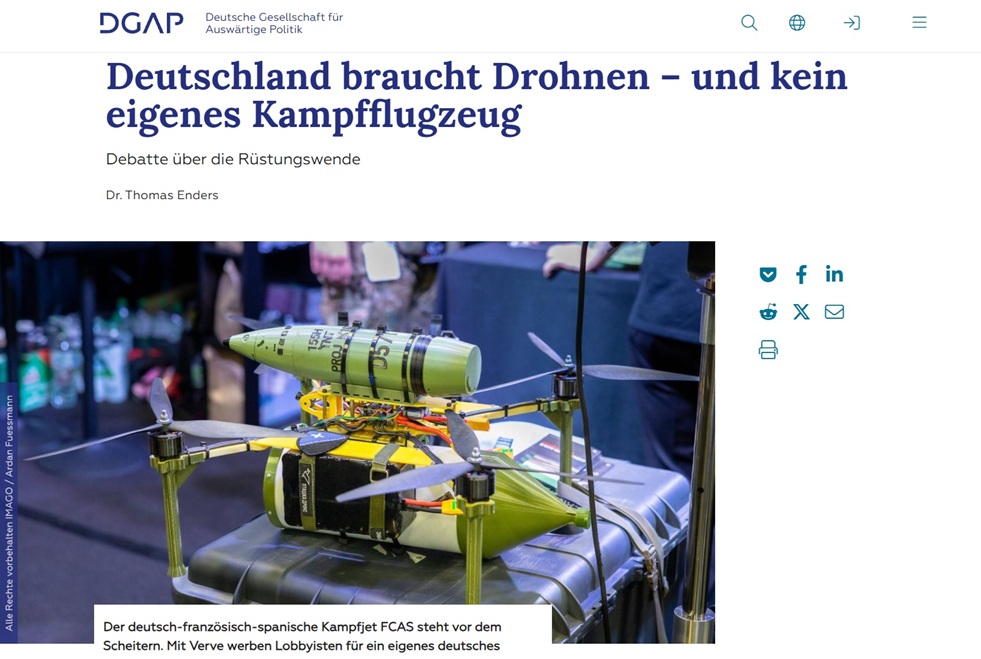
Enders’ intervention is significant not because it introduces new technological concerns, but because it reflects a broader shift within Germany’s political and industrial establishment. Increasingly, FCAS is no longer viewed solely as a flagship European integration project. It is being reassessed as a strategic choice whose underlying assumptions may no longer align with Germany’s evolving defence priorities.
His remarks also come at a time of growing unease in Berlin regarding the programme’s industrial governance, technological sovereignty implications, and operational relevance. No participant has formally withdrawn from FCAS, but the programme’s trajectory since 2023 suggests that its political narrative of unity has masked a persistent and deepening structural divide.
The 2023 “resolution” that did not resolve the underlying conflict
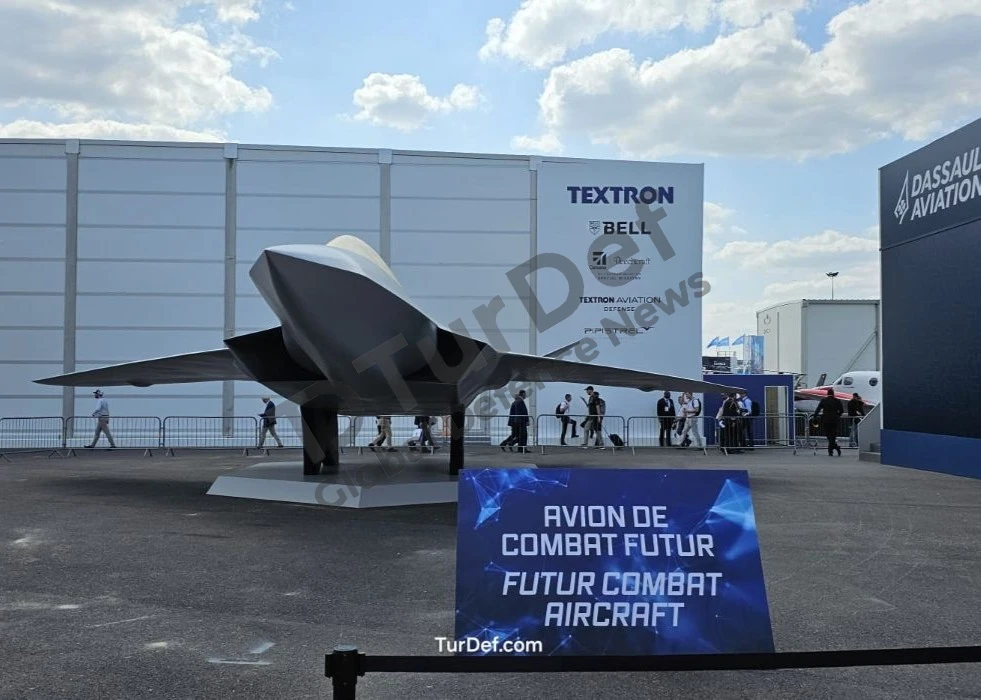
The roots of the current crisis can be traced to the industrial confrontation that effectively paralysed FCAS between 2021 and late 2022. At the centre of the dispute was leadership of the programme’s core component, the Next Generation Fighter (NGF), the manned combat aircraft intended to replace Rafale and Eurofighter beginning in the 2040s.
Dassault Aviation, France’s primary combat aircraft manufacturer, insisted that a single authority must retain full design leadership to ensure coherence and accountability. Airbus Defence and Space, representing Germany’s industrial stake, demanded equal technical authority, reflecting Berlin’s expectation that FCAS would function as a genuinely joint programme rather than a French-led system supported by distributed subcontracting.
This disagreement delayed critical contracts and threatened the programme’s continuity. The deadlock was eventually broken in December 2022, when Dassault and Airbus reached a compromise allowing Phase 1B demonstrator development to proceed. In March 2023, the governments of France, Germany, and Spain formally declared that FCAS had moved beyond its industrial impasse.
Politically, the crisis was presented as resolved. Structurally, however, the underlying mistrust remained intact.
2024: technical progress without strategic convergence
Throughout 2024, FCAS advanced on paper. Demonstrator development continued, and governments reaffirmed their political commitment. Yet beneath these assurances, neither side fundamentally altered its strategic position.
France viewed FCAS as the successor to Rafale and a cornerstone of its strategic autonomy doctrine, including its airborne nuclear deterrent and future carrier-based aviation requirements. Germany, by contrast, did not share these operational imperatives. Berlin’s defence priorities remained closely aligned with NATO’s collective framework, where interoperability with allied forces and transatlantic integration remained central.
This divergence did not immediately halt technical progress, but it created an increasingly fragile foundation. FCAS was no longer a programme built on fully aligned strategic assumptions. Instead, it had become a platform attempting to reconcile fundamentally different defence doctrines.
2025: industrial tensions return to the surface
The fragile equilibrium began to fracture again in 2025. In October, Dassault Aviation CEO Eric Trappier delivered a blunt message during a hearing before the French Senate’s defence committee. He reiterated that complex combat aircraft cannot be designed under dual leadership and emphasised that Dassault must retain primary authority over the NGF’s architecture.
His remarks were not merely technical clarification. They reaffirmed Dassault’s longstanding position that combat aircraft development requires unified design authority, implicitly rejecting Airbus’s ambitions for equal leadership.
This intervention reignited concerns in Berlin that Germany’s industrial role was being structurally constrained. For Airbus and German policymakers alike, FCAS had always been understood as a joint sovereign programme. Dassault’s position suggested a hierarchy rather than an equal partnership.
These concerns were reinforced by broader disagreements over intellectual property rights, technology access, and long-term industrial balance.
Political doubts emerge in Berlin
Industrial tensions soon translated into political signals. By late 2025, German officials had begun openly questioning aspects of FCAS. Delays in key decisions, disputes over industrial governance, and growing uncertainty regarding operational alignment contributed to a perceptible shift in tone.
Germanydid not withdraw from the programme. However, the unquestioned political consensus that had once supported FCAS was no longer intact.
This shift reflected a broader strategic reality. Germany’s defence transformation following Russia’s invasion of Ukraine prioritised rapid capability acquisition and NATO interoperability. FCAS, as a long-term and politically complex programme with unresolved governance tensions, increasingly appeared misaligned with these immediate operational priorities.
A programme sustained politically, but weakened structurally
Beyond governance disputes, the cumulative impact of repeated delays has begun to reshape FCAS’s strategic calculus. The programme was originally envisioned to deliver an operational capability around 2040, enabling a seamless transition from existing European fighter fleets. However, successive industrial stand-offs since 2021 have compressed development margins. Demonstrator timelines have slipped, and each disruption has introduced cascading technical and financial consequences.
In complex aerospace programmes, lost time cannot simply be recovered through increased funding. Delays propagate through subsystem integration, testing cycles, and certification processes, increasing overall programme risk. While governments continue to fund FCAS, the strategic cost of uncertainty is measured not only in financial terms, but also in lost industrial momentum and narrowing technological timelines.
At the same time, the absence of formal withdrawal masks a more subtle dynamic. Neither Berlin nor Paris appears willing to trigger an open rupture, yet both sides have incrementally hardened their positions. German political and industrial signals questioning leadership, governance, and strategic alignment can be interpreted as calibrated pressure rather than preparation for immediate exit. Likewise, France’s insistence on preserving Dassault’s design authority reflects its determination to retain sovereign control over combat aircraft development.
This pattern suggests that FCAS has entered a phase of strategic testing, in which both partners seek to shape the programme’s long-term balance without assuming the political and financial consequences of outright abandonment. The programme remains politically sustained, but structurally contested.
Strategic implications for Europe’s defence future
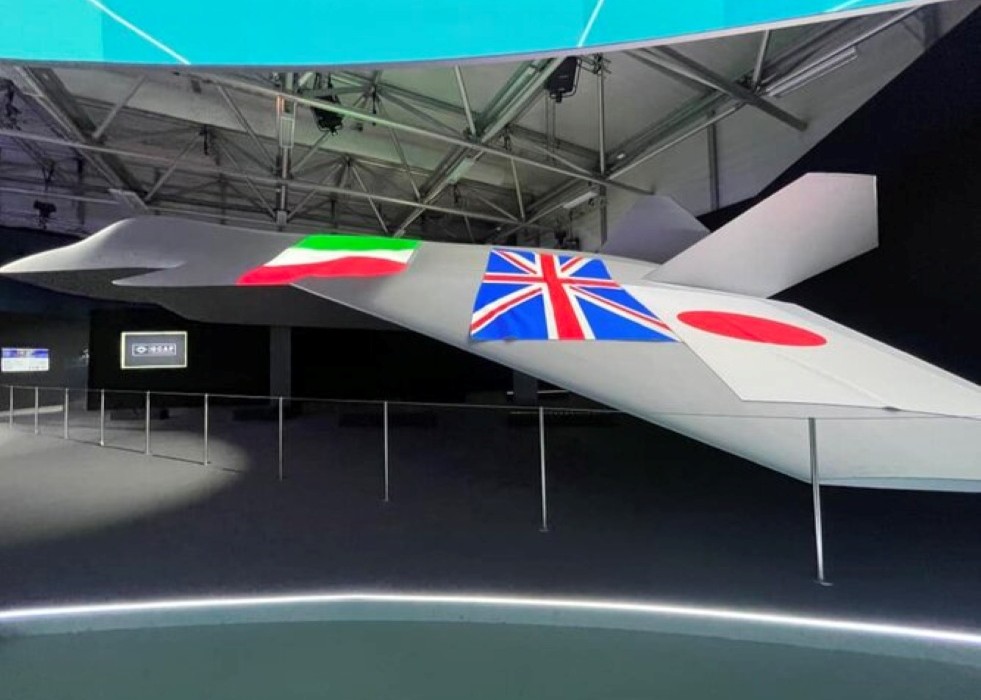
The broader strategic landscape has evolved significantly since FCAS was first conceived. When Germany and France aligned in 2017, Europe’s next-generation fighter effort appeared unified. That assumption no longer holds. The United Kingdom, Italy, and Japan have since consolidated their own sixth-generation programme under the Global Combat Air Programme (GCAP), creating a parallel industrial and technological pole.
GCAP’s multinational industrial framework spans both Europe and Asia. The United Kingdom’s combat aircraft design heritage, Italy’s established Eurofighter industrial base, and Japan’s advanced aerospace and electronics sector collectively provide a diversified technological foundation. Japan’s participation is particularly significant, bringing not only industrial depth but also a clearly defined operational requirement and timeline.
This evolving framework alters the strategic environment in subtle but consequential ways. While FCAS remains politically anchored in European strategic sovereignty, GCAP’s multinational structure distributes both technological risk and industrial momentum across a wider base. This diversification does not necessarily accelerate development timelines, but it enhances programme resilience by reducing dependence on a single bilateral industrial relationship. FCAS now operates within a competitive strategic landscape rather than the unified European framework envisioned at its inception.
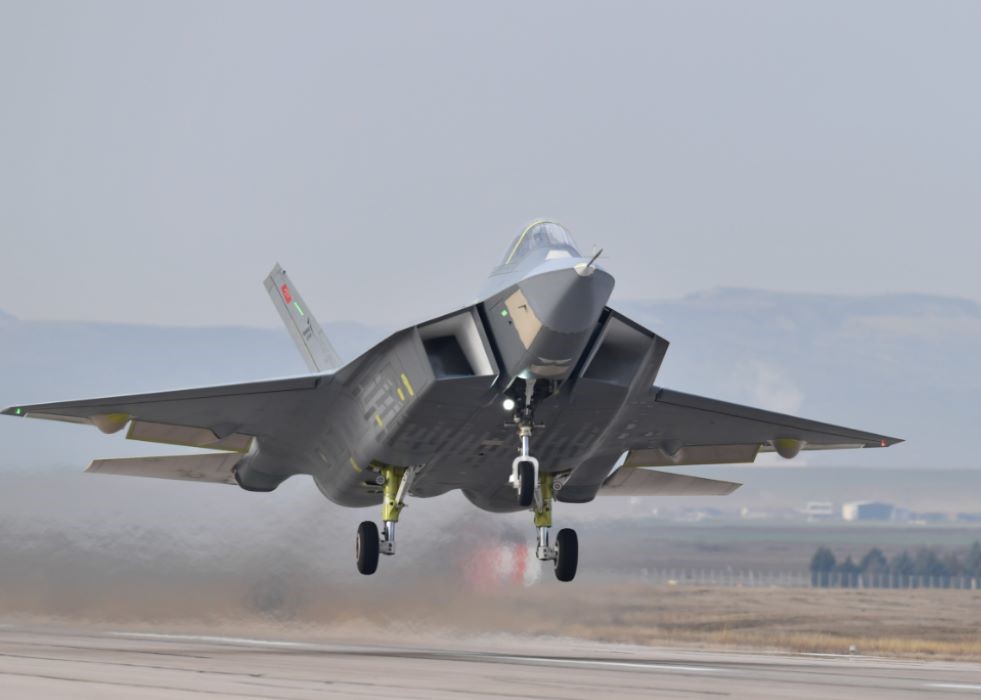
Comparative references increasingly align emerging fighter programmes such as Türkiye’s KAAN with GCAP rather than FCAS. This does not reflect a technical ranking, but an ecosystem perception. GCAP has emerged as the more externally expandable framework, while FCAS remains structurally concentrated among its founding partners.
This perception is reinforced by export and partnership dynamics in the broader Middle East. Despite Dassault’s successful Rafale sales to Egypt, Qatar, and the United Arab Emirates, Saudi Arabia—one of the region’s most influential air power operators—has never adopted the aircraft. Instead, Riyadh’s combat aviation ecosystem remains anchored in US and UK platforms, including the F-15 and Eurofighter Typhoon. Saudi Arabia’s engagement with emerging next-generation programmes, including reported interest in GCAP and exploratory attention toward Türkiye’s KAAN, reflects continuity with this existing industrial alignment. FCAS, by contrast, has not yet featured prominently in such external partnership considerations.
These shifting conditions inevitably influence perceptions in Berlin. Germany’s continued participation in FCAS reflects political commitment, but the emergence of alternative multinational fighter ecosystems reinforces the strategic importance of resolving FCAS’s internal structural tensions. The longer those tensions persist, the more the programme’s comparative position will be shaped not only by technological ambition, but by its ability to sustain industrial and political cohesion.
FCAS increasingly reflects not only a shared ambition, but also a negotiated equilibrium. Each crisis resolution has allowed the programme to continue, yet without fundamentally resolving the strategic asymmetries that produced the crisis. These structural contradictions do not guarantee programme failure. However, they ensure that FCAS will continue to evolve under political management as much as engineering discipline.
The programme’s future remains uncertain not because of a single disagreement, but because of the cumulative effect of unresolved structural tensions.
Europe’s defence industrial landscape is already fragmenting, with parallel fighter programmes emerging. As long as FCAS remains politically supported but structurally contested, its delays and uncertainties will continue to shape future capability decisions.
For Germany, France, and Europe, FCAS remains both a symbol of ambition and a test of strategic cohesion.
Enders’ remarks do not signal imminent collapse. But they underscore a reality that has become increasingly difficult to ignore. The crisis declared resolved in 2023 was never fully resolved. It was merely postponed.
The longer those underlying tensions persist, the greater the risk that FCAS will be defined not by its technological promise, but by the strategic contradictions at its core.
Author: Özgür Ekşi